
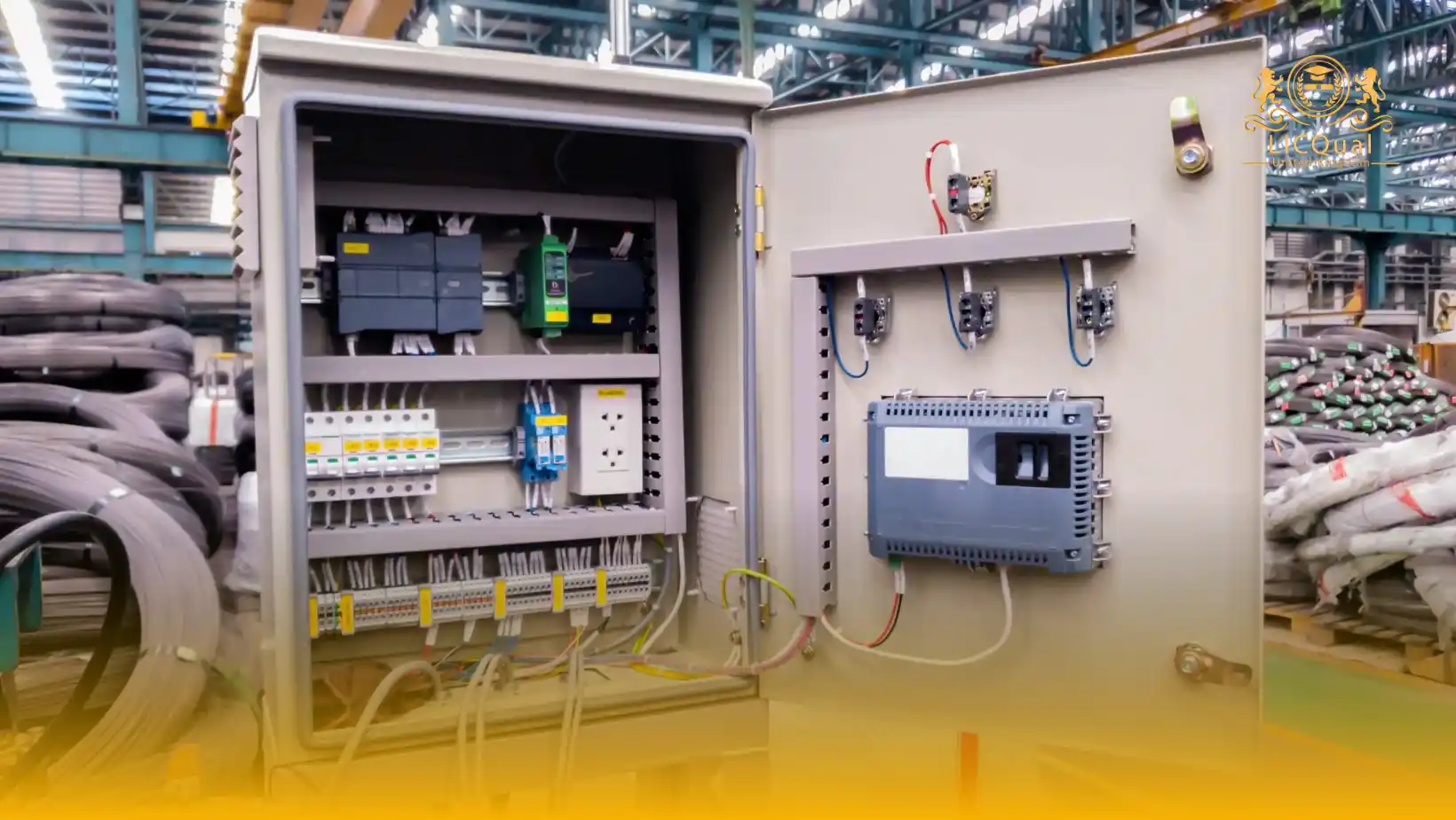
Quality Control and Quality Assurance in Electrical
The LICQual Level 3 Certificate in Quality Control and Quality Assurance (QA/QC) in Electrical is a practical, entry-level qualification designed to introduce the learner to essential quality control practices within electrical installation and engineering environments. This course provides a clear understanding of how quality standards are maintained across electrical systems, with a focus on electrical inspection and testing, basic fault identification, and compliance with recognised electrical standards.
As industries continue to prioritise safety and performance, this electrical quality control course equips learners with the fundamental skills required to support quality assurance in electrical systems. The programme introduces key concepts related to QA QC electrical engineering, including site inspection, routine testing procedures, and maintaining compliance with electrical regulations in real-world environments.
This certificate in quality control and quality assurance also develops the learner’s ability to carry out structured documentation, reporting, and basic quality checks commonly used in electrical QA/QC processes. By building awareness and technical understanding, the learner is prepared to contribute to safe, efficient, and compliant electrical operations. The course also supports progression towards advanced electrical QA QC certification and prepares learners for entry-level roles where maintaining quality, accuracy, and adherence to standards is essential.
Course Overview
Qualification Title
LICQual Level 3 Certificate in Quality Control and Quality Assurance (QA/QC) in Electrical
Total Units
6
Total Credits
24
GLH
120
Qualification #
LICQ2200141
Qualification Specification
To enroll in the LICQual Level 3 Certificate in Quality Control and Quality Assurance (QA/QC) in Electrical Engineering ,applicants must meet the following criteria:
|
Qualification# |
Unit Title |
Credits |
GLH |
|---|---|---|---|
|
LICQ2200141-1 |
Introduction to Quality Control and Quality Assurance in Electrical |
4 |
20 |
|
LICQ2200141-2 |
Electrical Codes, Standards, and Regulations |
4 |
20 |
|
LICQ2200141-3 |
Testing and Inspection Techniques in Electrical QA/QC |
4 |
20 |
|
LICQ2200141-4 |
Quality Control for Electrical Components and Systems |
4 |
20 |
|
LICQ2200141-5 |
Statistical Analysis and Data Interpretation in Electrical QA/QC |
4 |
20 |
|
LICQ2200141-6 |
Documentation and Reporting in Electrical Quality Assurance |
4 |
40 |
By the end of this course, learners will be able to:
Introduction to Quality Control and Quality Assurance in Electrical
- Understand the core principles and concepts of Quality Control (QC) and Quality Assurance (QA) as applied in the electrical engineering field.
- Recognize the role of QA/QC in improving product quality, safety, and compliance in electrical systems and components.
- Develop an understanding of the difference between QA and QC and how they contribute to electrical product quality throughout the production process.
Electrical Codes, Standards, and Regulations
- Demonstrate knowledge of key electrical codes, industry standards, and regulations that govern electrical systems and products.
- Understand the importance of compliance with international, regional, and local standards such as ISO, IEC, and national electrical regulations.
- Apply knowledge of electrical codes and standards in real-world QA/QC processes, ensuring products meet legal and safety requirements.
Knowledge Providing Task
Testing and Inspection Techniques in Electrical QA/QC
- Master various electrical testing and inspection techniques used to assess the quality and functionality of electrical components and systems.
- Develop proficiency in using testing tools and equipment to identify defects, ensure performance, and verify compliance with specifications.
- Learn how to interpret and document test results to support quality assurance decisions and corrective actions.
Quality Control for Electrical Components and Systems
- Apply Quality Control practices to monitor and control the quality of electrical components, systems, and assemblies.
- Implement quality checks and inspections at different stages of production to prevent defects and ensure reliability and safety.
- Learn to develop and execute quality control plans, including sampling, monitoring, and corrective actions for electrical products.
Statistical Analysis and Data Interpretation in Electrical QA/QC
- Understand the role of statistical analysis in QA/QC and how to apply statistical tools to monitor and improve electrical product quality.
- Develop the ability to interpret data collected from inspections and tests to identify trends, outliers, and areas for improvement.
- Use data-driven approaches to enhance the efficiency and effectiveness of quality assurance processes in electrical engineering.
Documentation and Reporting in Electrical Quality Assurance
- Learn the best practices for documenting quality assurance processes, inspections, and test results in compliance with industry standards.
- Understand the importance of maintaining accurate records and reports for audits, compliance verification, and continual improvement efforts.
- Develop the skills to create clear, concise, and effective QA/QC reports that communicate findings, corrective actions, and compliance status to stakeholders.
This course is suitable for individuals who want to build a basic understanding of electrical quality control and assurance, particularly in environments where safety, accuracy, and compliance are essential.
Assessment and Verification
All units within this qualification are subject to internal assessment by the approved centre and external verification by LICQual. The qualification follows a criterion-referenced assessment approach, ensuring that learners meet all specified learning outcomes.
To achieve a ‘Pass’ in any unit, learners must provide valid, sufficient, and authentic evidence demonstrating their attainment of all learning outcomes and compliance with the prescribed assessment criteria. The Assessor is responsible for evaluating the evidence and determining whether the learner has successfully met the required standards.
Assessors must maintain a clear and comprehensive audit trail, documenting the basis for their assessment decisions to ensure transparency, consistency, and compliance with quality assurance requirements.