
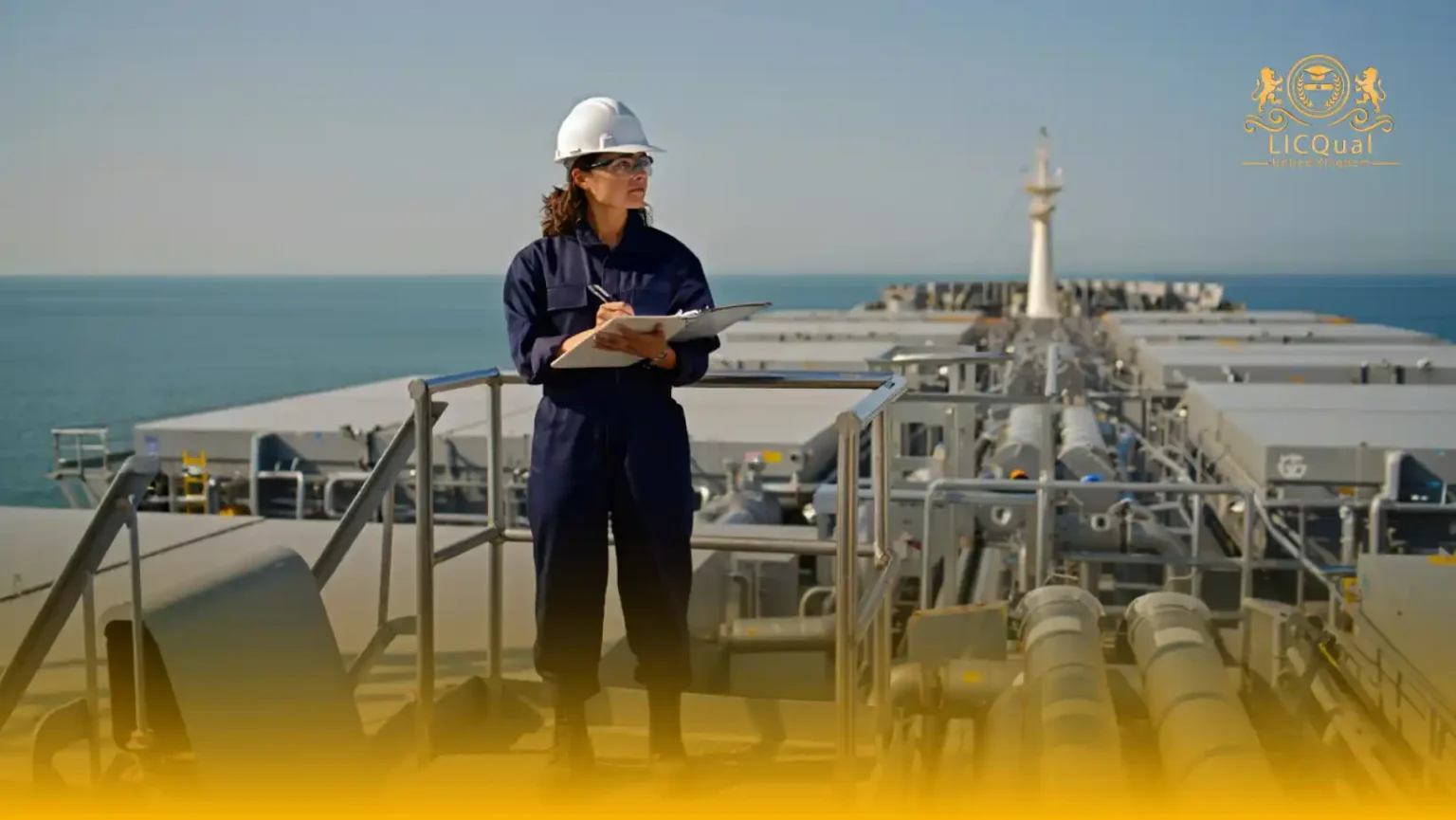
The LICQual UK Level 6 Diploma in Ship Superintendency is a globally recognized qualification designed for professionals, beginners, and career changers looking to advance their expertise in ship management and maritime operations. This advanced diploma provides in-depth knowledge and hands-on understanding of the critical aspects of ship superintendency, including vessel maintenance, marine engineering, safety compliance, crew management, and technical operations.
As the shipping industry continues to evolve, the demand for qualified ship superintendents with advanced management and operational skills is growing rapidly. The LICQual UK Level 6 Diploma in Ship Superintendency bridges the gap between technical proficiency and managerial competence, preparing learners to oversee complex maritime operations efficiently. Whether you are currently working in the maritime sector or seeking to shift your career toward ship management, this program offers a solid foundation for global opportunities.
Throughout the course, learners gain a thorough understanding of ship maintenance procedures, port operations, safety audits, and regulatory compliance. The diploma also emphasizes environmental awareness, cost management, and communication—key skills for ensuring that ships operate smoothly, safely, and in accordance with international maritime laws.
The LICQual UK Level 6 Diploma in Ship Superintendency combines theoretical learning with practical insights, helping participants build confidence and technical excellence. This qualification is ideal for professionals in ship management, technical superintendents, marine engineers, and anyone aspiring to work in senior maritime positions.
By earning this advanced ship superintendency diploma, you’ll position yourself as a knowledgeable and competent maritime professional capable of managing vessel operations and ensuring compliance with global shipping standards. This UK-accredited qualification not only enhances your career prospects but also opens pathways to international roles in ship management, offshore operations, and marine supervision.
Course Overview
Qualification Title
LICQual UK Level 6 Diploma in Ship Superintendency
Total Units
6
Total Credits
120
GLH
480
Qualification #
LICQ2201304
Qualification Specification
To enroll in the LICQual UK Level 6 Diploma in Ship Superintendency, applicants must meet the following criteria:
|
Qualification# |
Unit Title |
Credits |
GLH |
|---|---|---|---|
|
LICQ2201304-1 |
Advanced Ship Superintendency |
20 |
80 |
|
LICQ2201304-2 |
Technical Ship Operations and Asset Management |
20 |
80 |
|
LICQ2201304-3 |
Maritime Safety Leadership and Risk Management |
20 |
80 |
|
LICQ2201304-4 |
Financial and Commercial Aspects of Ship Superintendency |
20 |
80 |
|
LICQ2201304-5 |
Global Maritime Regulations and Compliance |
20 |
80 |
|
LICQ2201304-6 |
Research and Innovation in Ship Superintendency |
20 |
80 |
By the end of this course, learners will be able to:
1. Advanced Ship Superintendency
By the end of this unit, learners will be able to:
- Evaluate the strategic role of ship superintendents in global fleet management.
- Apply advanced leadership skills to oversee technical and operational teams.
- Integrate international conventions into superintendent responsibilities.
- Analyze complex operational challenges and recommend effective solutions.
- Demonstrate decision-making skills in high-pressure maritime environments.
- Lead initiatives that improve efficiency, safety, and compliance across fleets.
2. Technical Ship Operations and Asset Management
By the end of this unit, learners will be able to:
- Plan and manage advanced ship maintenance, dry-docking, and repair projects.
- Apply asset lifecycle management principles to optimize vessel performance.
- Evaluate technical reports and data to improve operational decision-making.
- Demonstrate knowledge of advanced engineering and shipboard systems.
- Recommend cost-effective strategies for long-term asset sustainability.
- Integrate technical operations with commercial and compliance requirements.
3. Maritime Safety Leadership and Risk Management
By the end of this unit, learners will be able to:
- Lead safety initiatives in compliance with IMO, ISM Code, SOLAS, and MARPOL.
- Conduct advanced risk assessments and implement mitigation strategies.
- Manage emergency response systems and crisis communication effectively.
- Promote a proactive safety culture across shipboard and shore-based teams.
- Evaluate international safety leadership models in maritime operations.
- Recommend improvements to enhance compliance and reduce safety risks.
4. Financial and Commercial Aspects of Ship Superintendency
By the end of this unit, learners will be able to:
- Demonstrate knowledge of budgeting, cost control, and financial planning.
- Apply procurement and contract management principles in ship operations.
- Evaluate commercial risks and opportunities in global shipping markets.
- Recommend strategies to optimize operational costs and profitability.
- Integrate financial decision-making with technical and compliance priorities.
- Analyze the impact of commercial strategies on fleet performance.
5. Global Maritime Regulations and Compliance
By the end of this unit, learners will be able to:
- Demonstrate advanced knowledge of IMO conventions, ISM Code, SOLAS, and MARPOL.
- Apply international maritime labour laws, including MLC 2006, to operations.
- Evaluate compliance frameworks for global shipping organizations.
- Recommend improvements to ensure fair treatment and welfare of seafarers.
- Analyze the impact of global regulations on ship operations and management.
- Integrate compliance strategies into advanced superintendency practices.
6. Research and Innovation in Ship Superintendency
By the end of this unit, learners will be able to:
- Conduct independent research on advanced ship superintendency practices.
- Apply research methodologies to technical, safety, and compliance challenges.
- Evaluate innovative technologies shaping the future of ship management.
- Demonstrate critical thinking and problem-solving in maritime research.
- Present research findings in line with international academic standards.
- Recommend innovative practices to improve global ship superintendency.
The LICQual UK Level 6 Diploma in Ship Superintendency is designed for experienced maritime professionals who want to progress into senior leadership, technical management, and compliance roles. This UK-accredited qualification is ideal for those aiming to specialize in advanced ship operations, asset management, maritime safety, and global regulations. Whether you are preparing for superintendent leadership, commercial decision-making, or research-driven innovation, this diploma provides the expertise to succeed in international shipping.
1. Senior Maritime Professionals
- Professionals aiming to move into advanced ship superintendency and leadership roles.
- Individuals seeking a UK-accredited Level 6 qualification for career progression.
- Experienced staff looking to formalize their expertise with global recognition.
- Candidates preparing for senior responsibilities in fleet operations and compliance.
- Professionals targeting higher-level positions in international shipping companies.
2. Technical and Engineering Managers
- Marine engineers transitioning into superintendent or fleet management roles.
- Professionals responsible for dry-docking, repair, and technical operations.
- Individuals aiming to specialize in asset lifecycle and performance management.
- Candidates preparing for roles in technical supervision and ship operations.
- Workers seeking advanced knowledge of engineering and maintenance planning.
3. Maritime Safety and Risk Leaders
- Safety officers preparing for advanced leadership in maritime safety.
- Professionals aiming to manage risk assessment and compliance at fleet level.
- Individuals responsible for implementing IMO, ISM Code, SOLAS, and MARPOL.
- Candidates seeking to strengthen crisis management and emergency response skills.
- Workers committed to promoting a strong safety culture in global shipping.
4. Financial and Commercial Decision-Makers
- Professionals managing budgets, procurement, and commercial operations.
- Individuals aiming to integrate financial planning with ship operations.
- Candidates preparing for roles in cost control and profitability management.
- Workers seeking advanced skills in maritime procurement and contracts.
- Managers looking to align commercial strategies with compliance and efficiency.
5. Compliance and Regulatory Specialists
- Professionals specializing in international maritime law and compliance.
- Individuals aiming to master MLC 2006, SOLAS, ISM Code, and MARPOL frameworks.
- Candidates preparing for roles in audits, inspections, and compliance reporting.
- Workers seeking to ensure global regulatory alignment in shipping operations.
- Staff looking to strengthen knowledge of international maritime conventions.
6. Research and Innovation-Oriented Professionals
- Learners interested in driving innovation in ship superintendency practices.
- Professionals aiming to contribute to maritime research and development.
- Candidates preparing for roles in digitalization and sustainable shipping.
- Individuals seeking to apply research methodologies to maritime challenges.
- Workers looking to influence the future of global ship management.
7. International Maritime Workforce
- Professionals worldwide seeking a UK-accredited Level 6 ship superintendency diploma.
- Learners aiming for global career opportunities in shipping and logistics.
- Candidates preparing for senior maritime roles in Europe, Asia, or the Middle East.
- Workers seeking qualifications aligned with international compliance standards.
- Individuals looking for a diploma recognized across global shipping markets.
Assessment and Verification
All units within this qualification are subject to internal assessment by the approved centre and external verification by LICQual. The qualification follows a criterion-referenced assessment approach, ensuring that learners meet all specified learning outcomes.
To achieve a ‘Pass’ in any unit, learners must provide valid, sufficient, and authentic evidence demonstrating their attainment of all learning outcomes and compliance with the prescribed assessment criteria. The Assessor is responsible for evaluating the evidence and determining whether the learner has successfully met the required standards.
Assessors must maintain a clear and comprehensive audit trail, documenting the basis for their assessment decisions to ensure transparency, consistency, and compliance with quality assurance requirements.