
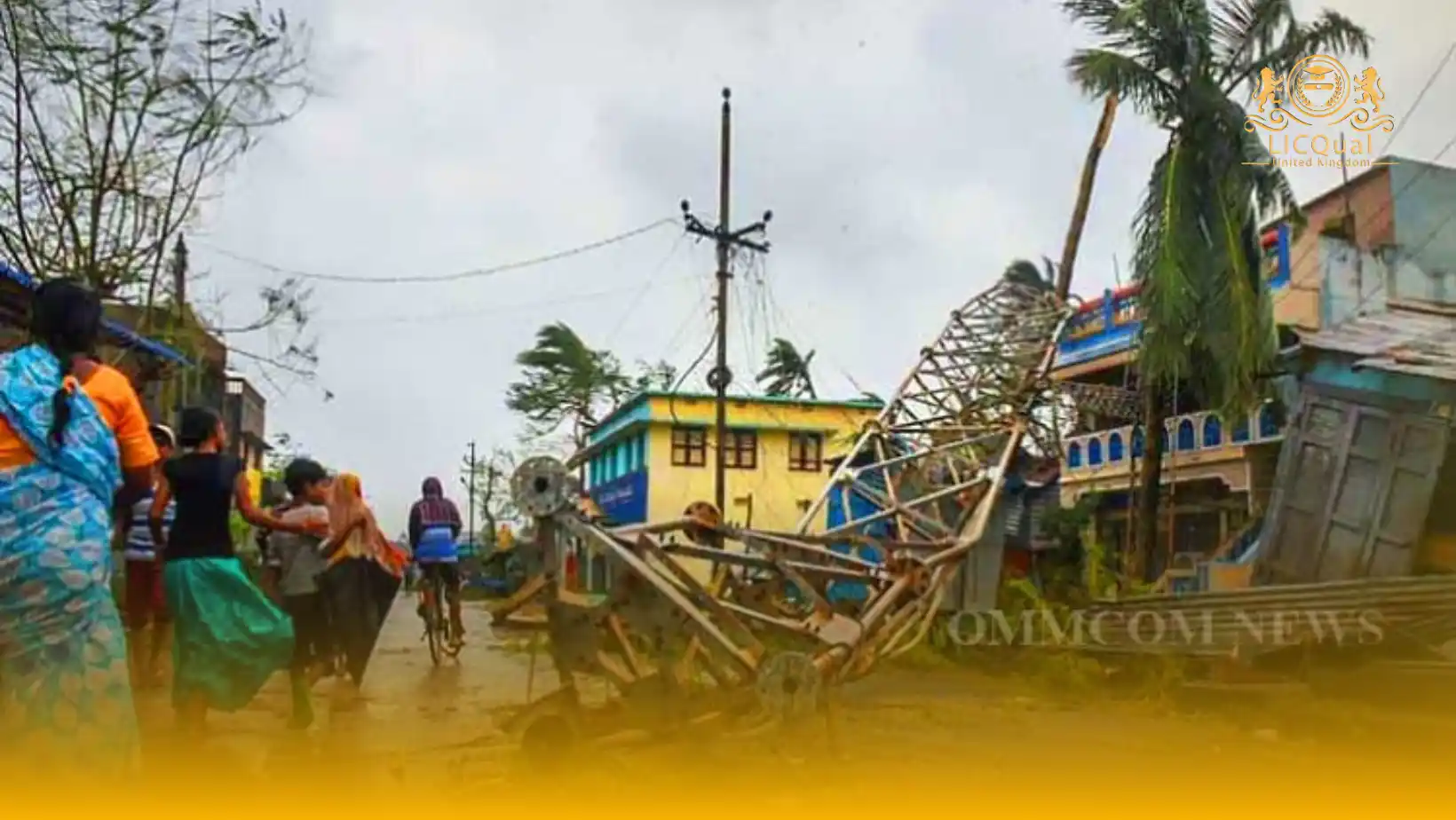
Disaster Management
The LICQual Level 7 International Diploma in Disaster Management is an advanced qualification designed for the learner aiming to lead complex disaster management initiatives at a global level. This prestigious programme equips the learner with in-depth strategic knowledge, advanced analytical capability, and high-level leadership skills required to address the multifaceted challenges of disaster preparedness, response, and recovery.
With a strong emphasis on advanced risk assessment, sustainable recovery frameworks, and international coordination, the diploma enables the learner to make informed decisions during large-scale emergencies and long-term resilience planning. The curriculum provides the learner with comprehensive exposure to disaster risk reduction, crisis leadership, humanitarian coordination, and global policy alignment.
Throughout the programme, the learner develops the expertise to manage international disaster operations, coordinate multi-agency responses, and strengthen community resilience across diverse contexts. The LICQual Level 7 International Diploma in Disaster Management empowers the learner to influence global disaster management policy, lead international relief efforts, and contribute strategically to sustainable disaster resilience worldwide.
Course Overview
Qualification Title
LICQual Level 7 International Diploma in Disaster Management
Total Units
6
Total Credits
120
GLH
600
Qualification #
LICQ2200010
Qualification Specification
To enroll in the LICQual Level 7 International Diploma in Disaster Management, applicants must meet the following criteria:
|
Qualification# |
Unit Title |
Credits |
GLH |
|---|---|---|---|
|
LICQ2200010-1 |
Principles of disaster management |
20 |
100 |
|
LICQ2200010-2 |
Confronting the Challenges of Disaster Risk Reduction and Development |
20 |
100 |
|
LICQ2200010-3 |
Disaster Resilience, Adaptation and Sustainability |
20 |
100 |
|
LICQ2200010-4 |
Vulnerability and Risk Assessment |
20 |
100 |
|
LICQ2200010-5 |
Advanced Research Methodology- Dissertation |
20 |
100 |
|
LICQ2200010-6 |
Participants – Governmental Disaster Management Agencies |
20 |
100 |
By the end of this course, learners will be able to:
1. Principles of Disaster Management
- Understand and apply core principles of disaster management, including risk assessment, preparedness, response, recovery, and mitigation.
- Analyze global disaster management frameworks and their relevance to national and local disaster policies and practices.
- Develop comprehensive disaster management strategies based on an understanding of disaster cycles and principles.
2. Confronting the Challenges of Disaster Risk Reduction and Development
- Identify and critically assess the challenges associated with disaster risk reduction (DRR) and sustainable development.
- Develop strategies to integrate DRR into development planning, addressing vulnerabilities and improving community resilience.
- Evaluate the impact of development practices on disaster risk and implement policies that reduce exposure to hazards.
3. Disaster Resilience, Adaptation and Sustainability
- Examine the concepts of disaster resilience and adaptation, and their application in vulnerable communities.
- Design and implement strategies that enhance the sustainability of disaster recovery efforts and long-term resilience building.
- Understand the relationship between environmental sustainability and disaster risk management, promoting eco-friendly recovery approaches.
4. Vulnerability and Risk Assessment
- Conduct advanced vulnerability and risk assessments, considering both physical and socio-economic factors.
- Develop frameworks to assess the potential impacts of disasters on communities, infrastructure, and ecosystems.
- Use risk analysis tools to identify key areas of vulnerability and develop targeted interventions to reduce risk.
5. Advanced Research Methodology – Dissertation
- Gain proficiency in advanced research methodologies relevant to disaster management and risk reduction.
- Conduct independent research for the dissertation project, contributing new knowledge or solutions to the field of disaster management.
- Analyze data, critically evaluate existing literature, and present findings effectively in an academic or professional context.
6. Participants – Governmental Disaster Management Agencies
- Understand the roles and responsibilities of governmental disaster management agencies at local, national, and international levels.
- Develop strategies for improving coordination, communication, and cooperation between government agencies and other stakeholders during disaster response.
- Assess the effectiveness of governmental agencies in disaster preparedness, response, and recovery, recommending improvements for better management of disaster risks.
This diploma is ideal for:
Assessment and Verification
All units within this qualification are subject to internal assessment by the approved centre and external verification by LICQual. The qualification follows a criterion-referenced assessment approach, ensuring that learners meet all specified learning outcomes.
To achieve a ‘Pass’ in any unit, learners must provide valid, sufficient, and authentic evidence demonstrating their attainment of all learning outcomes and compliance with the prescribed assessment criteria. The Assessor is responsible for evaluating the evidence and determining whether the learner has successfully met the required standards.
Assessors must maintain a clear and comprehensive audit trail, documenting the basis for their assessment decisions to ensure transparency, consistency, and compliance with quality assurance requirements.