
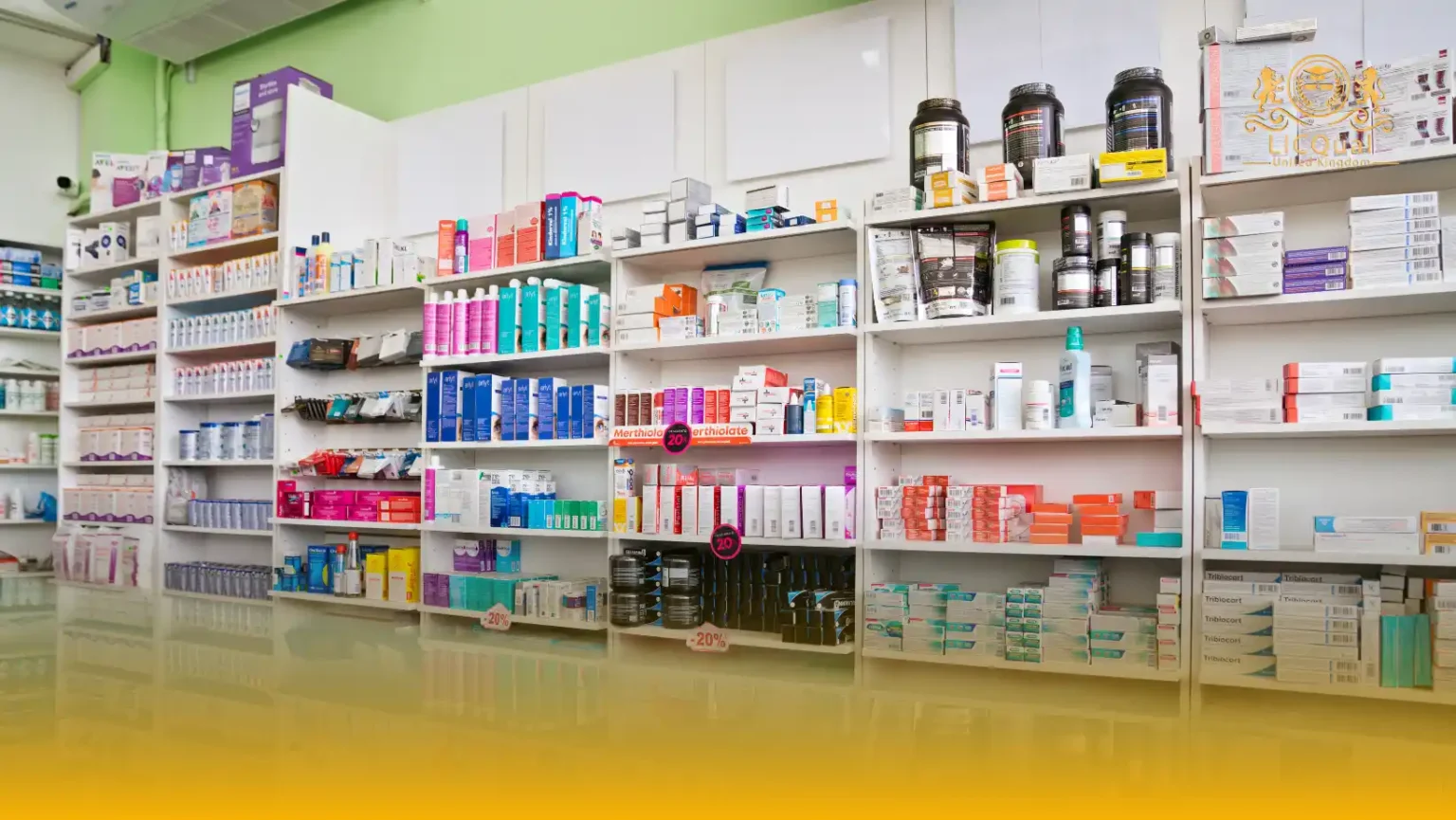
Pharmacy education and practice in developing countries face unique challenges, from limited resources to evolving healthcare systems. The LICQual Level 6 Diploma in Pharmacy in Developing Countries (D Pharmacy in Developing Countries) is an internationally recognized qualification designed to empower professionals with the skills, knowledge, and global accreditation needed to address these challenges effectively.
Unlike general pharmacy programs, this diploma focuses on the realities of pharmacy practice in developing nations. With the D Pharmacy in Developing Countries Diploma, you will gain expertise in healthcare delivery models, essential medicine management, public health strategies, and pharmaceutical supply chain systems. This qualification ensures that pharmacists, healthcare professionals, and policy makers can confidently contribute to strengthening pharmacy services where they are needed most.
The Pharmacy in Developing Countries Qualification Level 6 stands out because it blends academic knowledge with practical, real‑world applications. You will explore advanced pharmacy training modules tailored to developing nations, engage with case studies, and learn how to design sustainable healthcare solutions. Whether your goal is career progression, international recognition, or specialized skills, this diploma opens doors to opportunities across hospitals, NGOs, government agencies, and global healthcare organizations.
The International Diploma in Pharmacy in Developing Countries is flexible, career‑focused, and accredited, ensuring your qualification is valued worldwide. It is not just a course—it is a professional milestone that strengthens your role in healthcare and empowers you to contribute meaningfully to pharmacy innovation, patient safety, and public health in resource‑limited settings.
By enrolling in the LICQual Level 6 Diploma in Pharmacy in Developing Countries, you are investing in a future where your expertise directly impacts healthcare accessibility, pharmaceutical development, and international healthcare practices. With its comprehensive curriculum, supportive learning environment, and worldwide accreditation, this diploma is the perfect choice for professionals ready to take the next step in pharmacy leadership across developing nations.
Course Overview
Qualification Title
LICQual Level 6 Diploma in Pharmacy in Developing Countries (D Pharmacy in Developing Countries)
Total Units
6
Total Credits
120
GLH
480
Qualification #
LICQ2201221
Qualification Specification
To enroll in the LICQual Level 6 Diploma in Pharmacy in Developing Countries (D Pharmacy in Developing Countries), applicants must meet the following criteria:
|
Qualification# |
Unit Title |
Credits |
GLH |
|---|---|---|---|
|
LICQ2201221-1 |
Healthcare Systems in Developing Countries |
20 |
80 |
|
LICQ2201221-2 |
Pharmaceutical Supply Chain and Resource Management |
20 |
80 |
|
LICQ2201221-3 |
Regulatory Frameworks and Quality Assurance |
20 |
80 |
|
LICQ2201221-4 |
Public Health and Community Pharmacy Practice |
20 |
80 |
|
LICQ2201221-5 |
Pharmacy Innovation and Technology in Low-Resource Settings |
20 |
80 |
|
LICQ2201221-6 |
Research, Professional Development, and CPD |
20 |
80 |
By the end of this course, learners will be able to:
Unit 1: Healthcare Systems in Developing Countries
By the end of this unit, learners will be able to:
- Analyse healthcare infrastructure, policies, and service delivery models in developing countries
- Evaluate the impact of socio-economic and cultural factors on access to pharmaceutical services
- Identify challenges and opportunities for pharmacy practice within resource-limited healthcare systems
Unit 2: Pharmaceutical Supply Chain and Resource Management
By the end of this unit, learners will be able to:
- Implement effective strategies for procurement, storage, and distribution of medicines
- Optimise supply chain processes to ensure availability and affordability of essential medicines
- Evaluate resource management practices to improve operational efficiency in pharmacy services
Unit 3: Regulatory Frameworks and Quality Assurance
By the end of this unit, learners will be able to:
- Apply local and international regulatory requirements to pharmacy practice in developing countries
- Implement quality assurance and control measures to maintain safety and efficacy of medicines
- Ensure ethical compliance and adherence to professional standards in pharmaceutical provision
Unit 4: Public Health and Community Pharmacy Practice
By the end of this unit, learners will be able to:
- Develop strategies to promote healthcare education, disease prevention, and community health awareness
- Evaluate the role of pharmacists in supporting public health initiatives and improving patient outcomes
- Address specific public health challenges prevalent in developing countries through pharmacy practice
Unit 5: Pharmacy Innovation and Technology in Low-Resource Settings
By the end of this unit, learners will be able to:
- Apply innovative and technological solutions to improve pharmacy operations and service delivery
- Utilise digital platforms, mobile health solutions, and data management systems effectively
- Enhance patient care and operational efficiency through technology-enabled pharmacy practices
Unit 6: Research, Professional Development, and CPD
By the end of this unit, learners will be able to:
- Conduct research to support evidence-based improvements in pharmacy practice and healthcare outcomes
- Develop leadership, analytical, and strategic skills for effective pharmacy management in developing countries
- Engage in Continuing Professional Development (CPD) to maintain and advance professional expertise
The LICQual Level 6 Diploma in Pharmacy in Developing Countries (D Pharmacy in Developing Countries) is designed for professionals who want to make a meaningful impact in healthcare systems across resource‑limited regions. This internationally recognized qualification is ideal for pharmacists, healthcare managers, policy makers, and graduates seeking global accreditation, career advancement, and specialized skills in pharmacy practice tailored to developing nations. Whether your goal is to strengthen healthcare delivery, contribute to public health, or pursue international opportunities, this diploma provides the perfect pathway.
1. Practicing Pharmacists
- Looking to expand expertise into pharmacy practice in developing countries
- Interested in gaining international accreditation and recognition in global healthcare systems
- Seeking advanced knowledge in essential medicine management and pharmaceutical supply chains
- Wanting to explore career opportunities in hospitals, NGOs, and healthcare organizations
- Focused on improving patient safety and access to medicines in resource‑limited settings
2. Hospital and Clinical Pharmacists
- Managing patients in healthcare systems with limited resources
- Seeking structured pharmacy training with practical applications for developing nations
- Interested in evidence‑based pharmaceutical practices adapted to local challenges
- Looking to enhance collaboration with physicians, nurses, and healthcare teams
- Aiming to strengthen their role in multidisciplinary healthcare delivery
3. Healthcare Managers and Administrators
- Working in healthcare administration, NGOs, or managed care organizations
- Interested in pharmacy in developing countries diploma online for career advancement
- Seeking specialized knowledge in healthcare policy, compliance, and organizational leadership
- Looking to improve efficiency and patient outcomes in developing healthcare systems
- Focused on bridging management, pharmacy practice, and public health
4. Academic and Research Professionals
- Teaching or publishing in pharmacy education and healthcare in developing countries
- Seeking advanced pharmacy certification programs with global relevance
- Interested in contributing to evidence‑based healthcare frameworks and innovation
- Looking to strengthen academic credentials with a Level 6 qualification
- Focused on advancing research methodologies in pharmacy and public health
5. International Students and Graduates
- Seeking globally accredited pharmacy diploma programs focused on developing countries
- Interested in flexible, career‑focused pharmacy education pathways
- Looking to qualify for international healthcare and academic opportunities
- Wanting to enhance employability with recognized pharmacy certification
- Focused on building a career in pharmacy practice worldwide
6. Policy Makers and Regulatory Professionals
- Working in healthcare policy, regulation, or government agencies
- Interested in pharmacy in developing countries education pathways for career growth
- Seeking specialized knowledge in healthcare compliance and patient safety standards
- Looking to improve alignment with international healthcare regulations
- Focused on shaping healthcare systems through pharmacy leadership
7. Career‑Focused Science and Pharmacy Graduates
- Recent graduates aiming to specialize in pharmacy practice in developing countries
- Looking for structured pharmacy career qualifications with global accreditation
- Interested in pharmacy diploma programs tailored to international healthcare needs
- Seeking advanced training for professional growth in healthcare innovation
- Focused on building a strong foundation in pharmacy and public health
Centres delivering the LICQual Level 6 Diploma in Pharmacy in Developing Countries must maintain the highest standards to ensure learners receive a high-quality, professional, and engaging learning experience. Compliance with these requirements guarantees that learners develop the advanced knowledge, practical skills, and professional competencies necessary to succeed in global pharmacy practice.
- Qualified and Experienced Staff – Tutors, trainers, and assessors must possess relevant academic qualifications and professional experience in pharmacy, global health, public health, or healthcare management. Staff should actively participate in Continuing Professional Development (CPD) to remain up-to-date with global pharmacy practices and resource-limited healthcare strategies.
- Access to Learning Resources – Centres must provide learners with up-to-date study materials, digital platforms, case studies, and practical resources to support both theoretical and applied learning.
- Specialized Facilities and Technology – Centres should maintain computer labs, data analysis software, simulation environments, and other technology required for practical exercises and research activities in pharmacy practice.
- Robust Quality Assurance Systems – Centres must implement internal quality assurance processes, including learner progress monitoring, assessment verification, and compliance with LICQual standards.
- Comprehensive Learner Support – Learners should have access to academic guidance, mentoring, and professional support to enhance their knowledge, practical skills, and CPD outcomes.
- Commitment to Educational Excellence – Centres must uphold high standards of teaching, assessment, and learner engagement to ensure learners develop the skills, knowledge, and professional competencies required to address pharmacy challenges in developing countries.
By meeting these requirements, centres provide a world-class learning environment, equipping learners to become highly skilled professionals capable of improving pharmacy practice, healthcare delivery, and public health outcomes in developing countries.
Assessment and Verification
All units within this qualification are subject to internal assessment by the approved centre and external verification by LICQual. The qualification follows a criterion-referenced assessment approach, ensuring that learners meet all specified learning outcomes.
To achieve a ‘Pass’ in any unit, learners must provide valid, sufficient, and authentic evidence demonstrating their attainment of all learning outcomes and compliance with the prescribed assessment criteria. The Assessor is responsible for evaluating the evidence and determining whether the learner has successfully met the required standards.
Assessors must maintain a clear and comprehensive audit trail, documenting the basis for their assessment decisions to ensure transparency, consistency, and compliance with quality assurance requirements.