
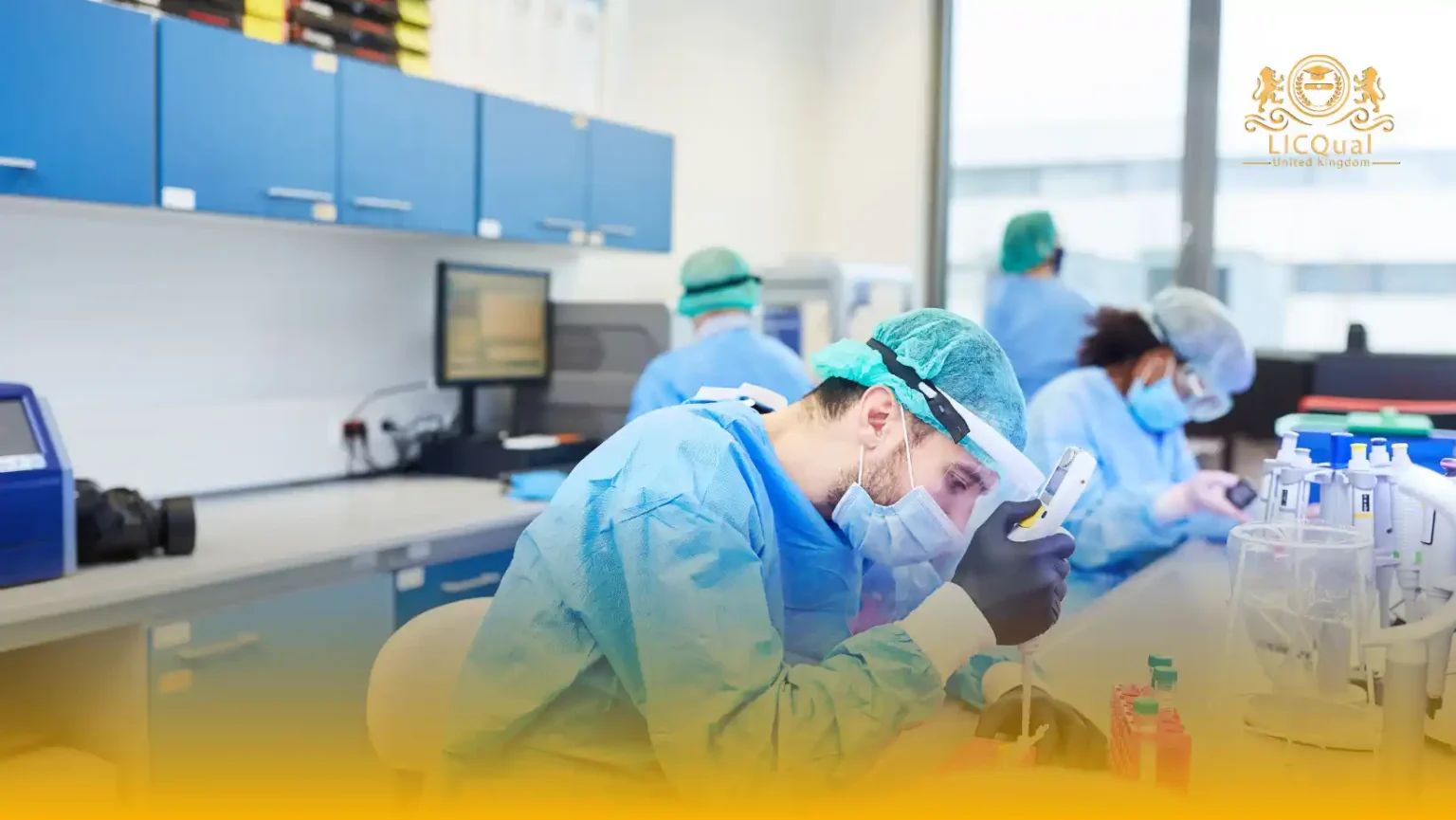
Pharmaceutical sciences are the backbone of modern medicine, driving innovation in drug discovery, formulation, and patient care. The LICQual Level 6 Diploma in Pharmaceutical Sciences (D Pharmaceutical Sciences) is a prestigious, internationally accredited qualification designed for professionals and students who want to advance their expertise in pharmaceutical research, development, and quality assurance.
This Diploma in Pharmaceutical Sciences provides a structured pathway to mastering advanced concepts in pharmacology, pharmaceutics, biotechnology, and regulatory compliance. You will explore how pharmaceutical sciences contribute to safer medicines, innovative drug delivery systems, and evidence‑based healthcare solutions. Unlike short training programs, the Pharmaceutical Sciences Level 6 Course offers in‑depth knowledge, practical applications, and global recognition, making it ideal for pharmacists, researchers, and healthcare professionals aiming to elevate their careers.
Delivered through flexible online study, the Pharmaceutical Sciences Diploma Online allows you to balance your learning with work and personal commitments. Each module is designed to be approachable and engaging, covering advanced pharmaceutical technology, clinical applications, drug safety, and healthcare policy. By completing this D Pharmaceutical Sciences Qualification, you will gain the confidence to apply pharmaceutical science principles in hospitals, laboratories, research centers, and healthcare organizations worldwide.
What makes this program stand out is its career‑ready design and international accreditation. Whether you are seeking an accredited diploma in pharmaceutical sciences, aiming to expand your professional skills, or passionate about advancing healthcare innovation, this course equips you with the knowledge and credibility to succeed.
Course Overview
Qualification Title
LICQual Level 6 Diploma in Pharmaceutical Sciences (D Pharmaceutical Sciences)
Total Units
6
Total Credits
120
GLH
480
Qualification #
LICQ2201191
Qualification Specification
To enroll in the LICQual Level 6 Diploma in Pharmaceutical Sciences (D Pharmaceutical Sciences) , applicants must meet the following criteria:
|
Qualification# |
Unit Title |
Credits |
GLH |
|---|---|---|---|
|
LICQ2201191-1 |
Advanced Pharmaceutical Chemistry |
20 |
80 |
|
LICQ2201191-2 |
Pharmacology and Therapeutics |
20 |
80 |
|
LICQ2201191-3 |
Pharmaceutical Formulation and Drug Delivery |
20 |
80 |
|
LICQ2201191-4 |
Regulatory Affairs and Quality Assurance |
20 |
80 |
|
LICQ2201191-5 |
Clinical Research and Pharmacovigilance |
20 |
80 |
|
LICQ2201191-6 |
Advanced Pharmaceutical Project |
20 |
80 |
By the end of this course, learners will be able to:
Unit 1: Advanced Pharmaceutical Chemistry
By the end of this unit, learners will be able to:
- Analyse organic, inorganic, and medicinal chemistry principles in pharmaceutical applications
- Evaluate chemical reactions and mechanisms relevant to drug design and synthesis
- Apply analytical techniques to solve complex problems in drug development
- Critically assess the stability and formulation of chemical compounds for pharmaceutical use
Unit 2: Pharmacology and Therapeutics
By the end of this unit, learners will be able to:
- Explain pharmacokinetics and pharmacodynamics and their impact on drug efficacy and safety
- Analyse mechanisms of action and therapeutic applications of drugs
- Evaluate modern treatment strategies and personalised medicine approaches
- Apply pharmacological knowledge to support clinical decision-making and patient care
Unit 3: Pharmaceutical Formulation and Drug Delivery
By the end of this unit, learners will be able to:
- Demonstrate understanding of advanced drug delivery systems, including controlled-release and targeted therapies
- Analyse factors affecting drug absorption, distribution, metabolism, and excretion
- Formulate pharmaceutical preparations according to scientific and regulatory guidelines
- Critically evaluate innovative delivery technologies such as nanotechnology-based systems
Unit 4: Regulatory Affairs and Quality Assurance
By the end of this unit, learners will be able to:
- Interpret national and international pharmaceutical regulations, including GMP and ISO standards
- Develop quality management strategies for pharmaceutical production
- Assess compliance and risk management processes in pharmaceutical environments
- Apply regulatory knowledge to ensure safe and effective pharmaceutical practices
Unit 5: Clinical Research and Pharmacovigilance
By the end of this unit, learners will be able to:
- Design and evaluate clinical trials following ethical and regulatory requirements
- Analyse clinical data for safety, efficacy, and reliability
- Implement pharmacovigilance processes to monitor adverse drug reactions
- Apply evidence-based methods to improve drug development and patient outcomes
Unit 6: Advanced Pharmaceutical Project
By the end of this unit, learners will be able to:
- Plan and execute an independent research project in a pharmaceutical context
- Critically evaluate scientific literature and data relevant to the project topic
- Demonstrate advanced analytical, problem-solving, and reporting skills
- Present findings in a professional manner suitable for industry or academic settings
The LICQual Level 6 Diploma in Pharmaceutical Sciences (D Pharmaceutical Sciences) is designed for professionals and students who want to advance their expertise in pharmaceutical research, drug development, and healthcare innovation. This internationally accredited qualification is ideal for pharmacists, researchers, healthcare professionals, and academic trainers who aim to strengthen their leadership in pharmaceutical sciences. With flexible online study and global recognition, it is perfect for anyone seeking career advancement, credibility, and practical skills in pharmaceutical sciences and healthcare systems.
1. Practicing Pharmacists
- Gain advanced knowledge of pharmaceutical sciences and drug formulation
- Strengthen compliance with international healthcare standards and patient safety protocols
- Enhance credibility with an internationally recognized qualification
- Prepare for leadership roles in hospitals, clinics, and pharmaceutical organizations
- Stay updated with evolving pharmaceutical sciences and global healthcare policies
2. Pharmacy Students and Graduates
- Build a strong foundation in pharmaceutical sciences before entering the workforce
- Improve employability with a Level 6 diploma UK recognized
- Learn practical applications of pharmacology, pharmaceutics, and biotechnology
- Gain confidence in applying pharmaceutical science principles in real‑world settings
- Add a career‑ready certification to your academic portfolio
3. Healthcare Professionals
- Understand pharmaceutical sciences across diverse healthcare systems
- Strengthen skills in patient safety, drug utilization, and therapeutic monitoring
- Expand career opportunities with international accreditation
- Apply pharmaceutical science principles in multidisciplinary healthcare teams
- Improve patient trust through safe and effective medicine delivery
4. Pharmaceutical Researchers
- Deepen expertise in drug discovery, clinical trials, and therapeutic evaluation
- Strengthen research credibility with accredited certification
- Gain practical tools for designing and evaluating pharmaceutical studies
- Improve career advancement opportunities in pharmaceutical R&D
- Enhance knowledge of evidence‑based medicine and healthcare informatics
5. Healthcare Managers and Administrators
- Gain insights into pharmaceutical sciences for healthcare systems management
- Strengthen oversight of ethical and professional healthcare practices
- Learn practical tools for monitoring and evaluating healthcare performance
- Improve career advancement opportunities in healthcare administration
- Enhance credibility with a specialized diploma in pharmaceutical sciences
6. International Candidates
- Earn a globally recognized pharmaceutical sciences qualification
- Access flexible online study from anywhere in the world
- Meet international accreditation standards for healthcare practice
- Strengthen career prospects in diverse healthcare and pharmaceutical markets
- Gain cross‑border knowledge of pharmaceutical sciences and healthcare systems
7. Academic and Training Professionals
- Use the diploma to enrich teaching and training programs
- Gain structured knowledge of pharmaceutical sciences for curriculum design
- Strengthen EEAT compliance in educational content delivery
- Provide students with internationally accredited learning pathways
- Enhance professional standing in academic and healthcare education
To deliver the LICQual Level 6 Diploma in Pharmaceutical Sciences, centres must meet stringent standards to ensure high-quality training and learner success. Centres are expected to:
- Employ competent and qualified staff with relevant academic qualifications and professional experience in pharmaceutical sciences, clinical research, or regulatory affairs.
- Provide access to up-to-date learning materials and resources, including textbooks, scientific journals, laboratory equipment, and online platforms for theory and practical learning.
- Maintain appropriate facilities and laboratories that meet health, safety, and industry standards for practical pharmaceutical training.
- Implement robust assessment and feedback processes to support learner progression and ensure achievement of learning outcomes.
- Ensure learners have access to digital resources and technology, including simulation tools, research databases, and software relevant to pharmaceutical practice and research.
- Promote a culture of Continuing Professional Development (CPD), encouraging staff and learners to stay updated with industry advancements, new regulations, and scientific innovations.
- Comply with national and international quality standards, including Good Laboratory Practice (GLP), Good Manufacturing Practice (GMP), and relevant regulatory frameworks.
By meeting these requirements, centres provide a high-quality learning environment, equipping learners with the knowledge, skills, and practical experience needed to succeed in the pharmaceutical industry.
Assessment and Verification
All units within this qualification are subject to internal assessment by the approved centre and external verification by LICQual. The qualification follows a criterion-referenced assessment approach, ensuring that learners meet all specified learning outcomes.
To achieve a ‘Pass’ in any unit, learners must provide valid, sufficient, and authentic evidence demonstrating their attainment of all learning outcomes and compliance with the prescribed assessment criteria. The Assessor is responsible for evaluating the evidence and determining whether the learner has successfully met the required standards.
Assessors must maintain a clear and comprehensive audit trail, documenting the basis for their assessment decisions to ensure transparency, consistency, and compliance with quality assurance requirements.