
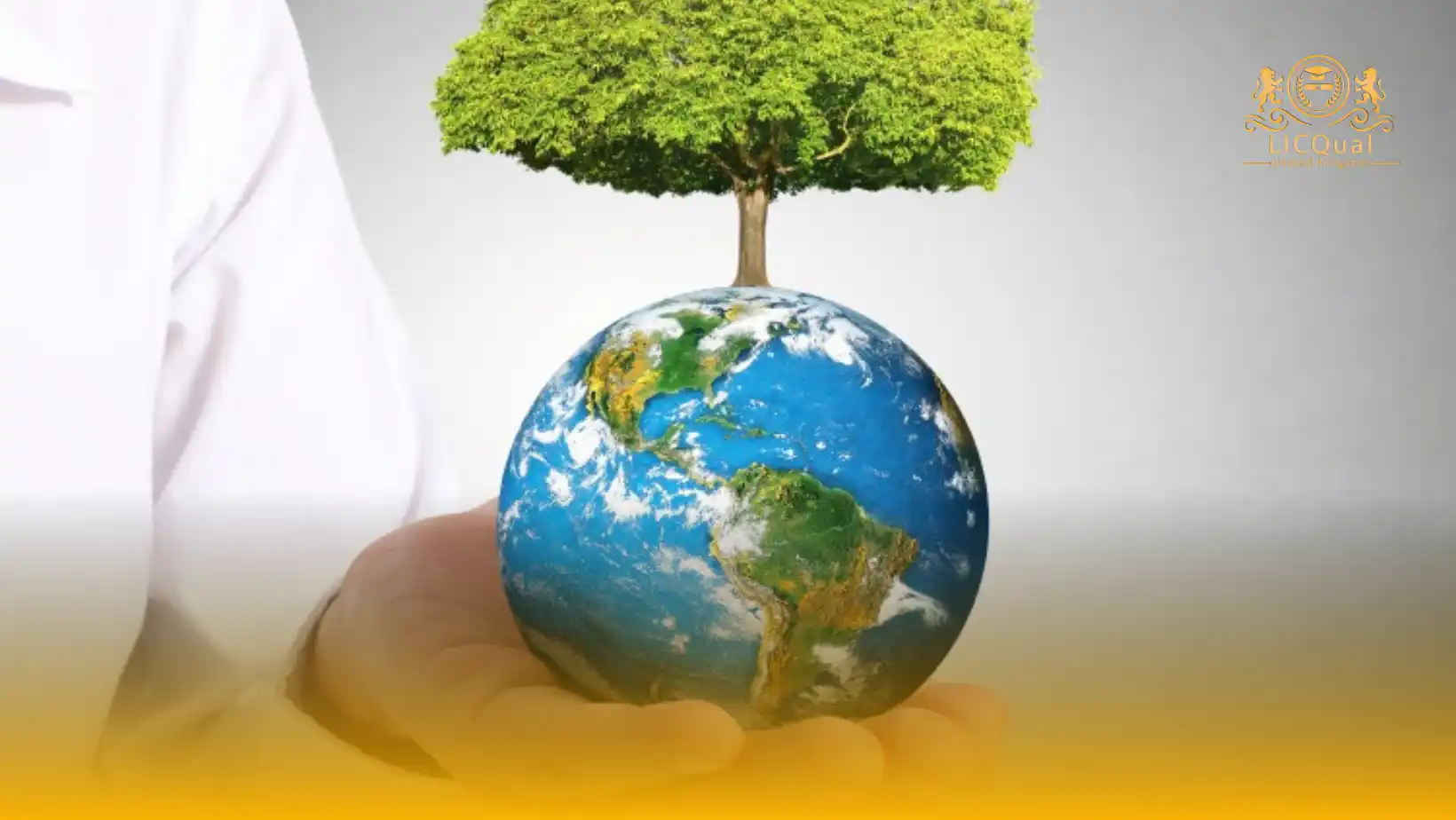
Environmental Management
The LICQual Level 6 Diploma in Environmental Management is a prestigious qualification designed to equip learners with the expertise to lead sustainable and environmentally responsible initiatives. As industries worldwide face growing pressure to meet strict environmental regulations and adopt greener practices, learners with advanced skills are in high demand. This diploma provides learners with in-depth knowledge and strategic capabilities to drive impactful change within organisations and across communities.
Learners completing this qualification gain the tools to elevate their careers, transition into executive roles, and become leaders in environmental sustainability. The course covers environmental governance, sustainability strategies, policy influence, and management of large-scale projects.
Through a combination of practical learning and theoretical knowledge, learners develop the ability to address complex environmental challenges, implement sustainable solutions, and guide organisational strategy. The LICQual Level 6 Diploma in Environmental Management empowers learners to shape the future of sustainability, build influential careers, and contribute to a more environmentally responsible world.
Course Overview
Qualification Title
LICQual Level 6 Diploma in Environmental Management
Total Units
6
Total Credits
120
GLH
480
Qualification #
LICQ2200004
Qualification Specification
To enroll in the LICQual Level 6 Diploma in Environmental Management, applicants must meet the following criteria:
|
Qualification# |
Unit Title |
Credits |
GLH |
|---|---|---|---|
|
LICQ2200004-1 |
Environmental Sustainability and Principle |
20 |
80 |
|
LICQ2200004-2 |
Global Environmental Issues |
20 |
80 |
|
LICQ2200004-3 |
Environmental Policy |
20 |
80 |
|
LICQ2200004-4 |
Environmental Policy issues |
20 |
80 |
|
LICQ2200004-5 |
Environmental Law |
20 |
80 |
|
LICQ2200004-6 |
key environmental Units of International legislation and compliance measures |
20 |
80 |
By the end of this course, learners will be able to:
Environmental Sustainability and Principles:
- Understand the core principles of environmental sustainability, including the balance between economic growth, environmental protection, and social equity.
- Analyze sustainable development models and their application across various sectors and industries.
- Develop strategies for integrating sustainability into organizational processes and practices.
Global Environmental Issues:
- Identify and critically assess major global environmental challenges, such as climate change, deforestation, and biodiversity loss.
- Evaluate the impacts of human activities on global ecosystems and resources.
- Propose innovative solutions and strategies for mitigating environmental degradation on a global scale.
Environmental Policy:
- Understand the formulation and implementation of environmental policies at national, regional, and global levels.
- Analyze how environmental policies influence business practices, governmental regulations, and societal behaviors.
- Develop the skills to create effective, evidence-based environmental policies that promote sustainability and environmental protection.
Environmental Policy Issues:
- Examine the key environmental policy issues that affect industries, governments, and communities.
- Assess the political, economic, and social factors that shape environmental policy decisions.
- Analyze policy challenges such as resource allocation, pollution control, and climate change mitigation.
Environmental Law:
- Understand the framework of environmental law, including legislation related to pollution control, waste management, and biodiversity protection.
- Evaluate the role of environmental law in regulating industries and holding organizations accountable for their environmental impact.
- Apply legal principles to real-world environmental issues and develop strategies for compliance with environmental regulations.
Key Environmental Units of International Legislation and Compliance Measures:
- Study key international environmental agreements, conventions, and treaties, such as the Paris Agreement, Kyoto Protocol, and Convention on Biological Diversity.
- Understand the role of international bodies and organizations in shaping global environmental standards and regulations.
- Evaluate the mechanisms for ensuring compliance with international environmental laws and measures, and assess their effectiveness in promoting global sustainability.
This diploma is ideal for:
Assessment and Verification
All units within this qualification are subject to internal assessment by the approved centre and external verification by LICQual. The qualification follows a criterion-referenced assessment approach, ensuring that learners meet all specified learning outcomes.
To achieve a ‘Pass’ in any unit, learners must provide valid, sufficient, and authentic evidence demonstrating their attainment of all learning outcomes and compliance with the prescribed assessment criteria. The Assessor is responsible for evaluating the evidence and determining whether the learner has successfully met the required standards.
Assessors must maintain a clear and comprehensive audit trail, documenting the basis for their assessment decisions to ensure transparency, consistency, and compliance with quality assurance requirements.