
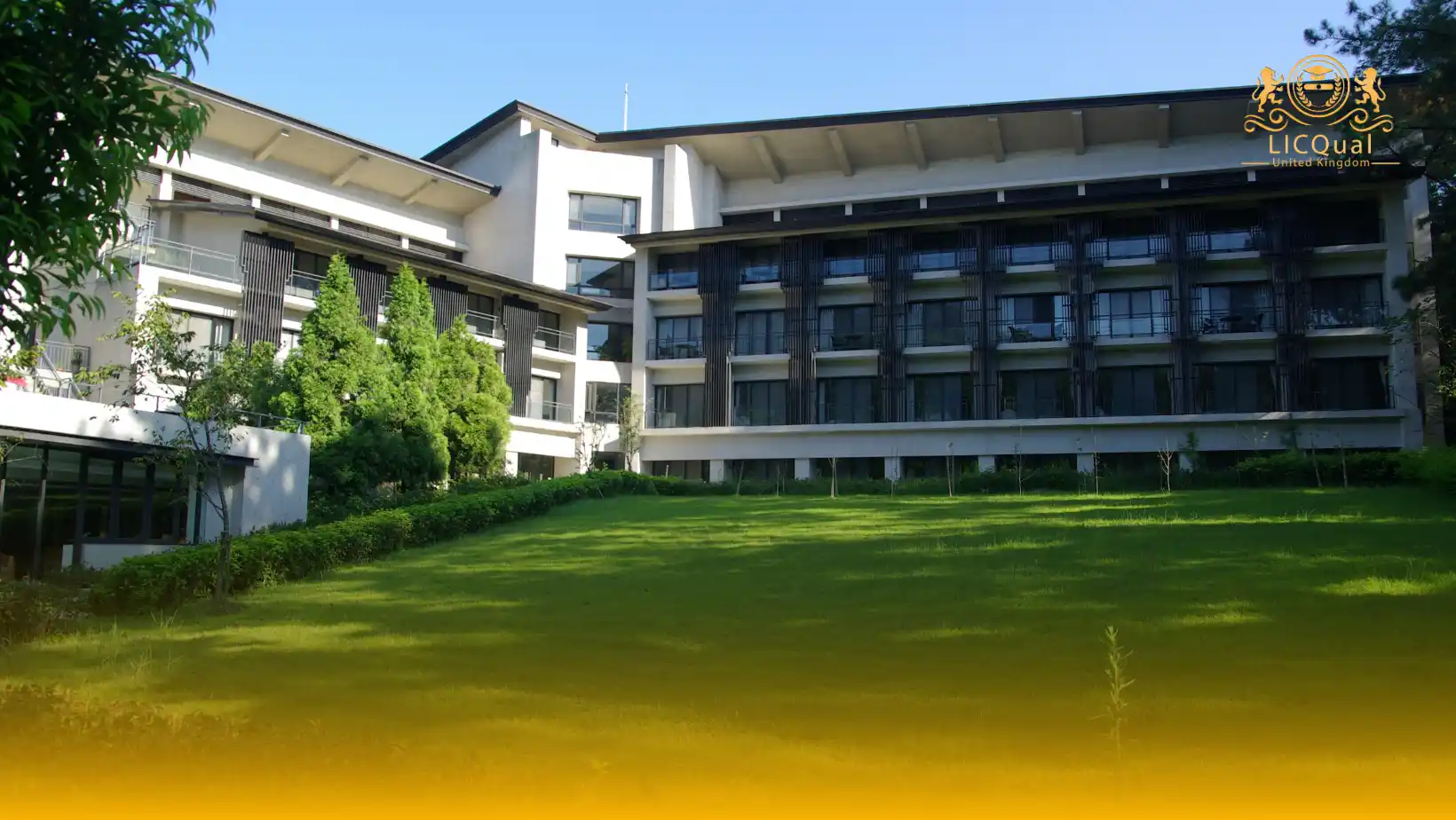
Green Building Technology (GBT)
The LICQual Level 5 Diploma in Green Building Technology (GBT) equips learners with advanced knowledge and skills in sustainable construction, enabling the design and management of energy-efficient, environmentally responsible buildings. Learners explore cutting-edge green building technologies, climate-resilient design, smart infrastructure, and regenerative construction practices.
Through this diploma, learners gain expertise in strategic implementation of sustainability projects, advanced energy optimization, and high-level environmental impact assessments. Learners also examine renewable energy integration, smart building systems, sustainable urban planning, and leadership in eco-friendly construction initiatives.
The program emphasizes both theoretical knowledge and practical applications, allowing learners to develop solutions that enhance building performance, reduce carbon footprints, and comply with global sustainability standards. By completing the LICQual Level 5 Diploma in Green Building Technology, learners are prepared to lead sustainability projects, drive innovation in the built environment, and implement advanced green technologies that support energy efficiency, environmental responsibility, and resilient urban development.
Course Overview
Qualification Title
LICQual Level 5 Diploma in Green Building Technology (GBT)
Total Units
6
Total Credits
60
GLH
360
Qualification #
LICQ2200381
Qualification Specification
To enrol in the LICQual Level 5 Diploma in Green Building Technology (GBT), applicants must meet the following entry requirements:
- Age Requirement: Applicant must be at least 18 years old.
- Educational Requirements: Applicant must have completed a Level 4 qualification in construction, engineering, sustainability, or a related field, or hold equivalent knowledge.
- Experience: Applicant should have practical experience in construction, building design, sustainable projects, or related professional work.
- English Language Proficiency: Applicant must have adequate English reading, writing, and speaking skills to engage effectively with course materials.
|
Qualification# |
Unit Title |
Credits |
GLH |
|---|---|---|---|
|
LICQ2200381-1 LICQ2200381-2 |
Low-Carbon and Carbon-Neutral Building Strategies Policy and Regulatory Frameworks for Green Construction |
10 10 |
60 60 |
|
LICQ2200381-3 |
Advanced Water Resource Management in Green Buildings |
10 |
60 |
|
LICQ2200381-4 |
Biophilic Design and Its Impact on Human Health |
10 |
60 |
|
LICQ2200381-5 |
Performance-Based Design and Building Lifecycle Analysis |
10 |
60 |
|
LICQ2200381-6 |
Green Building Economics and Financial Feasibility Studies |
10 |
60 |
By the end of this course, learners will be able to:
Low-Carbon and Carbon-Neutral Building Strategies
- Understand and apply low-carbon and carbon-neutral building design principles to reduce a building’s environmental impact.
- Develop strategies to integrate renewable energy sources, energy-efficient technologies, and sustainable materials to achieve carbon neutrality in construction projects.
- Evaluate the carbon footprint of buildings and recommend solutions for reducing energy consumption and greenhouse gas emissions.
Policy and Regulatory Frameworks for Green Construction
- Analyze the policy and regulatory frameworks governing green construction, including global and local sustainability standards and certifications (e.g., LEED, BREEAM, WELL Building Standard).
- Understand the role of government regulations, building codes, and environmental legislation in promoting sustainable construction practices.
- Evaluate the impact of policy changes on green building practices and recommend compliance strategies for construction projects.
Advanced Water Resource Management in Green Buildings
- Apply advanced water conservation techniques in the design and construction of green buildings, such as rainwater harvesting, greywater recycling, and efficient irrigation systems.
- Design water-efficient systems that optimize water usage without compromising building performance or occupant comfort.
- Assess water management strategies and their effectiveness in reducing environmental impacts in both residential and commercial buildings.
Biophilic Design and Its Impact on Human Health
- Understand the principles of biophilic design and how integrating nature into built environments can positively influence human health and well-being.
- Incorporate natural elements such as light, greenery, and ventilation to enhance occupant comfort, productivity, and mental health.
- Evaluate the psychological and physical benefits of biophilic design in green building projects and provide recommendations for its implementation.
Performance-Based Design and Building Lifecycle Analysis
- Master the concepts of performance-based design by assessing how buildings will perform throughout their lifecycle in terms of energy efficiency, durability, and environmental impact.
- Conduct building lifecycle analysis (LCA) to evaluate the environmental impact of building materials and systems over time, from construction to decommissioning.
- Recommend sustainable alternatives that optimize long-term performance and reduce lifecycle costs for green buildings.
Green Building Economics and Financial Feasibility Studies
- Understand the economic implications of green building projects, including cost analysis, return on investment (ROI), and life-cycle costing.
- Conduct financial feasibility studies to assess the financial viability of sustainable construction projects and identify cost-effective green technologies.
- Provide economic solutions that balance sustainability goals with financial considerations, ensuring green building projects are both environmentally and economically viable.
This diploma is ideal for:
- Professionals in construction, architecture, engineering, or environmental management looking to advance their expertise in sustainable building technologies.
- Project managers and consultants involved in green building projects or those aiming to specialize in eco-friendly construction.
- Urban planners and policymakers working on sustainable urban development and climate-resilient infrastructure.
- Individuals with a strong background in green technologies, energy efficiency, and environmental sustainability who wish to further develop their skills.
- Entrepreneurs or business owners in the construction industry wanting to implement renewable energy systems and green building practices in their projects.
- Graduates or professionals seeking to transition into the green building sector or sustainable construction industry.
- Sustainability experts and environmental consultants aiming to deepen their knowledge of advanced green building technologies and financial feasibility in green construction.
Assessment and Verification
All units within this qualification are subject to internal assessment by the approved centre and external verification by LICQual. The qualification follows a criterion-referenced assessment approach, ensuring that learners meet all specified learning outcomes.
To achieve a ‘Pass’ in any unit, learners must provide valid, sufficient, and authentic evidence demonstrating their attainment of all learning outcomes and compliance with the prescribed assessment criteria. The Assessor is responsible for evaluating the evidence and determining whether the learner has successfully met the required standards.
Assessors must maintain a clear and comprehensive audit trail, documenting the basis for their assessment decisions to ensure transparency, consistency, and compliance with quality assurance requirements.