
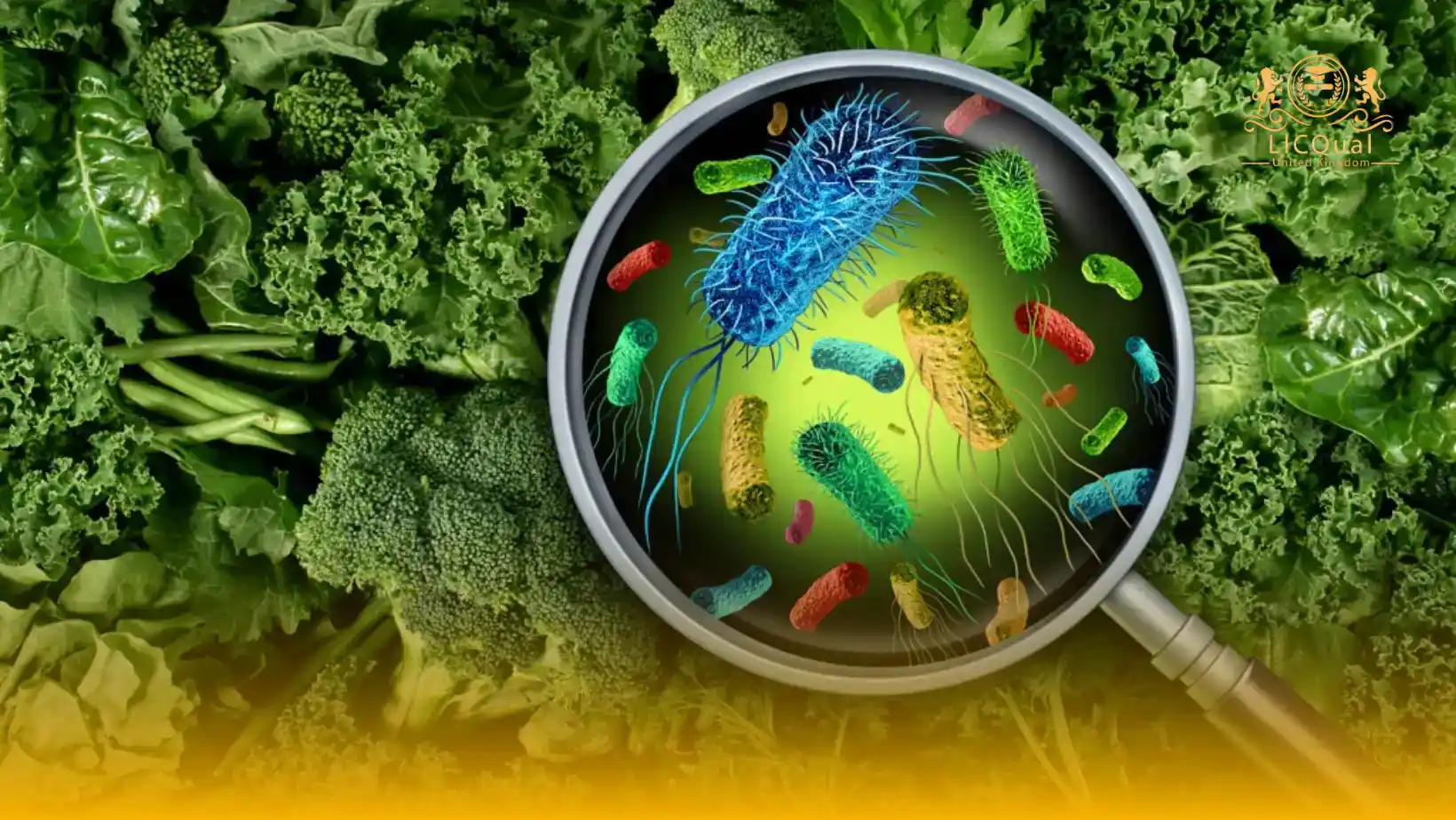
Intermediate Certificate in Food Safety
The LICQual Level 3 Intermediate Certificate in Food Safety provides learners with an advanced understanding of food hygiene, risk management, and regulatory compliance. This comprehensive program equips learners with the skills and knowledge needed to manage food safety practices effectively across diverse food environments.
Learners will gain expertise in identifying foodborne hazards, preventing contamination, and implementing robust food safety management systems. The course emphasizes practical application, including conducting thorough risk assessments, establishing control measures, and monitoring food handling procedures to ensure compliance with national and international standards.
Through a combination of theoretical knowledge and hands-on guidance, learners will explore critical aspects of food safety legislation, hygiene principles, and the operation of food safety management systems.
By completing the LICQual Level 3 Intermediate Certificate in Food Safety, learners will enhance their professional capability, confidently oversee food safety practices, and demonstrate a commitment to maintaining high standards of hygiene and safety in any food-related operation.
Course Overview
Qualification Title
LICQual Level 3 Intermediate Certificate in Food Safety
Total Units
6
Total Credits
24
GLH
120
Qualification #
LICQ2200080
Qualification Specification
To enroll in the LICQual Level 3 Intermediate Certificate in Food Safety, applicants must meet the following criteria:
|
Qualification# |
Unit Title |
Credits |
GLH |
|---|---|---|---|
|
LICQ2200080-1 |
Principles of Food Safety Management |
4 |
20 |
|
LICQ2200080-2 |
Foodborne Illnesses and Contamination |
4 |
20 |
|
LICQ2200080-3 |
Risk Assessment and Control Measures |
4 |
20 |
|
LICQ2200080-4 |
Legal Requirements and Food Safety Regulations |
4 |
20 |
|
LICQ2200080-5 |
Personal Hygiene and Workplace Practices |
4 |
20 |
|
LICQ2200080-6 |
Monitoring, Auditing, and Reviewing Food Safety Practices |
4 |
20 |
By the end of this course, learners will be able to:
1. Monitoring, Auditing, and Reviewing Food Safety Practices
- Understand the importance of monitoring and auditing food safety practices within a food business.
- Be able to conduct audits to assess food safety procedures and identify potential risks.
- Demonstrate how to evaluate food safety systems and implement corrective actions to improve practices.
- Develop strategies for reviewing and maintaining ongoing compliance with food safety standards.
2. Foodborne Illnesses and Contamination
- Recognize the types and causes of foodborne illnesses and contamination.
- Identify critical points in the food supply chain where contamination risks are highest.
- Implement preventive measures to reduce the risk of foodborne diseases.
- Understand the impact of foodborne illnesses on public health and the food industry.
3. Risk Assessment and Control Measures
- Conduct effective risk assessments to identify potential food safety hazards in food processing or handling environments.
- Analyze the severity and likelihood of risks associated with food safety.
- Develop and apply appropriate control measures to mitigate identified risks.
- Understand the role of critical control points (CCPs) and how to monitor them.
4. Legal Requirements and Food Safety Regulations
- Understand the legal obligations related to food safety and hygiene in various jurisdictions.
- Be able to apply food safety regulations and industry standards to business practices.
- Identify the key food safety laws and regulatory agencies at local, national, and international levels.
- Ensure compliance with health and safety regulations to avoid penalties and risks to public health.
5. Personal Hygiene and Workplace Practices
- Demonstrate correct personal hygiene practices to prevent food contamination.
- Understand the importance of handwashing, protective clothing, and maintaining a clean working environment.
- Implement workplace practices that support food safety and hygiene standards.
- Educate staff on the significance of personal hygiene in reducing contamination risks.
6. Monitoring, Auditing, and Reviewing Food Safety Practices (Repeated)
- Develop skills in performing regular monitoring and auditing of food safety practices.
- Be able to identify gaps in food safety practices and propose improvements.
- Learn to review food safety management systems and make necessary adjustments for continuous improvement.
- Understand how to report food safety audit findings and track the implementation of corrective actions.
This diploma is ideal for:
Assessment and Verification
All units within this qualification are subject to internal assessment by the approved centre and external verification by LICQual. The qualification follows a criterion-referenced assessment approach, ensuring that learners meet all specified learning outcomes.
To achieve a ‘Pass’ in any unit, learners must provide valid, sufficient, and authentic evidence demonstrating their attainment of all learning outcomes and compliance with the prescribed assessment criteria. The Assessor is responsible for evaluating the evidence and determining whether the learner has successfully met the required standards.
Assessors must maintain a clear and comprehensive audit trail, documenting the basis for their assessment decisions to ensure transparency, consistency, and compliance with quality assurance requirements.