
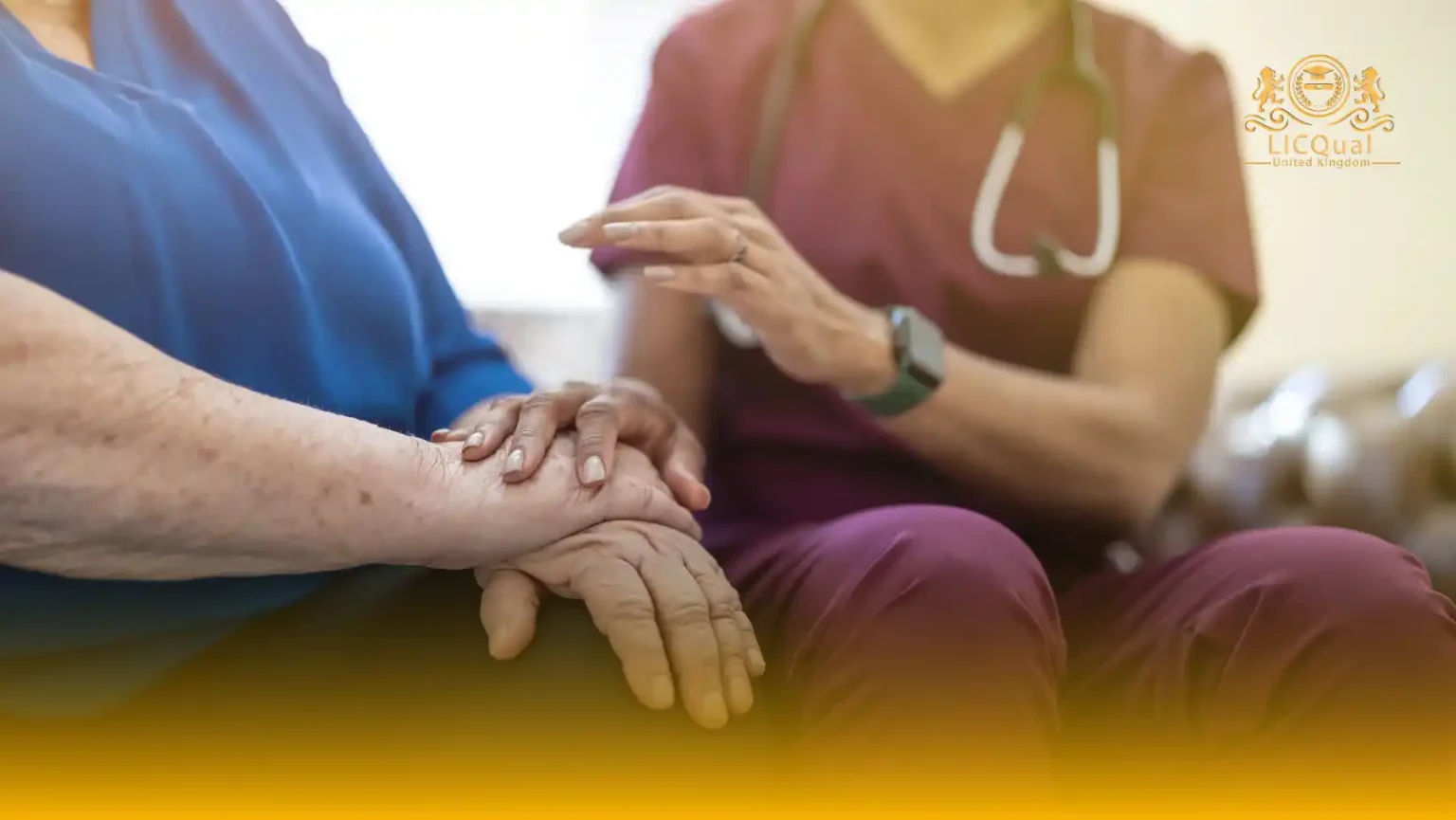
The LICQual Level 3 Diploma in Palliative Care and Hospice Medicine (Dip PCHM) is an internationally recognized qualification designed for healthcare professionals who want to specialize in end-of-life care, pain management, and holistic patient support. This program is ideal for doctors, nurses, and allied health practitioners seeking to enhance their expertise in providing compassionate, evidence-based care for patients with life-limiting illnesses.
Palliative care and hospice medicine are essential areas of modern healthcare, focusing not only on managing physical symptoms but also on addressing emotional, psychological, and spiritual needs. This Diploma in Palliative Care and Hospice Medicine equips learners with advanced knowledge of pain control, symptom relief, communication strategies, and ethical decision-making. From understanding the complexities of terminal illness to supporting families through the care journey, the course ensures learners gain both clinical and human-centered skills.
Delivered through a flexible online format, the program is tailored for busy professionals who require an accredited qualification without disrupting their work schedules. With expert-led modules, interactive resources, and CPD accreditation, the LICQual Level 3 Diploma in Palliative Care and Hospice Medicine combines academic rigor with practical application.
By completing this diploma, learners will not only strengthen their clinical expertise but also expand their career opportunities in hospitals, hospices, community care, and global health organizations. The qualification is particularly valuable for those aiming to advance into leadership roles, contribute to healthcare policy, or specialize in palliative and hospice medicine.
If you are looking for a globally respected palliative care and hospice medicine diploma that blends academic excellence with compassionate practice, the LICQual Level 3 Diploma in Palliative Care and Hospice Medicine is the perfect choice. Take the next step in your professional journey and join a community of healthcare practitioners dedicated to improving quality of life for patients and families.
Course Overview
Qualification Title
LICQual Level 3 Diploma in Palliative Care and Hospice Medicine (Dip PCHM)
Total Units
6
Total Credits
60
GLH
240
Qualification #
LICQ2200898
Qualification Specification
To enroll in the LICQual Level 3 Diploma in Palliative Care and Hospice Medicine (Dip PCHM) , applicants must meet the following criteria:
|
Qualification# |
Unit Title |
Credits |
GLH |
|---|---|---|---|
|
LICQ2200898-1 |
Principles and Philosophy of Palliative Care |
10 |
40 |
|
LICQ2200898-2 |
Pain and Symptom Management in Palliative Medicine |
10 |
40 |
|
LICQ2200898-3 |
Psychosocial and Spiritual Aspects of Care |
10 |
40 |
|
LICQ2200898-4 |
Communication Skills and Ethical Considerations in End-of-Life Care |
10 |
40 |
|
LICQ2200898-5 |
Interdisciplinary Teamwork and Family Support |
10 |
40 |
|
LICQ2200898-6 |
Professional Development and Evidence-Based Practice in Hospice Medicine |
10 |
40 |
By the end of this course, learners will be able to:
Unit 1: Principles and Philosophy of Palliative Care
- Understand the core principles and philosophy of palliative and hospice medicine.
- Explain the role of palliative care in improving quality of life for patients and families.
- Recognise the importance of holistic, patient-centred care in advanced illness.
- Analyse historical and contemporary developments in palliative medicine.
Unit 2: Pain and Symptom Management in Palliative Medicine
- Identify common symptoms experienced by patients in palliative care.
- Demonstrate knowledge of pharmacological and non-pharmacological approaches to pain management.
- Apply evidence-based practices for controlling breathlessness, fatigue, nausea, and other symptoms.
- Evaluate the importance of individualised care plans for symptom relief.
Unit 3: Psychosocial and Spiritual Aspects of Care
- Recognise the psychological and emotional challenges faced by patients and families.
- Assess the impact of cultural and spiritual beliefs on end-of-life care.
- Develop strategies to provide emotional, spiritual, and cultural support.
- Evaluate the importance of compassion, empathy, and resilience in caregiving.
Unit 4: Communication Skills and Ethical Considerations in End-of-Life Care
- Demonstrate effective communication skills with patients, families, and colleagues.
- Understand ethical issues such as consent, autonomy, and advanced care planning.
- Evaluate strategies for delivering difficult news with sensitivity.
- Recognise the importance of confidentiality, dignity, and respect in end-of-life care.
Unit 5: Interdisciplinary Teamwork and Family Support
- Understand the role of interdisciplinary teams in delivering holistic palliative care.
- Evaluate methods for collaboration between healthcare professionals, carers, and family members.
- Analyse strategies for supporting families during illness and bereavement.
- Demonstrate skills in conflict resolution and effective team communication.
Unit 6: Professional Development and Evidence-Based Practice in Hospice Medicine
- Understand the importance of Continuing Professional Development (CPD) in palliative medicine.
- Evaluate the role of research and evidence-based practice in hospice care delivery.
- Develop strategies to enhance personal and professional growth in end-of-life care.
- Demonstrate the ability to apply reflective practice to improve patient outcomes.
The LICQual Level 3 Diploma in Palliative Care and Hospice Medicine is designed for healthcare professionals, medical graduates, and allied practitioners who want to specialize in end-of-life care, pain management, and holistic patient support. This internationally recognized diploma is ideal for those seeking CPD accreditation, career advancement, and flexible online training that prepares them to deliver compassionate and evidence-based palliative care in hospitals, hospices, and community settings.
1. Medical Doctors and Physicians
- Strengthen diagnostic and treatment skills in palliative and hospice medicine
- Gain advanced knowledge of pain and symptom management
- Apply evidence-based approaches to end-of-life care
- Improve patient outcomes with specialized training in palliative care
- Enhance professional credibility with an accredited diploma
2. Nurses and Clinical Practitioners
- Develop expertise in managing patients with life-limiting illnesses
- Learn patient-centered care strategies for hospice and palliative settings
- Expand clinical scope with a Diploma in Palliative Care and Hospice Medicine
- Access CPD-accredited training for career progression
- Gain confidence in supporting multidisciplinary healthcare teams
3. Allied Health Professionals
- Suitable for physiotherapists, dietitians, and pharmacists
- Understand the role of rehabilitation and nutrition in palliative care
- Support patients and families with holistic care approaches
- Strengthen interprofessional collaboration in healthcare delivery
- Add a specialized qualification to enhance career opportunities
4. Medical Graduates and Postgraduate Students
- Build a strong foundation in palliative and hospice medicine
- Gain a competitive edge in postgraduate medical applications
- Access flexible online learning while continuing clinical rotations
- Learn from expert-led modules aligned with international standards
- Earn a diploma that strengthens both academic and professional profiles
5. Healthcare Administrators and Policy Makers
- Understand the impact of palliative care on healthcare systems
- Gain insights into patient care pathways and service delivery models
- Learn strategies for integrating hospice services into practice
- Strengthen leadership credentials with specialized knowledge
- Support evidence-based policy and program development
6. International Healthcare Professionals
- Designed for global learners seeking UK-accredited qualifications
- Access flexible online study from anywhere in the world
- Gain recognition with an internationally respected diploma
- Learn best practices in palliative and hospice medicine
- Enhance employability in hospitals, hospices, and global health organizations
7. Professionals Seeking Career Advancement
- Ideal for those aiming to specialize in palliative and hospice medicine
- Boost career growth with a niche medical qualification
- Gain recognition for advanced clinical and compassionate care expertise
- Open pathways to leadership, teaching, and research roles
- Strengthen your CV with a Diploma in Palliative Care and Hospice Medicine
To successfully deliver the LICQual Level 3 Diploma in Palliative Care and Hospice Medicine (Dip PCHM), centres must meet specific standards to ensure learners receive high-quality training and support. Approved centres are expected to demonstrate the following:
- Qualified and Competent Staff – Trainers, assessors, and academic staff must hold relevant qualifications in palliative care, hospice medicine, or healthcare, along with practical experience in the sector.
- Adequate Learning Resources – Centres should provide access to up-to-date learning materials, case studies, journals, and digital resources to support effective teaching and learner development.
- Practical Training Facilities – Where applicable, centres must have facilities that simulate real-world healthcare and palliative care environments to aid in skill development.
- Robust Quality Assurance Systems – Centres must have policies in place for assessment, feedback, and learner support to maintain academic integrity and ensure consistent delivery.
- Learner Support Services – Guidance, mentoring, and academic support must be available to help learners achieve successful outcomes.
- Access to Technology and Digital Platforms – Centres should provide learners with online learning options, assessment tools, and e-resources to enhance flexibility and accessibility.
- Commitment to CPD and Evidence-Based Practice – Centres must encourage both staff and learners to engage in continuous professional development and utilise the latest research in palliative care.
- Compliance with LICQual Standards – All delivery must adhere to LICQual quality frameworks, ensuring high standards of teaching, learning, and assessment.
Assessment and Verification
All units within this qualification are subject to internal assessment by the approved centre and external verification by LICQual. The qualification follows a criterion-referenced assessment approach, ensuring that learners meet all specified learning outcomes.
To achieve a ‘Pass’ in any unit, learners must provide valid, sufficient, and authentic evidence demonstrating their attainment of all learning outcomes and compliance with the prescribed assessment criteria. The Assessor is responsible for evaluating the evidence and determining whether the learner has successfully met the required standards.
Assessors must maintain a clear and comprehensive audit trail, documenting the basis for their assessment decisions to ensure transparency, consistency, and compliance with quality assurance requirements.