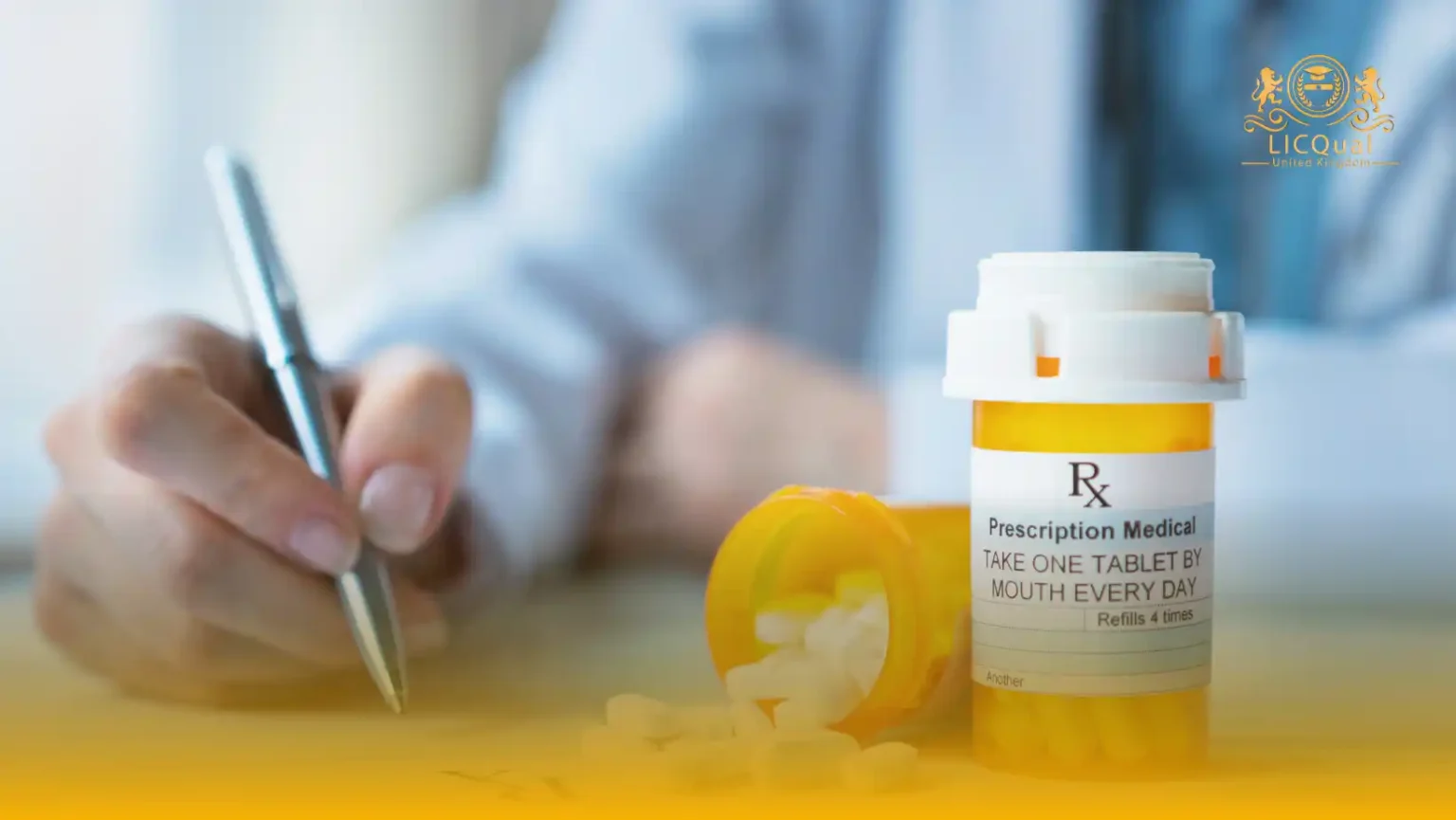
Are you passionate about improving patient safety and ensuring the highest standards in healthcare? The LICQual Level 3 Diploma in Medication Safety and Quality Assurance (Dip Medication Safety) is an internationally accredited qualification designed for professionals and learners who want to specialize in safe medication practices and healthcare quality systems.
This diploma provides a strong foundation in medication safety, risk management, and quality assurance frameworks. You will explore how healthcare organizations prevent medication errors, monitor drug safety, and implement effective quality assurance strategies. The program is ideal for healthcare professionals, pharmacists, nurses, and graduates who want to build expertise in patient safety and healthcare quality.
Unlike short courses, the Dip Medication Safety qualification is globally recognized and career‑focused. By enrolling in the Medication Safety and Quality Assurance Level 3 Diploma online, you gain practical skills in identifying risks, applying safety protocols, and ensuring compliance with international healthcare standards. The curriculum emphasizes evidence‑based practice, ethical responsibility, and patient‑centered care, preparing learners for diverse roles in hospitals, pharmaceutical companies, and healthcare institutions worldwide.
What makes this diploma unique is its balance of theory and practical application. Complex topics such as drug safety monitoring, clinical risk management, and healthcare quality assurance are explained in clear, approachable language. This ensures that learners not only understand the principles but also know how to apply them in real‑world healthcare settings.
With international accreditation and flexible online learning options, the LICQual Level 3 Diploma in Medication Safety and Quality Assurance is your pathway to becoming a trusted professional in patient safety and healthcare quality. Whether you are starting your journey or advancing your career, this qualification equips you with the skills, recognition, and confidence to succeed in the growing field of medication safety.
Course Overview
Qualification Title
LICQual Level 3 Diploma in Medication Safety and Quality Assurance (Dip Medication Safety)
Total Units
6
Total Credits
60
GLH
240
Qualification #
LICQ2201165
Qualification Specification
To enroll in the LICQual Level 3 Diploma in Pharmaceutical Informatics (Dip Pharmaceutical Informatics) , applicants must meet the following criteria:
|
Qualification# |
Unit Title |
Credits |
GLH |
|---|---|---|---|
|
LICQ2201165-1 |
Introduction to Medication Safety |
10 |
40 |
|
LICQ2201165-2 |
Medication Management System |
10 |
40 |
|
LICQ2201165-3 |
Quality Assurance in Healthcare |
10 |
40 |
|
LICQ2201165-4 |
Regulatory and Legal Frameworks |
10 |
40 |
|
LICQ2201165-5 |
Medication Risk Assessment and Incident Reporting |
10 |
40 |
|
LICQ2201165-6 |
Applications of Medication Safety and Quality Assurance |
10 |
40 |
By the end of this course, learners will be able to:
Unit 1: Introduction to Medication Safety
By the end of this unit, learners will be able to:
- Explain the fundamental principles of medication safety
- Describe the importance of safe medication practices in healthcare settings
- Identify the roles and responsibilities of healthcare professionals in preventing medication errors
- Demonstrate understanding of risk management strategies related to medication use
Unit 2: Medication Management Systems
By the end of this unit, learners will be able to:
- Analyse the design and implementation of medication management systems
- Demonstrate understanding of safe prescribing, dispensing, administration, and documentation practices
- Evaluate procedures to ensure accurate and effective medication delivery
- Apply best practices for monitoring and improving medication processes
Unit 3: Quality Assurance in Healthcare
By the end of this unit, learners will be able to:
- Explain the principles and purpose of quality assurance in healthcare
- Assess methods for auditing and evaluating healthcare practices
- Apply continuous improvement strategies to enhance patient safety and care quality
- Analyse the impact of quality assurance on healthcare outcomes
Unit 4: Regulatory and Legal Frameworks
By the end of this unit, learners will be able to:
- Describe national and international regulations related to medication safety and quality assurance
- Explain legal requirements and professional codes of practice in healthcare
- Demonstrate understanding of compliance procedures and standards
- Evaluate the implications of regulatory frameworks on medication management
Unit 5: Medication Risk Assessment and Incident Reporting
By the end of this unit, learners will be able to:
- Identify and assess risks associated with medication use
- Demonstrate understanding of incident reporting procedures and root cause analysis
- Apply strategies to prevent medication errors and adverse events
- Analyse case studies to develop effective risk mitigation solutions
Unit 6: Applications of Medication Safety and Quality Assurance
By the end of this unit, learners will be able to:
- Apply principles of medication safety and quality assurance in practical healthcare scenarios
- Demonstrate problem-solving skills through case studies and professional practice
- Evaluate best practice strategies to improve medication safety and quality outcomes
- Integrate theoretical knowledge and practical skills to support professional healthcare practice
The LICQual Level 3 Diploma in Medication Safety and Quality Assurance (Dip Medication Safety) is designed for learners who want to build expertise in patient safety, drug quality assurance, and healthcare risk management. This internationally accredited qualification is ideal for healthcare professionals, pharmacists, nurses, graduates, and policy makers who want to strengthen their knowledge of safe medication practices and healthcare quality systems. Whether you are starting your career or advancing into leadership roles, this diploma equips you with the skills, recognition, and confidence to succeed.
1. Healthcare Professionals Focused on Patient Safety
- Doctors, nurses, and pharmacists aiming to specialize in medication safety
- Professionals seeking accredited qualifications in healthcare quality assurance
- Staff wanting to reduce medication errors and improve patient outcomes
- Individuals aiming to strengthen evidence‑based practice in clinical settings
- Healthcare workers preparing for leadership roles in patient safety
2. Pharmacists and Pharmacy Technicians
- Pharmacists seeking advanced training in drug safety and quality assurance
- Pharmacy technicians aiming to enhance their professional qualifications
- Individuals wanting to understand international medication safety standards
- Staff preparing for roles in hospital and community pharmacy management
- Learners interested in improving compliance with regulatory frameworks
3. Nurses and Clinical Staff
- Nurses aiming to specialize in patient safety and risk management
- Clinical staff seeking practical skills in medication error prevention
- Professionals wanting to strengthen their knowledge of drug administration safety
- Learners preparing for supervisory or quality assurance roles in healthcare
- Staff aiming to contribute to safer healthcare delivery systems
4. Graduates in Life Sciences and Healthcare
- Students with degrees in medicine, nursing, or pharmacy
- Fresh graduates seeking specialized training in medication safety
- Learners aiming to boost employability with accredited qualifications
- Individuals preparing for careers in healthcare quality assurance
- Graduates interested in international healthcare and pharmaceutical standards
5. Pharmaceutical Industry Professionals
- Employees working in drug manufacturing and development
- Clinical trial coordinators seeking knowledge of medication safety protocols
- Staff aiming to strengthen compliance with global drug safety regulations
- Professionals preparing for leadership roles in pharmaceutical quality assurance
- Individuals wanting to integrate patient safety into drug development processes
6. Policy Makers and Regulatory Authorities
- Professionals working in healthcare policy and regulation
- Staff involved in drug approval and compliance processes
- Individuals aiming to strengthen expertise in international safety standards
- Learners preparing for advisory or consultancy roles in healthcare quality
- Policy makers seeking deeper knowledge of medication safety frameworks
7. Career Changers Entering Healthcare Quality Assurance
- Professionals from other industries transitioning into healthcare safety
- Individuals seeking a structured pathway into medication safety management
- Learners aiming to gain practical, job‑ready skills quickly
- Career changers motivated by opportunities in healthcare quality assurance
- Those wanting internationally recognized qualifications to boost employability
To deliver the LICQual Level 3 Diploma in Medication Safety and Quality Assurance effectively and ensure high-quality learner outcomes, centres must meet the following requirements:
- Qualified and Competent Staff: Centres must employ instructors with relevant qualifications, professional experience in medication safety, healthcare, or quality assurance, and expertise in delivering Level 3 training. Staff should be able to support learners in both theoretical understanding and practical application.
- Access to Appropriate Resources: Centres must provide learners with up-to-date teaching materials, case studies, clinical protocols, and any relevant software or tools required to support learning and assessments.
- Learning Environment: Centres should maintain a safe, well-equipped, and conducive learning environment that facilitates interactive learning, group discussions, and practical exercises.
- Technological Infrastructure: Centres must ensure reliable access to computers, internet connectivity, and any specialised tools or platforms necessary for medication safety and quality assurance training.
- Compliance with Standards: Centres must operate in accordance with relevant regulatory and quality assurance standards to maintain the integrity, reliability, and recognition of the qualification.
- Support for CPD and Learner Progression: Centres should provide guidance for Continuing Professional Development (CPD) and support learners in applying knowledge and skills in professional healthcare contexts.
By meeting these requirements, centres can deliver the LICQual Level 3 Diploma in Medication Safety and Quality Assurance to the highest standard, ensuring learners gain practical skills, theoretical knowledge, and professional recognition.
Assessment and Verification
All units within this qualification are subject to internal assessment by the approved centre and external verification by LICQual. The qualification follows a criterion-referenced assessment approach, ensuring that learners meet all specified learning outcomes.
To achieve a ‘Pass’ in any unit, learners must provide valid, sufficient, and authentic evidence demonstrating their attainment of all learning outcomes and compliance with the prescribed assessment criteria. The Assessor is responsible for evaluating the evidence and determining whether the learner has successfully met the required standards.
Assessors must maintain a clear and comprehensive audit trail, documenting the basis for their assessment decisions to ensure transparency, consistency, and compliance with quality assurance requirements.