
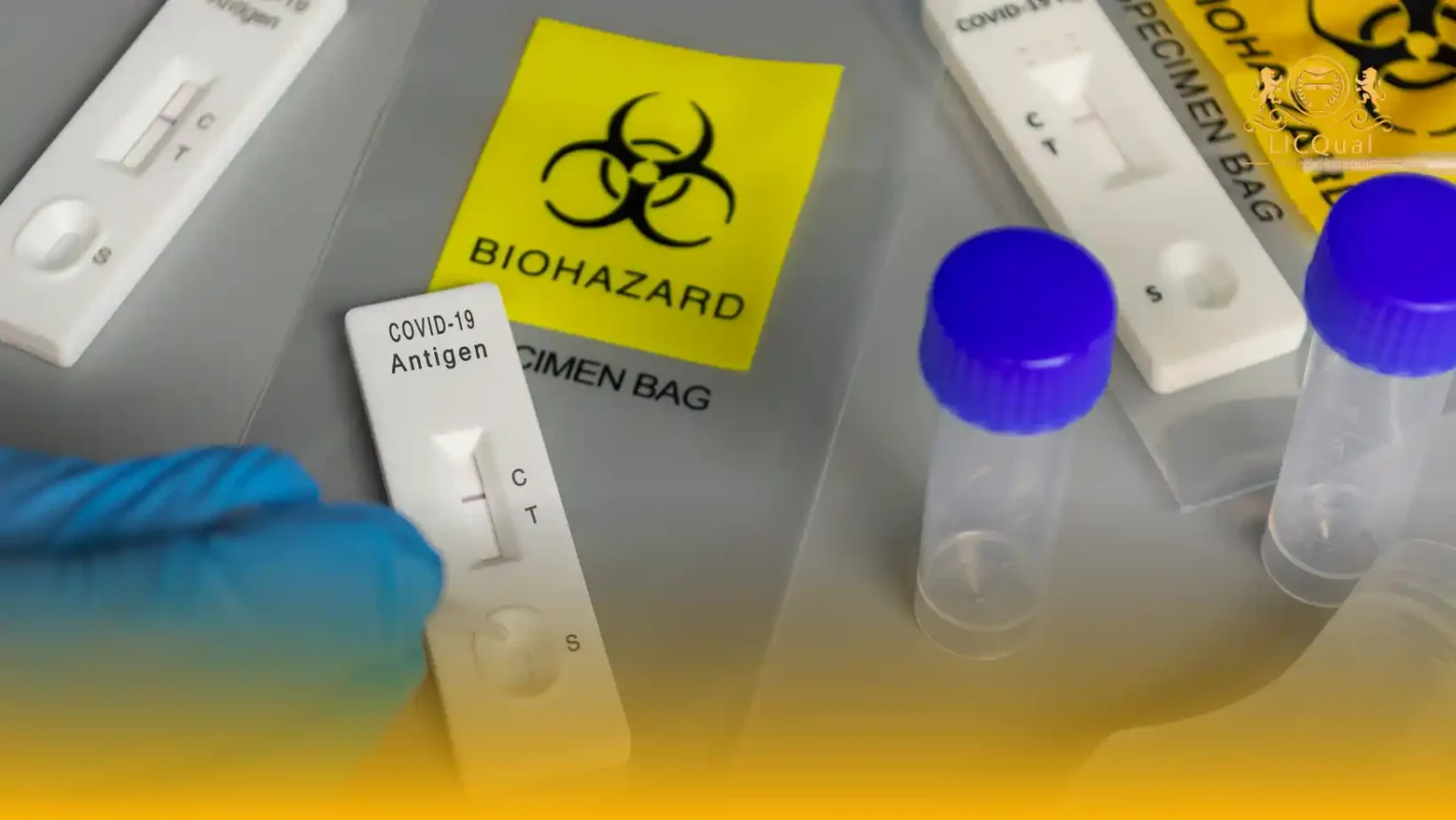
The LICQual Level 3 Diploma in Infectious Diseases and Tropical Medicine (Dip IDTM) is an internationally recognized qualification designed for healthcare professionals who want to specialize in the prevention, diagnosis, and management of infectious and tropical diseases. This program is ideal for doctors, nurses, and allied health practitioners seeking to expand their expertise in global health challenges such as malaria, dengue, tuberculosis, HIV, and emerging infectious diseases.
Infectious diseases and tropical medicine remain some of the most pressing issues in modern healthcare, particularly in regions where outbreaks and endemic conditions affect millions of lives. This Diploma in Infectious Diseases and Tropical Medicine (Dip IDTM) equips learners with advanced knowledge of epidemiology, clinical management, and public health strategies. From understanding the transmission of tropical infections to applying evidence-based treatment protocols, the course ensures that learners gain both theoretical insight and practical skills.
Delivered through a flexible online format, the program is tailored for busy professionals who require an accredited qualification without compromising their work schedules. With expert-led modules, interactive resources, and CPD accreditation, the LICQual Level 3 Diploma in Infectious Diseases and Tropical Medicine provides a balance of academic rigor and real-world application.
By completing this diploma, learners will not only strengthen their clinical expertise but also enhance their career prospects in hospitals, research institutions, NGOs, and global health organizations. The qualification is particularly valuable for those aiming to contribute to international health initiatives, outbreak response, and tropical medicine research.
If you are looking for a globally respected infectious diseases and tropical medicine diploma that combines academic excellence with practical application, the LICQual Level 3 Diploma in Infectious Diseases and Tropical Medicine (Dip IDTM) is the perfect choice. Take the next step in your professional journey and join a growing community of healthcare practitioners dedicated to improving global health outcomes.
Course Overview
Qualification Title
LICQual Level 3 Diploma in Infectious Diseases and Tropical Medicine (Dip IDTM)
Total Units
6
Total Credits
60
GLH
240
Qualification #
LICQ2200897
Qualification Specification
To enroll in the LICQual Level 3 Diploma in Infectious Diseases and Tropical Medicine (Dip IDTM), applicants must meet the following criteria:
|
Qualification# |
Unit Title |
Credits |
GLH |
|---|---|---|---|
|
LICQ2200897-1 |
Introduction to Infectious and Tropical Medicine |
10 |
40 |
|
LICQ2200897-2 |
Microbiology, Immunology, and Disease Transmission |
10 |
40 |
|
LICQ2200897-3 |
Clinical Diagnosis and Laboratory Investigations |
10 |
40 |
|
LICQ2200897-4 |
Management of Major Infectious and Tropical Diseases |
10 |
40 |
|
LICQ2200897-5 |
Public Health, Epidemiology, and Disease Control |
10 |
40 |
|
LICQ2200897-6 |
Research, Ethics, and Professional Practice in Infectious Diseases |
10 |
40 |
By the end of this course, learners will be able to:
Unit 1: Introduction to Infectious and Tropical Medicine
By the end of this unit, learners will be able to:
- Explain the scope and importance of infectious and tropical medicine in global health.
- Describe the history, classification, and burden of infectious diseases worldwide.
- Recognise common tropical diseases and their social and economic impact.
- Understand the role of healthcare professionals in the prevention and management of infectious conditions.
Unit 2: Microbiology, Immunology, and Disease Transmission
By the end of this unit, learners will be able to:
- Explain the role of microorganisms in infectious diseases, including bacteria, viruses, fungi, and parasites.
- Analyse the human immune response to infectious and tropical diseases.
- Evaluate modes of disease transmission and contributing environmental factors.
- Apply infection control measures to reduce disease spread in healthcare and community settings.
Unit 3: Clinical Diagnosis and Laboratory Investigations
By the end of this unit, learners will be able to:
- Conduct patient history taking and clinical examination for suspected infectious diseases.
- Interpret laboratory tests such as blood cultures, serology, PCR, and imaging in diagnosis.
- Recognise clinical signs and symptoms of key tropical and infectious diseases.
- Apply evidence-based approaches to differential diagnosis and treatment planning.
Unit 4: Management of Major Infectious and Tropical Diseases
By the end of this unit, learners will be able to:
- Differentiate between acute and chronic infectious diseases and their management.
- Evaluate treatment options for diseases such as malaria, tuberculosis, HIV/AIDS, dengue, and emerging infections.
- Recognise the role of vaccination, antimicrobial therapy, and supportive care in disease management.
- Develop patient-centred care plans to improve outcomes in tropical and infectious diseases.
Unit 5: Public Health, Epidemiology, and Disease Control
By the end of this unit, learners will be able to:
- Explain the principles of epidemiology and their application to infectious disease control.
- Analyse outbreak investigation methods and surveillance systems.
- Evaluate strategies for disease prevention, including vector control, sanitation, and vaccination programmes.
- Assess global health challenges and international responses to epidemics and pandemics.
Unit 6: Research, Ethics, and Professional Practice in Infectious Diseases
By the end of this unit, learners will be able to:
- Apply ethical principles to research and clinical practice in infectious and tropical medicine.
- Critically analyse current research trends and their impact on clinical and public health practice.
- Demonstrate professional standards in communication, teamwork, and patient care.
- Develop reflective practice skills to support lifelong learning and Continuing Professional Development (CPD).
The LICQual Level 3 Diploma in Infectious Diseases and Tropical Medicine (Dip IDTM) is designed for healthcare professionals, medical graduates, and global health practitioners who want to advance their expertise in diagnosing, managing, and preventing infectious and tropical diseases. This internationally recognized qualification is ideal for those seeking CPD accreditation, career advancement, and flexible online training that prepares them for real-world healthcare challenges.
1. Medical Doctors and Physicians
- Strengthen diagnostic and treatment skills in infectious diseases
- Gain advanced knowledge of malaria, dengue, tuberculosis, and HIV
- Apply evidence-based approaches to tropical medicine practice
- Improve patient outcomes with specialized training in global health
- Enhance professional credibility with an accredited diploma
2. Nurses and Clinical Practitioners
- Develop expertise in managing patients with infectious diseases
- Learn patient-centered care strategies for tropical infections
- Expand clinical scope with a Diploma in Infectious Diseases and Tropical Medicine
- Access CPD-accredited training for professional growth
- Gain confidence in supporting multidisciplinary healthcare teams
3. Allied Health Professionals
- Suitable for pharmacists, laboratory technologists, and public health workers
- Understand the role of diagnostics and prevention in infectious diseases
- Support patients with long-term tropical and communicable conditions
- Strengthen interprofessional collaboration in healthcare delivery
- Add a specialized qualification to enhance career opportunities
4. Medical Graduates and Postgraduate Students
- Build a strong foundation in infectious diseases and tropical medicine
- Gain a competitive edge in postgraduate medical applications
- Access flexible online learning while continuing clinical rotations
- Learn from expert-led modules aligned with international standards
- Earn a diploma that strengthens both academic and professional profiles
5. Public Health Specialists and Epidemiologists
- Understand global health challenges and disease control strategies
- Gain insights into outbreak management and epidemic response
- Learn surveillance methods for infectious and tropical diseases
- Strengthen leadership skills in public health policy and planning
- Contribute to international health initiatives and research
6. International Healthcare Professionals
- Designed for global learners seeking UK-accredited qualifications
- Access flexible online study from anywhere in the world
- Gain recognition with an internationally respected diploma
- Learn best practices in infectious diseases and tropical medicine
- Enhance employability in hospitals, NGOs, and global health organizations
7. Professionals Seeking Career Advancement
- Ideal for those aiming to specialize in infectious diseases and tropical medicine
- Boost career growth with a niche medical qualification
- Gain recognition for advanced clinical and public health expertise
- Open pathways to leadership, teaching, and research roles
- Strengthen your CV with a Diploma in Infectious Diseases and Tropical Medicine (Dip IDTM)
Centres that wish to deliver the LICQual Level 3 Diploma in Infectious Diseases and Tropical Medicine (Dip IDTM) must meet high academic and professional standards to ensure effective learning, fair assessment, and overall learner success. The following requirements apply:
- Qualified and Experienced Staff – Trainers and assessors must hold recognised qualifications in medicine, infectious diseases, public health, or tropical medicine, with proven experience in teaching and clinical practice.
- Appropriate Learning Facilities – Centres must provide suitable classrooms, access to laboratories, and digital resources to support both theoretical and practical components of the programme.
- Up-to-Date Learning Resources – Centres should provide access to textbooks, journals, e-learning platforms, and case studies relevant to infectious and tropical diseases.
- Robust Assessment Systems – Centres must be able to deliver fair, reliable, and valid assessments, including written assignments, clinical case studies, and applied learning evaluations.
- Internal Quality Assurance (IQA) – A strong quality assurance process must be in place, with qualified IQA staff ensuring consistent teaching, learning, and assessment practices.
- Learner Support Services – Academic guidance, mentoring, and professional development support must be available to ensure learners achieve their maximum potential.
- Technology and Digital Access – Centres should integrate modern learning technologies, online submission systems, and virtual classrooms to provide flexible and accessible learning options.
- Compliance with LICQual Standards – Centres must comply with LICQual’s quality assurance, safeguarding, equality, and inclusion policies.
- Record Management – Accurate and secure learner records, assessment documentation, and certification data must be maintained in line with verification and audit requirements.
Assessment and Verification
All units within this qualification are subject to internal assessment by the approved centre and external verification by LICQual. The qualification follows a criterion-referenced assessment approach, ensuring that learners meet all specified learning outcomes.
To achieve a ‘Pass’ in any unit, learners must provide valid, sufficient, and authentic evidence demonstrating their attainment of all learning outcomes and compliance with the prescribed assessment criteria. The Assessor is responsible for evaluating the evidence and determining whether the learner has successfully met the required standards.
Assessors must maintain a clear and comprehensive audit trail, documenting the basis for their assessment decisions to ensure transparency, consistency, and compliance with quality assurance requirements.