
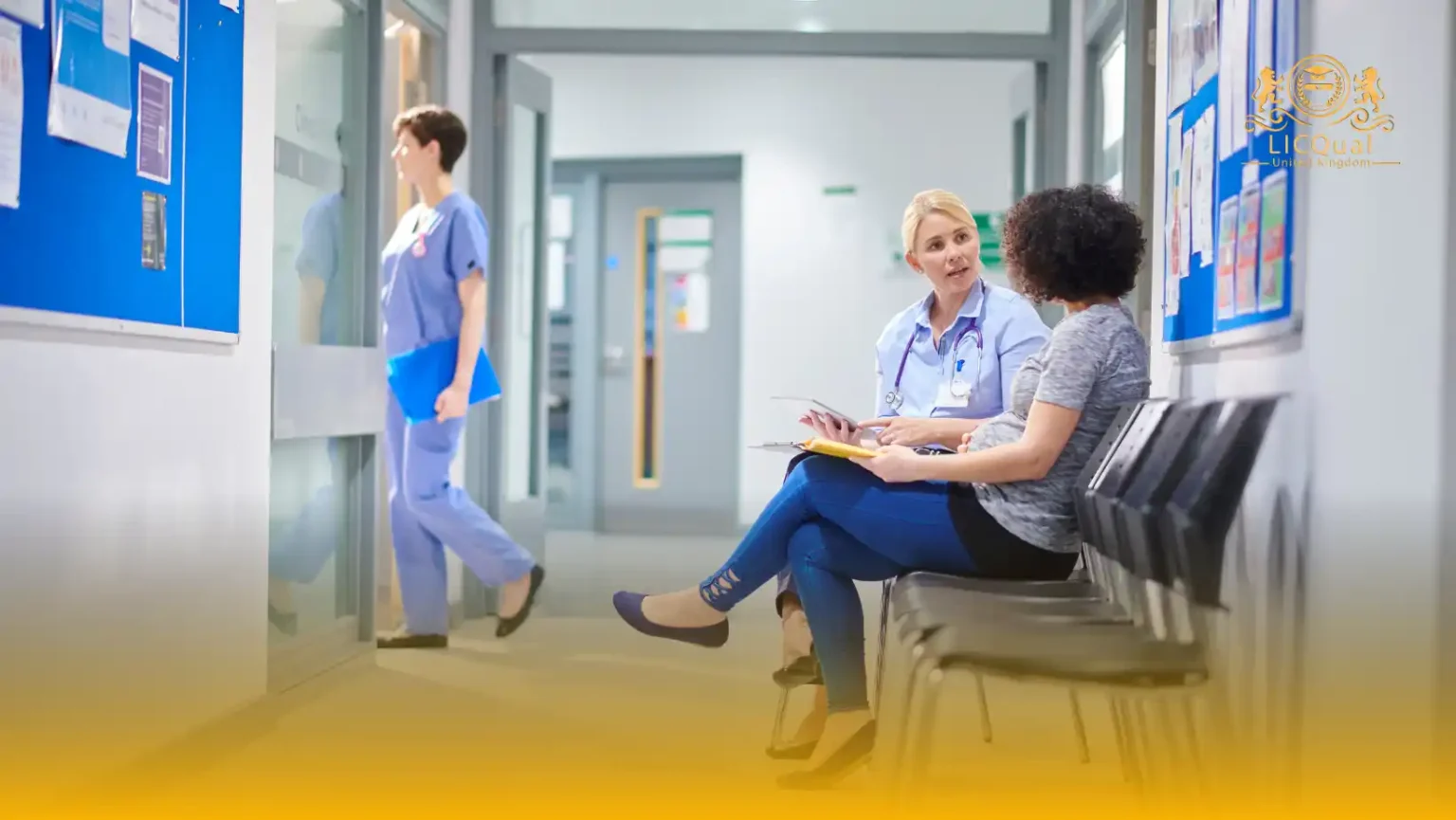
Are you ready to take your medical career to the next level? The LICQual Level 3 Diploma in Clinical Toxicology (Dip Clinical Toxicology) is designed for healthcare professionals who want to gain specialized knowledge in the science of poisons, toxins, and their impact on human health. This internationally recognized qualification provides a solid foundation in clinical toxicology training, combining academic excellence with practical application.
Unlike generic medical courses, this Level 3 Clinical Toxicology diploma focuses on real‑world scenarios—helping doctors, nurses, pharmacists, and allied health professionals understand toxic exposures, poisoning management, and evidence‑based treatment strategies. With flexible online learning, you can study at your own pace while earning an accredited Clinical Toxicology diploma that is respected worldwide.
What makes this program stand out is its balance of theory and practice. The Dip Clinical Toxicology course online is structured to meet global healthcare standards, ensuring you gain skills that are immediately applicable in hospitals, emergency medicine, and public health settings. Whether you are looking to advance your career with a Clinical Toxicology diploma or seeking a qualification that enhances your credibility, this program delivers both recognition and practical expertise.
The LICQual Clinical Toxicology qualification is ideal for professionals who want to specialize in toxicology without compromising their current commitments. With affordable tuition fees, international accreditation, and a curriculum designed by experts, it is a smart investment in your future.
Course Overview
Qualification Title
LICQual Level 3 Diploma in Clinical Toxicology (Dip Clinical Toxicology)
Total Units
6
Total Credits
60
GLH
240
Qualification #
LICQ2201178
Qualification Specification
To enroll in the LICQual Level 3 Diploma in Clinical Toxicology (Dip Clinical Toxicology), applicants must meet the following criteria:
|
Qualification# |
Unit Title |
Credits |
GLH |
|---|---|---|---|
|
LICQ2201178-1 |
Fundamentals of Clinical Toxicology |
10 |
40 |
|
LICQ2201178-2 |
Pharmacology and Mechanisms of Toxicity |
10 |
40 |
|
LICQ2201178-3 |
Clinical Assessment and Diagnosis of Toxic Exposures |
10 |
40 |
|
LICQ2201178-4 |
Management and Treatment of Toxicological Emergencies |
10 |
40 |
|
LICQ2201178-5 |
Laboratory Techniques and Analytical Methods in Toxicology |
10 |
40 |
|
LICQ2201178-6 |
Professional Practice, Ethics, and Continuing Development |
10 |
40 |
By the end of this course, learners will be able to:
Unit 1: Fundamentals of Clinical Toxicology (10 Credits, 40 GLH)
By the end of this unit, learners will be able to:
- Explain the core principles of toxicology and their relevance to clinical practice.
- Identify different types of toxins and their effects on human physiology.
- Analyse the pathways through which toxins enter and affect the body.
- Apply foundational knowledge of toxicology to real-world clinical scenarios.
Unit 2: Pharmacology and Mechanisms of Toxicity (10 Credits, 40 GLH)
By the end of this unit, learners will be able to:
- Explain the pharmacokinetics and pharmacodynamics of toxic substances.
- Analyse mechanisms of toxicity and their impact on biological systems.
- Evaluate factors influencing the severity and outcomes of toxic exposure.
- Apply pharmacological principles to support clinical toxicology decision-making.
Unit 3: Clinical Assessment and Diagnosis of Toxic Exposures (10 Credits, 40 GLH)
By the end of this unit, learners will be able to:
- Demonstrate methods for assessing and diagnosing toxic exposure in patients.
- Analyse clinical signs, symptoms, and laboratory findings to identify toxins.
- Apply risk assessment and triage principles in clinical toxicology cases.
- Evaluate diagnostic approaches to improve patient care and safety.
Unit 4: Management and Treatment of Toxicological Emergencies (10 Credits, 40 GLH)
By the end of this unit, learners will be able to:
- Explain protocols for managing acute and chronic toxic exposures.
- Apply emergency interventions and treatment strategies in clinical scenarios.
- Analyse the effectiveness of different treatment approaches for toxicological cases.
- Demonstrate knowledge of patient safety, monitoring, and follow-up procedures.
Unit 5: Laboratory Techniques and Analytical Methods in Toxicology (10 Credits, 40 GLH)
By the end of this unit, learners will be able to:
- Demonstrate essential laboratory techniques for detecting and analysing toxins.
- Apply analytical methods to accurately interpret toxicology test results.
- Evaluate laboratory findings to support clinical decision-making.
- Implement laboratory safety and quality assurance standards in toxicology practice.
Unit 6: Professional Practice, Ethics, and Continuing Development (10 Credits, 40 GLH)
By the end of this unit, learners will be able to:
- Demonstrate a commitment to Continuing Professional Development (CPD) in clinical toxicology.
- Apply ethical principles and scientific integrity in professional practice.
- Reflect on personal skills, strengths, and areas for improvement.
- Develop a professional development plan to support career progression in clinical toxicology.
The LICQual Level 3 Diploma in Clinical Toxicology (Dip Clinical Toxicology) is designed for healthcare professionals and students who want to build expertise in toxicology and poisoning management. This internationally accredited qualification is ideal for those seeking career advancement, specialized knowledge, and global recognition. Whether you are a doctor, nurse, pharmacist, or public health practitioner, this diploma provides the skills and confidence to handle complex toxicological cases effectively.
1. Medical Doctors and Physicians
- Enhance clinical toxicology knowledge for emergency and hospital practice
- Gain accredited qualification to strengthen professional credibility
- Learn evidence‑based poisoning management strategies
- Improve career prospects with international recognition
- Apply toxicology skills directly in patient care settings
2. Nurses and Emergency Care Professionals
- Build expertise in handling toxic exposures and poisoning cases
- Strengthen qualifications with a Level 3 Clinical Toxicology diploma
- Learn practical approaches for patient safety and treatment
- Access flexible online learning while working full‑time
- Advance career opportunities in hospitals and clinics
3. Pharmacists and Pharmaceutical Experts
- Understand drug toxicity and safe medication practices
- Earn an accredited Clinical Toxicology diploma for career growth
- Apply toxicology principles in pharmaceutical and clinical settings
- Gain international recognition for specialized knowledge
- Improve patient counseling and safety outcomes
4. Public Health Specialists
- Learn toxicology’s role in community health and safety
- Strengthen qualifications with global accreditation
- Apply toxicology knowledge in public health programs
- Enhance career opportunities in government and NGOs
- Contribute to safer healthcare policies and practices
5. Medical Students and Graduates
- Build a strong foundation in clinical toxicology early in career
- Earn a recognized qualification to stand out in job markets
- Gain practical skills for hospital and emergency medicine
- Access affordable online toxicology diploma programs
- Prepare for advanced studies and specialization
6. Occupational Health and Safety Professionals
- Understand workplace toxic exposures and prevention strategies
- Earn international recognition with a Clinical Toxicology qualification
- Apply toxicology knowledge in industrial and corporate settings
- Strengthen career prospects in occupational health management
- Contribute to safer work environments globally
7. International Healthcare Practitioners
- Access globally accredited toxicology training online
- Earn recognition across multiple healthcare systems
- Learn flexible, career‑focused toxicology skills
- Enhance qualifications for migration and international practice
- Join a global community of toxicology professionals
Centres delivering the LICQual Level 3 Diploma in Clinical Toxicology (Dip Clinical Toxicology) must meet specific standards to ensure high-quality training, learner success, and professional credibility. Key requirements include:
- Qualified and Competent Staff: Tutors, assessors, and internal quality assurers must hold relevant qualifications and have professional experience in clinical toxicology, healthcare, or related scientific fields.
- Learning Resources: Centres must provide access to up-to-date study materials, laboratory equipment, research references, and digital learning platforms to support effective learner engagement.
- Practical and Laboratory Facilities: Safe, fully equipped laboratories and practical training spaces must be available to ensure hands-on learning and compliance with health and safety standards.
- Assessment and Quality Assurance: Centres should implement robust assessment procedures, internal verification, and secure record-keeping to maintain transparency and reliability of learner outcomes.
- Commitment to CPD: Teaching and assessment staff must actively engage in Continuing Professional Development (CPD) to maintain current knowledge and best practices in clinical toxicology.
- Policies and Procedures: Centres must have clear policies on equality, diversity, safeguarding, and learner support, fostering a professional and inclusive learning environment.
- Technology and Accessibility: Centres must provide learners with access to IT facilities, e-learning tools, and online support for blended or distance learning delivery.
By meeting these requirements, centres provide a high-quality learning environment that equips learners with the knowledge, skills, and practical experience needed to succeed in clinical toxicology and healthcare sectors.
Assessment and Verification
All units within this qualification are subject to internal assessment by the approved centre and external verification by LICQual. The qualification follows a criterion-referenced assessment approach, ensuring that learners meet all specified learning outcomes.
To achieve a ‘Pass’ in any unit, learners must provide valid, sufficient, and authentic evidence demonstrating their attainment of all learning outcomes and compliance with the prescribed assessment criteria. The Assessor is responsible for evaluating the evidence and determining whether the learner has successfully met the required standards.
Assessors must maintain a clear and comprehensive audit trail, documenting the basis for their assessment decisions to ensure transparency, consistency, and compliance with quality assurance requirements.