
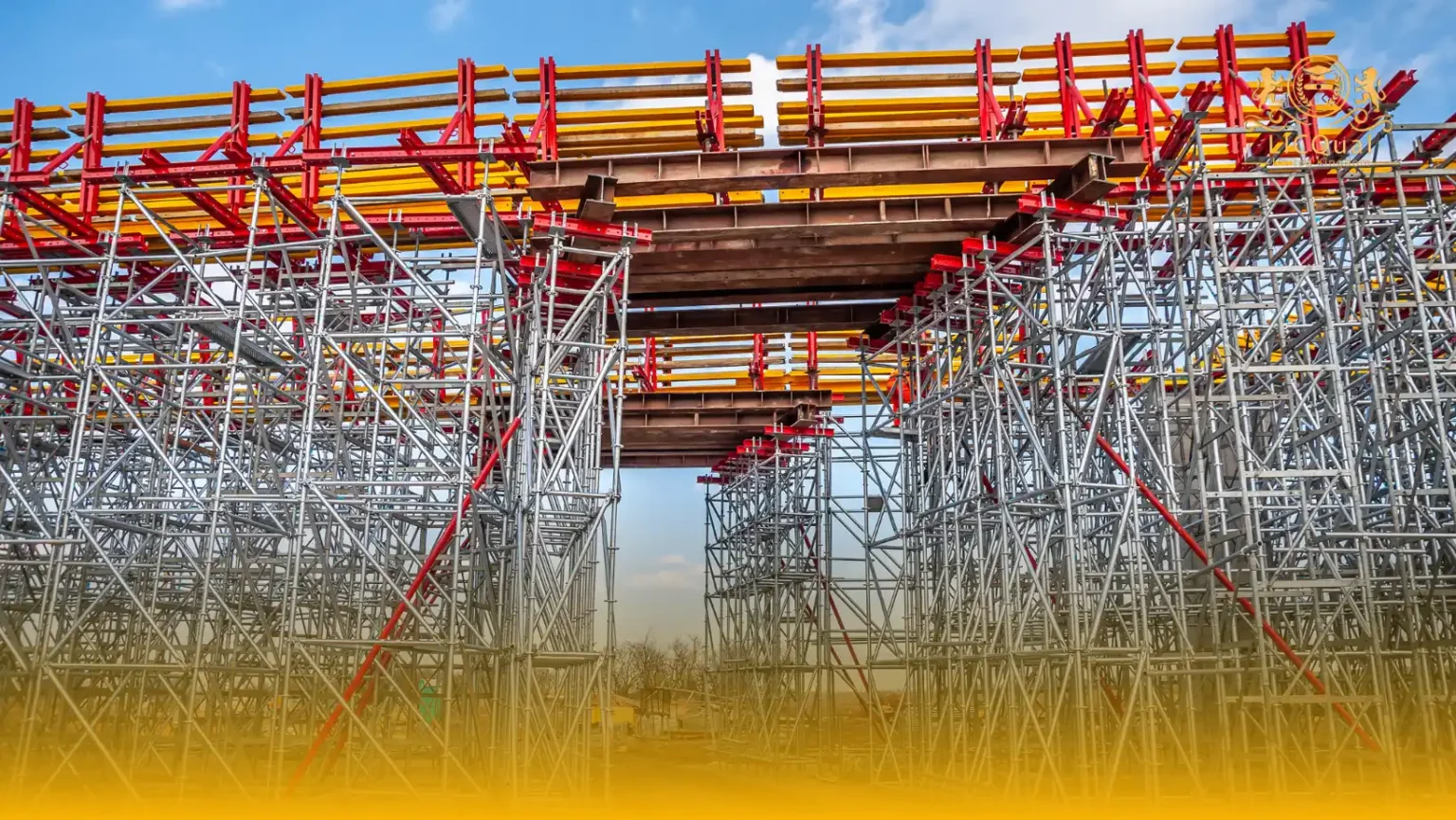
Supporting Structures (SUP)
The LICQual Level 3 Certificate in Supporting Structures (SUP) is a globally recognized qualification designed to provide learners with advanced knowledge and practical skills in assessing, managing, and maintaining supporting structures across industrial and construction environments. Learners gain expertise in scaffolding, temporary frameworks, rigging setups, and load-bearing assemblies, with a focus on structural integrity, safety, and compliance with international standards.
The course covers fundamental principles of structural support systems, including material properties, load distribution, stress factors, and design considerations. Learners develop skills in conducting risk assessments, performing inspections, identifying structural weaknesses, and applying safety protocols during setup, use, and dismantling of support frameworks.
Combining theoretical study with hands-on exercises and real-world case applications, the programme ensures learners can apply engineering principles and safety standards effectively. On completion, learners acquire a respected credential that enhances professional competence, operational efficiency, and workplace credibility in structural support management.
Course Overview
Qualification Title
LICQual Level 3 Certificate in Supporting Structures (SUP)
Total Units
6
Total Credits
24
GLH
120
Qualification #
LICQ2200533
Qualification Specification
To enroll in the LICQual Level 3 Certificate in Supporting Structures(SUP),applicants must meet the following criteria:
|
Qualification# |
Unit Title |
Credits |
GLH |
|---|---|---|---|
|
LICQ2200533-1 |
Principles of Supporting Structures |
4 |
20 |
|
LICQ2200533-2 |
Materials and Components in Supporting Structures |
4 |
20 |
|
LICQ2200533-3 |
Installation and Erection Techniques |
4 |
20 |
|
LICQ2200533-4 |
Health and Safety in Supporting Structure Operations |
4 |
20 |
|
LICQ2200533-5 |
Inspection, Maintenance, and Quality Control |
4 |
20 |
|
LICQ2200533-6 |
Legal, Environmental, and Regulatory Compliance |
4 |
20 |
By the end of this course, applicants will be able to:
1. Principles of Supporting Structures
- Explain the fundamental concepts and types of supporting structures used in construction.
- Analyze load distribution and structural stability in various support frameworks.
- Apply international design standards such as Eurocodes and ISO to supporting structures.
2. Materials and Components in Supporting Structures
- Identify different materials used in supporting structures and describe their properties.
- Select appropriate materials and components based on project requirements and standards.
- Demonstrate safe handling and storage practices for supporting structure materials.
3. Installation and Erection Techniques
- Perform installation and erection of supporting structures following industry best practices.
- Apply safe working methods compliant with OSHA, BS EN, and ANSI standards.
- Adapt erection techniques to site-specific conditions and challenges.
4. Health and Safety in Supporting Structure Operations
- Conduct risk assessments and identify hazards related to supporting structure work.
- Implement health and safety procedures to minimize risks on site.
- Comply with international occupational health and safety standards such as ISO 45001.
5. Inspection, Maintenance, and Quality Control
- Carry out routine inspections to assess the condition and safety of supporting structures.
- Identify maintenance needs and perform necessary corrective actions.
- Ensure quality control in line with ISO 17020 and BS 5975 standards.
6. Legal, Environmental, and Regulatory Compliance
- Summarize the legal responsibilities and regulatory requirements for supporting structures.
- Maintain accurate documentation and certification as required by industry regulations.
- Apply sustainable and environmentally responsible practices during supporting structure operations.
This course is designed for professionals and newcomers who want to deepen their expertise and gain a recognized qualification in supporting structures within the construction and industrial sectors. It is ideal for:
- Construction Supervisors and Site Managers who oversee supporting structure installations and want to ensure safety and compliance on site.
- Scaffolders, Shorers, and Formwork Specialists seeking to formalize their skills and improve their knowledge of advanced techniques and safety standards.
- Civil Engineers and Structural Technicians looking to expand their practical understanding of supporting frameworks and load management.
- Health and Safety Officers responsible for monitoring structural integrity and implementing safety protocols related to temporary or permanent supports.
- New Entrants to the Construction Industry aiming to build a solid foundation in supporting structure principles and practices to kick-start their careers.
- Maintenance and Inspection Personnel who need to develop competency in assessing and maintaining the safety and quality of supporting structures.
Whether you’re looking to progress your career, improve site safety, or gain a professional edge in a competitive industry, this course provides the essential knowledge and skills to succeed.
Assessment and Verification
All units within this qualification are subject to internal assessment by the approved centre and external verification by LICQual. The qualification follows a criterion-referenced assessment approach, ensuring that learners meet all specified learning outcomes.
To achieve a ‘Pass’ in any unit, learners must provide valid, sufficient, and authentic evidence demonstrating their attainment of all learning outcomes and compliance with the prescribed assessment criteria. The Assessor is responsible for evaluating the evidence and determining whether the learner has successfully met the required standards.
Assessors must maintain a clear and comprehensive audit trail, documenting the basis for their assessment decisions to ensure transparency, consistency, and compliance with quality assurance requirements.