
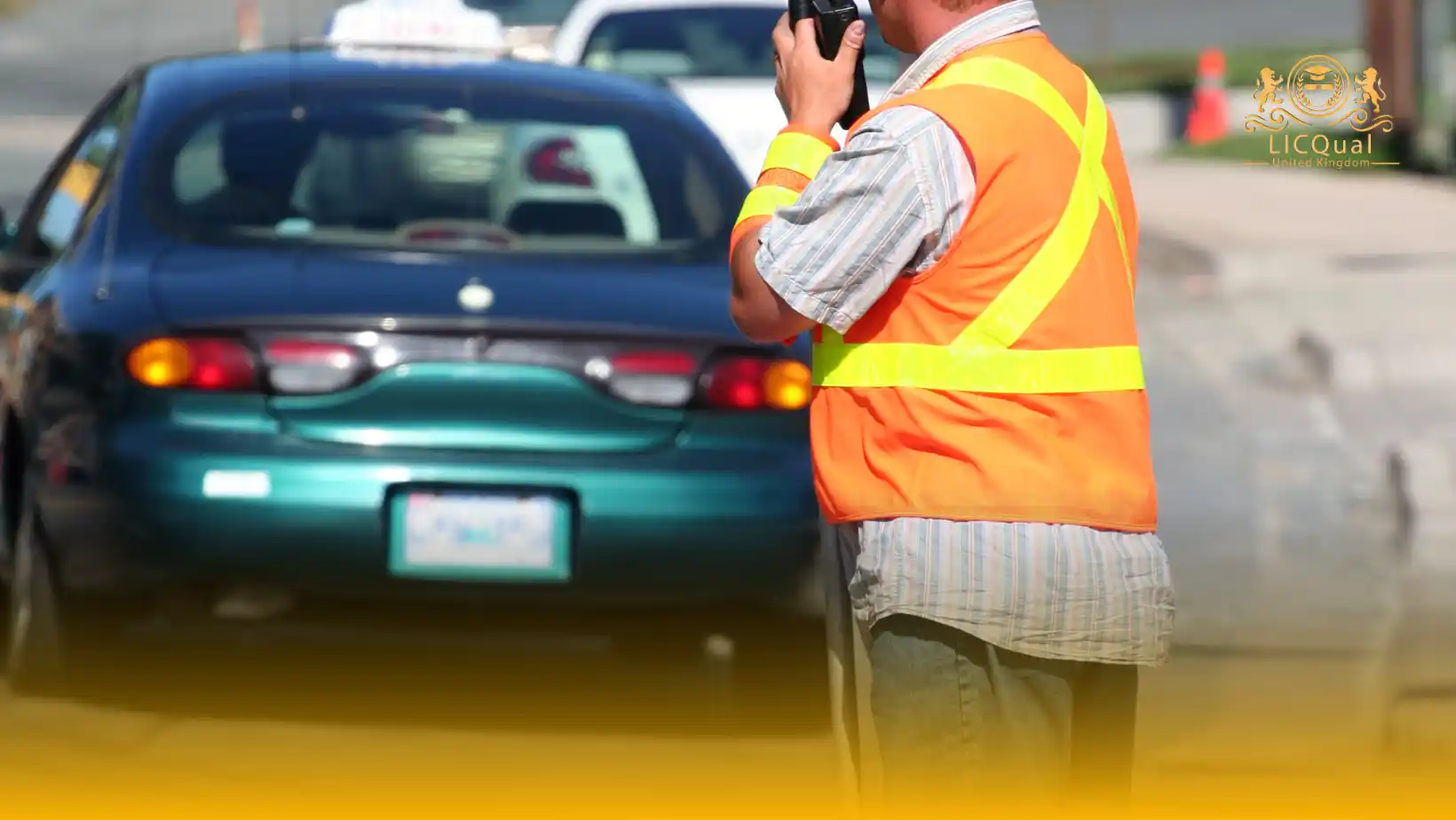
Signalman
The LICQual Level 3 Certificate in Signalman provides advanced professional training in railway signaling, operational management, and safety-critical procedures. The course enables the learner to develop in-depth knowledge and practical skills required to manage complex signaling systems and coordinate train movements efficiently. The learner gains structured understanding of advanced traffic control, signaling equipment operation, and safety compliance aligned with current railway standards.
The programme equips the learner with expertise in supervising signaling operations, maintaining equipment, and implementing emergency response protocols in high-pressure environments. The learner also develops competence in effective communication, decision-making, and operational coordination within regulated railway networks.
Through a combination of theoretical instruction, practical exercises, and scenario-based training, the learner strengthens problem-solving, situational awareness, and leadership skills essential for advanced signalman responsibilities. Upon completion, the learner demonstrates professional capability in managing intricate signaling operations, ensuring safe and efficient train movement, and upholding industry-standard safety and regulatory requirements.
Course Overview
Qualification Title
LICQual Level 3 Certificate in Signalman
Total Units
6
Total Credits
24
GLH
120
Qualification #
LICQ2200232
Qualification Specification
To enroll in the LICQual Level 3 Certificate in Signalman, applicants must meet the following criteria:
|
Qualification# |
Unit Title |
Credits |
GLH |
|---|---|---|---|
|
LICQ2200232-1 |
Advanced Signalman Roles and Responsibilities |
4 |
20 |
|
LICQ2200232-2 |
Complex Signaling Systems and Equipment |
4 |
20 |
|
LICQ2200232-3 |
Health, Safety, and Risk Management for Signalmen |
4 |
20 |
|
LICQ2200232-4 |
Coordinating and Managing Signaling Operations |
4 |
20 |
|
LICQ2200232-5 |
Emergency Procedures and Response for Signalmen |
4 |
20 |
|
LICQ2200232-6 |
Advanced Traffic Management and Control |
4 |
20 |
By the end of this course, learners will be able to:
Advanced Signalman Roles and Responsibilities
- Understand and describe the advanced roles and responsibilities of a signalman, including supervisory and leadership tasks.
- Demonstrate the ability to manage complex signaling operations while ensuring safety and efficiency in train movements.
- Take responsibility for managing operational teams, ensuring proper delegation and communication across signaling staff.
Complex Signaling Systems and Equipment
- Gain in-depth knowledge of complex signaling systems and their components, including the latest technology and equipment used in modern railway operations.
- Demonstrate the ability to troubleshoot, operate, and maintain signaling equipment to ensure safe and continuous operation.
- Understand the integration of signaling systems with train control and communication networks for effective train management.
Health, Safety, and Risk Management for Signalmen
- Identify and evaluate risks associated with signaling operations and implement strategies to mitigate these risks.
- Understand and apply relevant health and safety regulations and protocols to maintain a safe working environment.
- Conduct risk assessments and emergency preparedness plans to respond to safety hazards in the signaling environment.
Coordinating and Managing Signaling Operations
- Effectively coordinate multiple signaling operations, ensuring smooth communication and safe management of train movements.
- Demonstrate the ability to prioritize and manage complex train schedules, optimizing operational efficiency.
- Work collaboratively with other railway departments to ensure all aspects of signaling operations run seamlessly.
Emergency Procedures and Response for Signalmen
- Understand and apply emergency response protocols in the event of signaling failures, accidents, or other critical incidents.
- Demonstrate the ability to manage emergency situations swiftly and effectively, minimizing risk and ensuring the safety of personnel and passengers.
- Coordinate with other emergency services and departments to ensure effective incident response and resolution.
Advanced Traffic Management and Control
- Master advanced traffic control techniques to efficiently manage train flows, minimize delays, and prevent conflicts in high-traffic environments.
- Utilize sophisticated tools and methods for managing train schedules, optimizing resources, and reducing operational disruptions.
- Understand and implement strategies for managing complex train routes and networks, ensuring the safe and efficient operation of the railway system.
This diploma is ideal for:
Assessment and Verification
All units within this qualification are subject to internal assessment by the approved centre and external verification by LICQual. The qualification follows a criterion-referenced assessment approach, ensuring that learners meet all specified learning outcomes.
To achieve a ‘Pass’ in any unit, learners must provide valid, sufficient, and authentic evidence demonstrating their attainment of all learning outcomes and compliance with the prescribed assessment criteria. The Assessor is responsible for evaluating the evidence and determining whether the learner has successfully met the required standards.
Assessors must maintain a clear and comprehensive audit trail, documenting the basis for their assessment decisions to ensure transparency, consistency, and compliance with quality assurance requirements.