
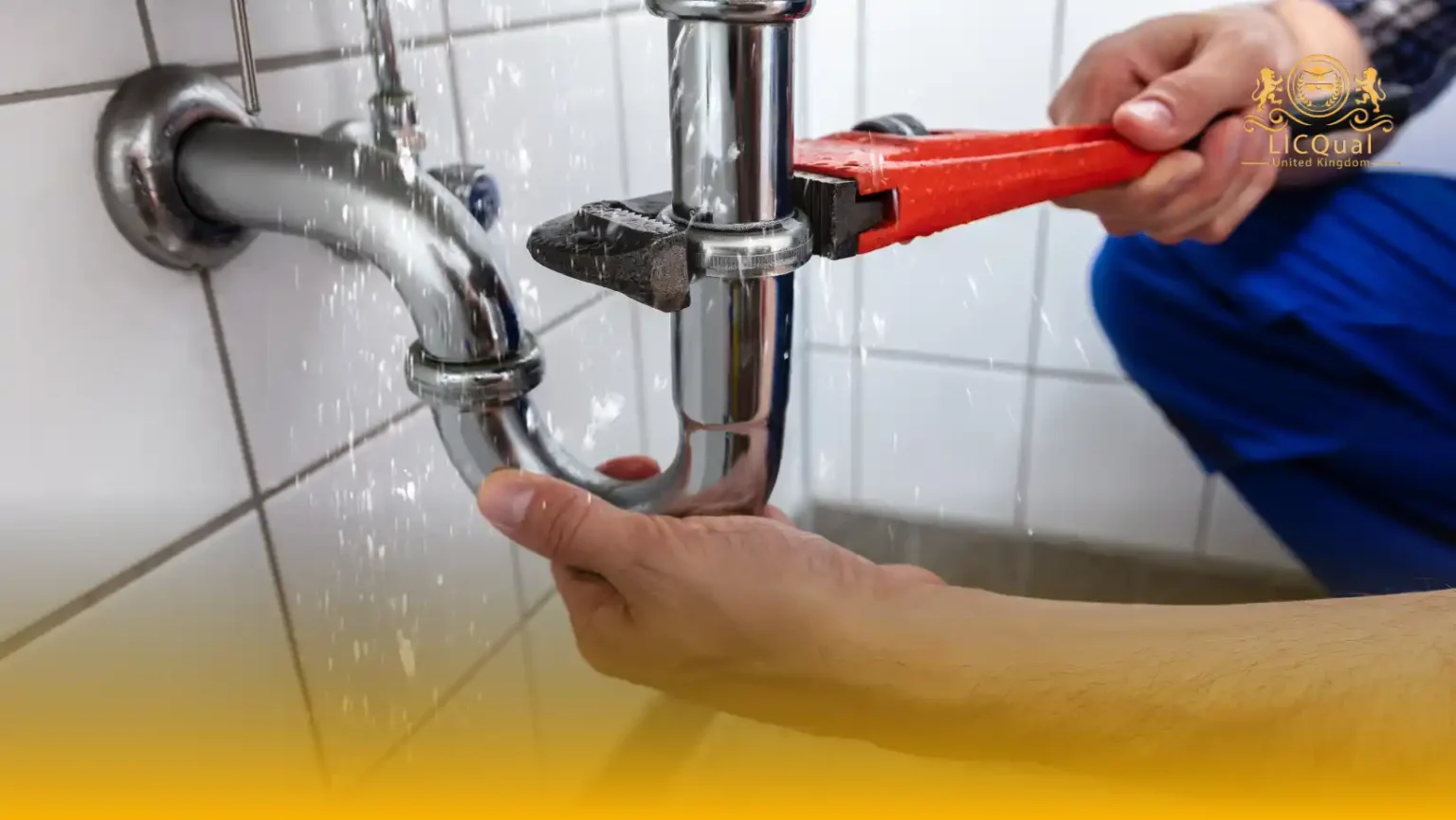
QC Piping Inspector
The LICQual Level 3 Certificate in QC Piping Inspector equips learners with the essential knowledge and skills to excel in quality control inspection of piping systems across energy, construction, petrochemical, and manufacturing industries. This course provides learners with a comprehensive foundation in piping system components, material selection, and inspection techniques, including visual inspections, basic non-destructive testing (NDT), and compliance with international standards such as ASME, API, and ISO.
Learners gain experience through case studies, real-world simulations, and hands-on exercises, developing expertise in health, safety, and environmental practices, slinging and lifting operations, and risk assessment. The course emphasizes quality assurance, defect identification, and project compliance, enabling learners to implement robust QA/QC procedures and maintain operational reliability.
Flexible learning options allow learners to balance study with professional commitments. Upon completion, learners earn a globally recognized LICQual Level 3 Certificate, validating their proficiency and preparing them for critical roles in piping quality control projects worldwide.
Course Overview
Qualification Title
LICQual Level 3 Certificate in QC Piping Inspector
Total Units
6
Total Credits
24
GLH
120
Qualification #
LICQ2200543
Qualification Specification
To enroll in the LICQual Level 3 Certificate in QC Piping Inspector applicants must meet the following criteria:
|
Qualification# |
Unit Title |
Credits |
GLH |
|---|---|---|---|
|
LICQ2200543-1 |
Fundamentals of Piping Systems and Inspection Principles |
4 |
20 |
|
LICQ2200543-2 |
Introduction to Piping Materials, Fittings, and Components |
4 |
20 |
|
LICQ2200543-3 |
Basics of Welding Processes and Joint Inspection |
4 |
20 |
|
LICQ2200543-4 |
Piping Drawings, Symbols, and Isometric Reading |
4 |
20 |
|
LICQ2200543-5 |
Visual Inspection Techniques and Defect Identification |
4 |
20 |
|
LICQ2200543-6 |
Safety, Health, and Environmental Considerations in Piping Inspection |
4 |
20 |
By the end of this course, applicants will be able to:
1. Fundamentals of Piping Systems and Inspection Principles
- Explain the core components and functions of piping systems in industries such as oil and gas, petrochemicals, and construction.
- Describe the principles of quality control inspection and their importance in ensuring the safety and reliability of piping systems.
- Identify the roles and responsibilities of a QC piping inspector in maintaining compliance with project and industry standards.
- Apply basic inspection methodologies to monitor and verify the quality of piping systems during installation and operation.
2. Introduction to Piping Materials, Fittings, and Components
- Identify common piping materials, fittings, and components, such as pipes, valves, and flanges, and their applications in various industries.
- Explain the properties of piping materials (e.g., carbon steel, stainless steel) and their suitability for specific environmental and operational conditions.
- Assess the quality of fittings and components to ensure they meet project specifications and industry standards.
- Demonstrate knowledge of material selection processes to support effective quality control in piping inspections.
3. Basics of Welding Processes and Joint Inspection
- Describe common welding processes used in piping systems, including TIG, MIG, and arc welding, and their impact on joint quality.
- Conduct inspections of welded joints to identify defects such as cracks, porosity, or incomplete fusion, ensuring compliance with quality standards.
- Apply basic welding inspection techniques to verify weld integrity and adherence to welding procedure specifications (WPS).
- Recommend corrective actions for weld imperfections to maintain the structural integrity of piping systems.
4. Piping Drawings, Symbols, and Isometric Reading
- Interpret piping drawings and isometric diagrams to identify components, dimensions, and specifications accurately.
- Recognize standard symbols and annotations used in piping drawings to support inspection and quality control processes.
- Apply isometric reading skills to verify the alignment and configuration of piping systems during inspections.
- Evaluate piping layouts against design drawings to ensure compliance with project requirements and quality standards.
5. Visual Inspection Techniques and Defect Identification
- Perform visual inspections of piping systems using appropriate tools and techniques to identify surface defects and non-conformities.
- Identify common piping defects, such as corrosion, misalignment, or surface cracks, and assess their impact on system performance.
- Document visual inspection findings accurately, including detailed reports on defects and recommended corrective actions.
- Apply industry best practices to ensure thorough and effective visual inspections in piping quality control.
6. Safety, Health, and Environmental Considerations in Piping Inspection
- Identify health, safety, and environmental (HSE) risks associated with piping inspection activities and implement mitigation strategies.
- Apply safe work practices during inspections to ensure a secure working environment for all personnel involved.
- Explain the environmental impact of piping operations and adopt sustainable practices to minimize waste and emissions.
- Ensure compliance with HSE regulations and industry standards to maintain a safe and environmentally responsible inspection process.
This course is designed for:
- Aspiring QC Piping Inspectors
Individuals seeking to enter the field of quality control inspection in piping systems across industries such as oil & gas, construction, and petrochemicals. - Technical and Engineering Students
Recent graduates or diploma holders in mechanical, industrial, or petroleum engineering who want to gain a specialized certification. - Welders, Pipe Fitters, and Fabricators
Skilled workers aiming to move into inspection and quality roles for better career opportunities and professional growth. - Site Technicians and Helpers
Field workers with basic experience in piping or mechanical works who want to formalize their knowledge through certification. - Supervisors and Foremen
On-site personnel responsible for monitoring piping installations and ensuring compliance with quality standards. - Quality Assistants and Trainees
Individuals already working in QA/QC departments who want to upgrade their qualifications and practical skills. - HSE Support Staff
Safety professionals who wish to integrate basic quality control knowledge into their safety practices. - Contractor and Vendor Staff
Employees of subcontractors or vendors involved in piping supply, fabrication, or erection, who require quality awareness. - Career Switchers
Individuals from other technical backgrounds looking to transition into the high-demand field of piping quality control. - Job Seekers for Gulf and International Projects
Candidates preparing for QA/QC roles abroad, especially in oil & gas and construction projects where certification is essential.
Assessment and Verification
All units within this qualification are subject to internal assessment by the approved centre and external verification by LICQual. The qualification follows a criterion-referenced assessment approach, ensuring that learners meet all specified learning outcomes.
To achieve a ‘Pass’ in any unit, learners must provide valid, sufficient, and authentic evidence demonstrating their attainment of all learning outcomes and compliance with the prescribed assessment criteria. The Assessor is responsible for evaluating the evidence and determining whether the learner has successfully met the required standards.
Assessors must maintain a clear and comprehensive audit trail, documenting the basis for their assessment decisions to ensure transparency, consistency, and compliance with quality assurance requirements.