
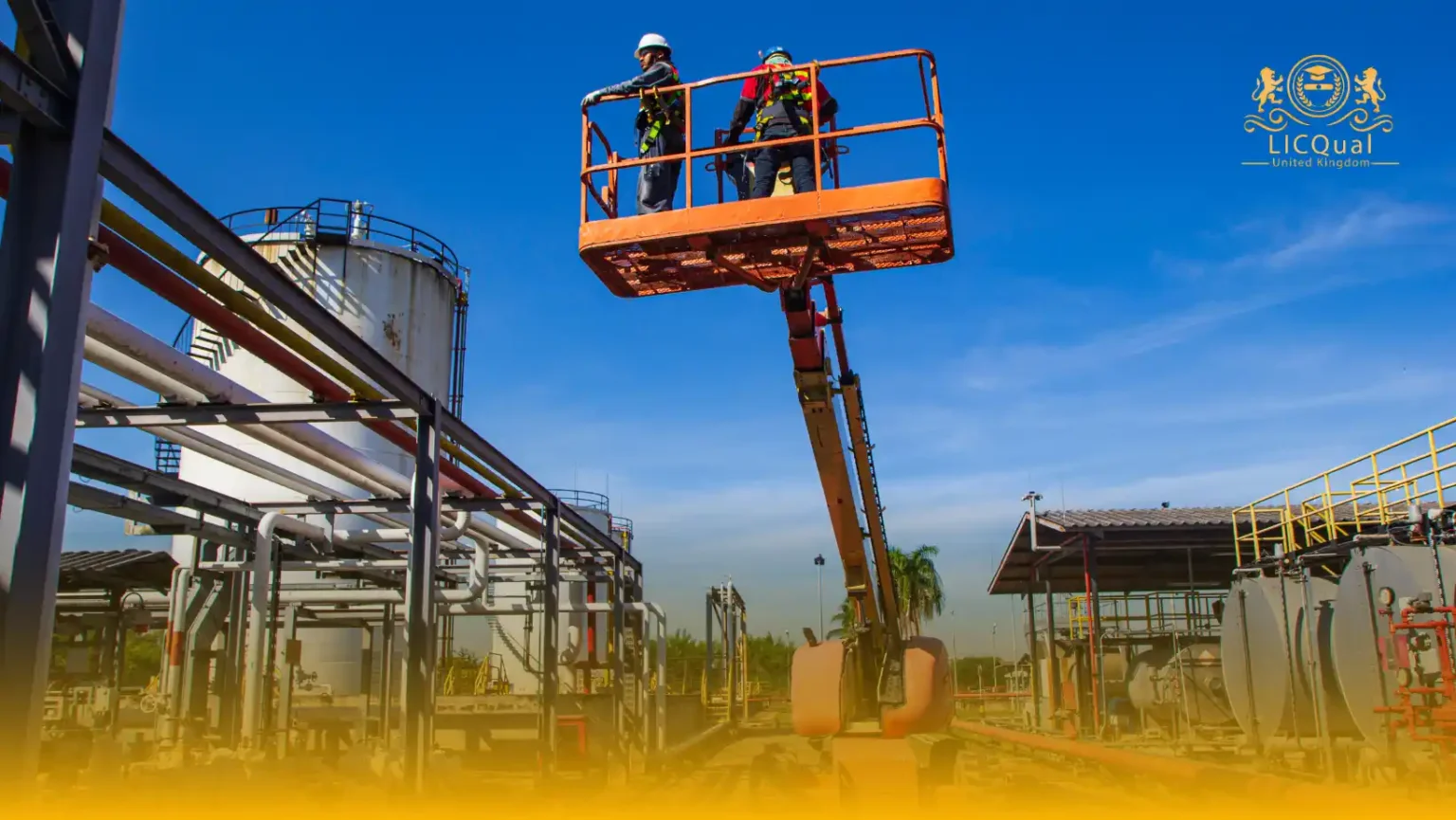
Powered Lifting Machines (PLM)
The LICQual Level 3 Certificate in Powered Lifting Machines (PLM) is a professional qualification designed to equip learners with advanced knowledge and practical skills to safely operate and manage powered lifting equipment. This course provides learners with expertise in forklifts, telehandlers, electric hoists, mobile elevated work platforms (MEWPs), and hydraulic lifting systems, covering essential topics such as machine functions, load capacity assessments, pre-use inspections, maintenance, and emergency procedures.
Learners will develop the ability to interpret lifting plans, perform risk assessments, identify mechanical faults, and apply correct load-handling techniques in diverse operational settings. The programme combines theoretical learning with hands-on practical training, ensuring learners gain real-world competence in efficient and safe lifting operations.
On completion, learners will possess the skills, confidence, and certification required to operate powered lifting machines safely, support workplace safety standards, and contribute to operational efficiency, positioning them for professional growth and compliance in the lifting and logistics industries.
Course Overview
Qualification Title
LICQual Level 3 Certificate in Powered Lifting Machines (PLM)
Total Units
6
Total Credits
24
GLH
120
Qualification #
LICQ2200532
Qualification Specification
To enroll in the LICQual Level 3 Certificate in Powered Lifting Machines (PLM) applicants must meet the following criteria:
|
Qualification# |
Unit Title |
Credits |
GLH |
|---|---|---|---|
|
LICQ2200532-1 |
Health and Safety in Powered Lifting Operations |
4 |
20 |
|
LICQ2200532-2 |
Principles of Powered Lifting Machines and Equipment |
4 |
20 |
|
LICQ2200532-3 |
Operational Techniques and Load Handling |
4 |
20 |
|
LICQ2200532-4 |
Maintenance, Inspection, and Pre-Use Checks |
4 |
20 |
|
LICQ2200532-5 |
Communication and Coordination During Lifting Operations |
4 |
20 |
|
LICQ2200532-6 |
Legal, Regulatory, and Environmental Compliance |
4 |
20 |
By the end of this course, applicants will be able to:
1. Health and Safety in Powered Lifting Operations
Explain key health and safety legislation and regulations relevant to powered lifting machinery.
Identify workplace hazards and conduct risk assessments specific to lifting operations.
Apply safe working practices to prevent accidents and ensure operator and bystander safety.
2. Principles of Powered Lifting Machines and Equipment
Describe the main types and components of powered lifting machines.
Interpret load charts and determine the safe lifting capacity of equipment.
Assess machine stability and configuration requirements for different lifting tasks.
3. Operational Techniques and Load Handling
Demonstrate correct procedures for loading, securing, and transporting loads safely.
Operate powered lifting machines efficiently following industry best practices.
Adapt lifting techniques to various environmental and site conditions.
4. Maintenance, Inspection, and Pre-Use Checks
Conduct pre-use inspections and identify common mechanical faults or safety issues.
Perform routine maintenance tasks in line with manufacturer and regulatory guidelines.
Document inspection findings and report defects or hazards appropriately.
5. Communication and Coordination During Lifting Operations
Use standardized hand signals and communication methods to direct lifting operations.
Coordinate effectively with team members to ensure safe and smooth lifting activities.
Understand the roles and responsibilities of operators, signalers, and supervisors in lifting tasks.
6. Legal, Regulatory, and Environmental Compliance
Summarize legal requirements and operator licensing related to powered lifting machines.
Maintain accurate documentation for equipment inspections, certifications, and lifting plans.
Identify environmental impacts and implement practices to minimize negative effects during lifting operations.
The LICQual Level 3 Certificate in Powered Lifting Machines (PLM) is ideal for individuals who want to build or advance their career in the operation of powered lifting machinery. This includes:
- Current Machine Operators looking to formalize their skills and gain an industry-recognized qualification that enhances their professional credibility and job prospects.
- Supervisors and Site Managers who need a deeper understanding of powered lifting operations to ensure workplace safety and compliance with regulations.
- Safety Officers and Inspectors seeking comprehensive knowledge of powered lifting equipment and operational best practices to effectively oversee lifting tasks.
- New Entrants to the Industry who are motivated to develop practical skills and theoretical knowledge required for safe and efficient lifting machine operation.
- Workers in Construction, Warehousing, Logistics, and Manufacturing sectors aiming to improve their competence in powered lifting and increase their versatility on site.
Whether you are starting out or aiming to progress in your career, this course equips you with the essential skills and certification recognized by employers worldwide.
Assessment and Verification
All units within this qualification are subject to internal assessment by the approved centre and external verification by LICQual. The qualification follows a criterion-referenced assessment approach, ensuring that learners meet all specified learning outcomes.
To achieve a ‘Pass’ in any unit, learners must provide valid, sufficient, and authentic evidence demonstrating their attainment of all learning outcomes and compliance with the prescribed assessment criteria. The Assessor is responsible for evaluating the evidence and determining whether the learner has successfully met the required standards.
Assessors must maintain a clear and comprehensive audit trail, documenting the basis for their assessment decisions to ensure transparency, consistency, and compliance with quality assurance requirements.