
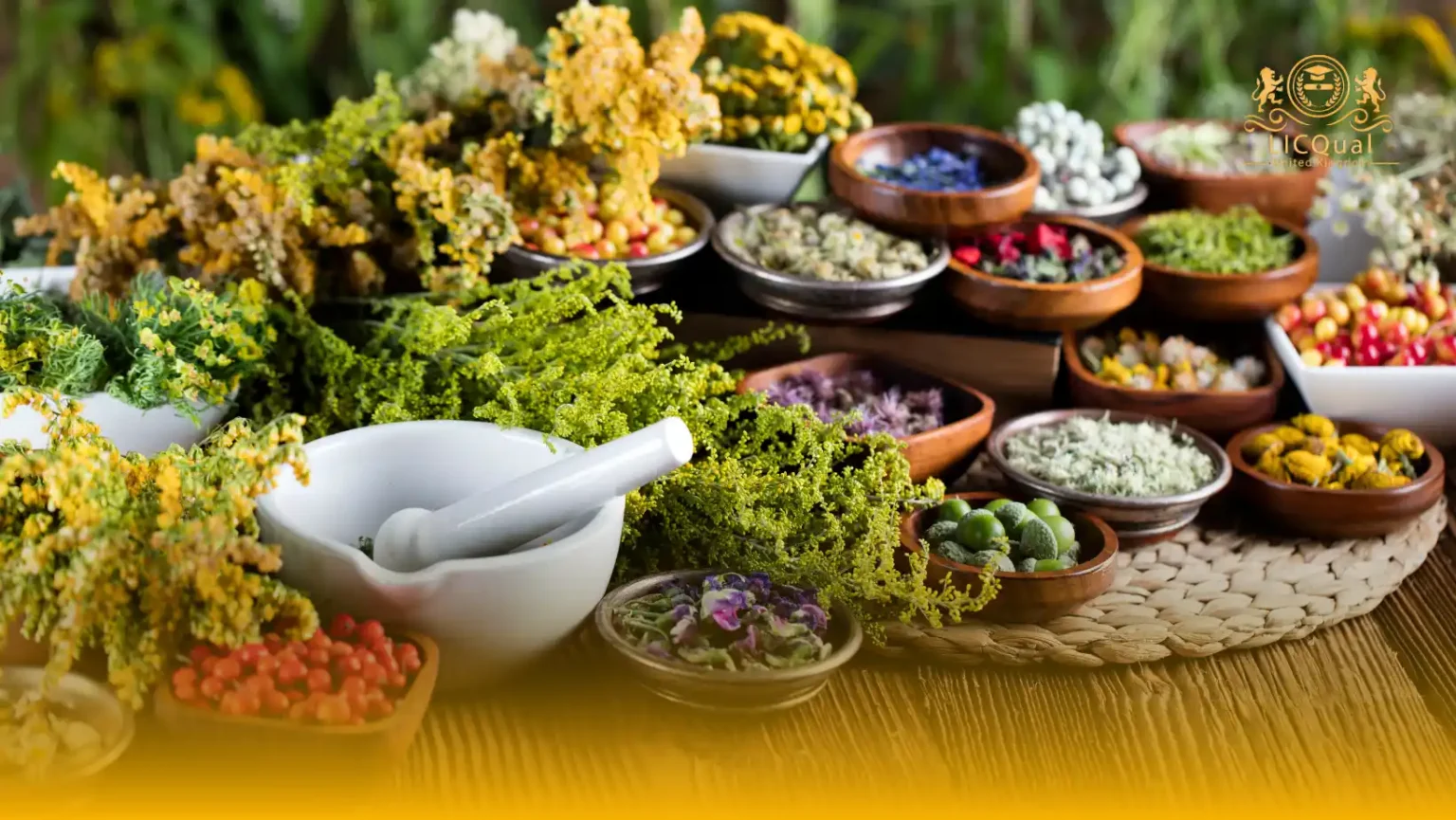
Natural products and herbal medicine have been at the heart of healthcare for centuries, offering safe, effective, and holistic approaches to wellness. The LICQual Level 3 Certificate in Natural Products and Herbal Medicine (Cert Natural Products and Herbal Medicine) is an internationally accredited qualification designed for healthcare professionals, pharmacists, and graduates who want to specialize in herbal remedies, phytotherapy, and evidence-based natural therapies. This program equips learners with the essential knowledge and practical skills needed to integrate herbal medicine into modern healthcare practice.
Unlike general healthcare courses, this Level 3 herbal medicine certification focuses specifically on the principles of natural product development, herbal pharmacology, and clinical applications of plant-based therapies. Learners will explore how herbal medicine supports patient care, from managing chronic conditions to promoting preventive health. Whether you are a practicing pharmacist, healthcare provider, or a graduate seeking advanced training, this course prepares you to deliver safe, effective, and scientifically validated herbal treatments.
The Cert Natural Products and Herbal Medicine qualification is not only academically rigorous but also career-focused. With accreditation and CPD credits, it ensures your learning is recognized globally, opening doors to international healthcare, pharmaceutical, and wellness industries. Delivered online, the program offers flexibility for busy professionals while maintaining the highest standards of quality and compliance.
By enrolling, you will benefit from an accredited herbal medicine and natural products course aligned with international standards, practical training in phytotherapy and evidence-based herbal practice, and a qualification that strengthens your professional profile. This internationally recognized herbal medicine diploma is designed to boost career progression and enhance your credibility in both healthcare and pharmaceutical sciences.
In today’s competitive healthcare environment, earning the LICQual Level 3 Certificate in Natural Products and Herbal Medicine sets you apart as a trusted expert in herbal medicine and natural therapies. It is more than a diploma—it is a pathway to leadership in natural healthcare, ensuring you stay ahead in a field where tradition, science, and patient trust truly matter.
Course Overview
Qualification Title
LICQual Level 3 Certificate in Natural Products and Herbal Medicine (Cert Natural Products and Herbal Medicine)
Total Units
6
Total Credits
24
GLH
120
Qualification #
LICQ2201149
Qualification Specification
To enroll in the LICQual Level 3 Certificate in Natural Products and Herbal Medicine (Cert Natural Products and Herbal Medicine), applicants must meet the following criteria:
|
Qualification# |
Unit Title |
Credits |
GLH |
|---|---|---|---|
|
LICQ2201149-1 |
Introduction to Natural Products and Herbal Medicine |
4 |
20 |
|
LICQ2201149-2 |
Classification and Pharmacological Properties of Herbal Medicines |
4 |
20 |
|
LICQ2201149-3 |
Preparation, Formulation, and Dosage of Herbal Remedies |
4 |
20 |
|
LICQ2201149-4 |
Safety, Toxicology, and Quality Control in Herbal Medicine |
4 |
20 |
|
LICQ2201149-5 |
Evidence-Based Practice and Research in Natural Products |
4 |
20 |
|
LICQ2201149-6 |
Emerging Trends and Continuing Professional Development in Herbal Medicine |
4 |
20 |
By the end of this course, learners will be able to:
Unit 1: Introduction to Natural Products and Herbal Medicine
Learners will be able to:
- Understand the historical and contemporary use of natural products and herbal medicines.
- Identify key concepts, terminology, and classifications within herbal medicine.
- Analyse the role of herbal medicines in healthcare, wellness, and alternative therapies.
- Demonstrate awareness of professional and ethical considerations in the use of herbal products.
Unit 2: Classification and Pharmacological Properties of Herbal Medicines
Learners will be able to:
- Classify natural products and herbal medicines according to therapeutic use and pharmacological activity.
- Explain the mechanisms of action and biochemical properties of common herbal remedies.
- Evaluate the efficacy of herbal medicines based on scientific evidence.
- Compare different classes of herbal products and their applications in healthcare.
Unit 3: Preparation, Formulation, and Dosage of Herbal Remedies
Learners will be able to:
- Apply principles of formulation for the safe and effective preparation of herbal products.
- Determine appropriate dosage forms and routes of administration for herbal medicines.
- Demonstrate practical skills in the preparation and handling of herbal formulations.
- Assess the impact of preparation methods on the stability and effectiveness of herbal remedies.
Unit 4: Safety, Toxicology, and Quality Control in Herbal Medicine
Learners will be able to:
- Identify potential safety concerns, toxicological risks, and contraindications in herbal medicines.
- Apply quality control measures to ensure the safety and efficacy of herbal products.
- Understand regulatory standards and best practices for herbal medicine safety.
- Evaluate case studies to identify and mitigate risks associated with herbal therapies.
Unit 5: Evidence-Based Practice and Research in Natural Products
Learners will be able to:
- Critically appraise research studies related to natural products and herbal medicine.
- Apply evidence-based findings to support safe and effective practice.
- Develop research questions and design simple research projects in herbal medicine.
- Interpret and communicate research findings to support informed healthcare decisions.
Unit 6: Emerging Trends and Continuing Professional Development in Herbal Medicine
Learners will be able to:
- Identify current trends, innovations, and challenges in herbal medicine and natural products.
- Understand the role of digital tools, databases, and technology in modern herbal research and practice.
- Develop strategies for Continuing Professional Development (CPD) to enhance knowledge and skills.
- Demonstrate reflective practice to support ongoing professional growth and evidence-based application of herbal therapies.
The LICQual Level 3 Certificate in Natural Products and Herbal Medicine (Cert Natural Products and Herbal Medicine) is designed for healthcare professionals, pharmacists, researchers, and graduates who want to specialize in herbal medicine, phytotherapy, and evidence-based natural therapies. This internationally accredited herbal medicine certification is ideal for those seeking CPD credits, career advancement, and recognition in global healthcare systems. Whether you are already practicing or planning to enter the field, this program equips you with the skills and qualifications to stand out in natural healthcare and pharmaceutical sciences.
1. Practicing Pharmacists
- Professionals aiming to expand into herbal medicine and natural therapies
- Interested in integrating herbal remedies into pharmaceutical practice
- Seeking accredited herbal medicine certification for career growth
- Looking to earn CPD credits recognized internationally
- Committed to improving patient outcomes through safe, evidence-based herbal care
2. Healthcare Professionals in Clinical Settings
- Doctors, nurses, and allied health staff working with herbal and natural products
- Those aiming to strengthen collaboration with pharmacy and wellness teams
- Professionals seeking structured training in herbal medicine and phytotherapy
- Interested in international healthcare qualifications for career progression
- Focused on enhancing patient safety and holistic treatment compliance
3. Pharmacy and Life Sciences Graduates
- Recent graduates seeking advanced herbal medicine certification
- Individuals preparing for international healthcare and pharmaceutical careers
- Looking to build expertise in natural product development and phytotherapy
- Interested in flexible online learning with accreditation
- Focused on boosting employability in competitive healthcare markets
4. International Herbal Medicine Practitioners
- Professionals seeking globally recognized herbal medicine qualifications
- Those aiming to meet international accreditation standards
- Interested in CPD credits for career advancement abroad
- Looking to expand knowledge in herbal pharmacology and natural therapies
- Committed to strengthening professional credibility worldwide
5. Clinical Researchers and Academics
- Researchers focusing on herbal medicine, phytotherapy, and natural product studies
- Academics seeking structured certification for teaching and training
- Professionals aiming to contribute to evidence-based herbal medicine research
- Interested in advanced methodologies for natural healthcare practice
- Looking to align with international healthcare education standards
6. Wellness and Alternative Medicine Practitioners
- Herbalists, naturopaths, and wellness coaches seeking formal accreditation
- Professionals aiming to integrate herbal medicine into holistic care programs
- Those seeking insights into evidence-based herbal therapies
- Interested in accreditation and compliance standards for natural healthcare
- Focused on strengthening credibility in wellness and alternative medicine
7. Professionals Seeking Career Advancement
- Individuals aiming for leadership roles in herbal medicine and pharmaceutical sciences
- Those wanting to stand out with accredited herbal medicine certification
- Interested in international recognition and CPD credits
- Looking for career growth in hospital, clinical, or academic settings
- Committed to lifelong learning and healthcare excellence
Centres delivering the LICQual Level 3 Certificate in Natural Products and Herbal Medicine (Cert Natural Products and Herbal Medicine) must meet high standards to ensure learners receive quality training, effective support, and compliance with international best practices. Key requirements include:
- Qualified and Experienced Staff: Trainers and assessors must hold relevant qualifications and professional experience in herbal medicine, natural products, healthcare, or related life sciences.
- Comprehensive Learning Resources: Centres must provide access to up-to-date textbooks, herbal reference guides, research journals, case studies, and digital resources relevant to natural products and herbal medicine.
- Facilities and Equipment: Centres should ensure classrooms, laboratories (if practical work is included), IT infrastructure, and online learning platforms are adequately equipped to support effective learning delivery.
- Assessment and Quality Assurance: Centres must implement robust assessment procedures, internal verification, and quality assurance systems to maintain high academic and professional standards.
- Learner Support Services: Academic guidance, mentoring, and career development support must be available to help learners achieve successful outcomes.
- Access to Technology: Learners must have access to computers, reliable internet connectivity, and online databases to support research, assignments, and practical projects.
- Compliance with Standards: Centres must adhere to LICQual policies, ensuring ethical training practices, learner safety, and regulatory compliance.
Meeting these requirements enables centres to deliver a high-quality learning experience, ensuring learners gain the knowledge, practical skills, and professional competence required to excel in herbal medicine, natural product therapy, and evidence-based healthcare practice.
Assessment and Verification
All units within this qualification are subject to internal assessment by the approved centre and external verification by LICQual. The qualification follows a criterion-referenced assessment approach, ensuring that learners meet all specified learning outcomes.
To achieve a ‘Pass’ in any unit, learners must provide valid, sufficient, and authentic evidence demonstrating their attainment of all learning outcomes and compliance with the prescribed assessment criteria. The Assessor is responsible for evaluating the evidence and determining whether the learner has successfully met the required standards.
Assessors must maintain a clear and comprehensive audit trail, documenting the basis for their assessment decisions to ensure transparency, consistency, and compliance with quality assurance requirements.