
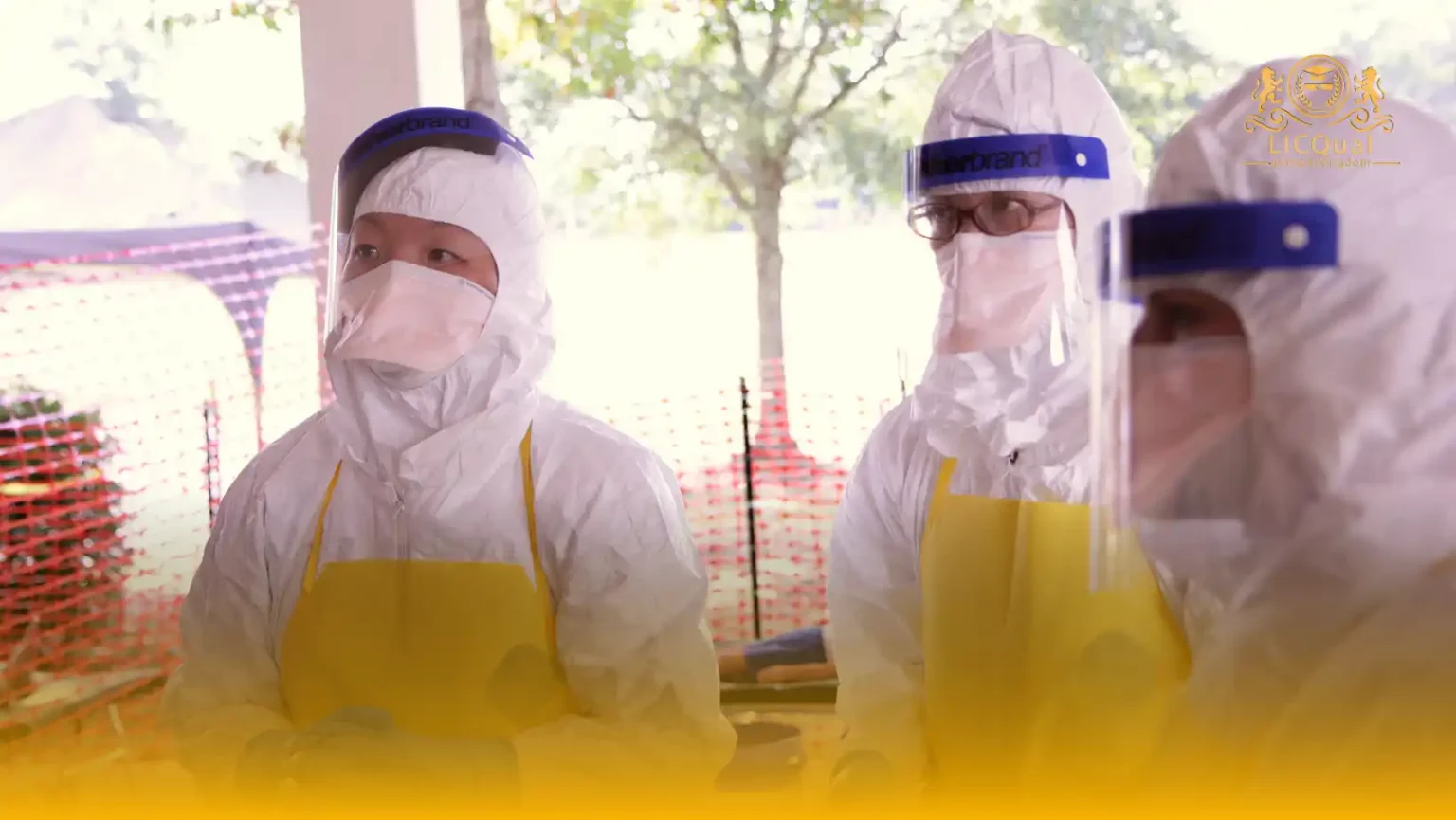
Are you a pharmacist, nurse, or healthcare professional looking to specialize in infection control and infectious disease management? The LICQual Level 3 Certificate in Infectious Diseases Pharmacy (Cert Infectious Diseases Pharmacy) is designed to provide you with the knowledge and skills needed to manage infectious disease medications safely and effectively. This professional certificate in infectious diseases pharmacy is ideal for those seeking career advancement in hospitals, community pharmacies, clinical settings, or research roles focused on infectious disease care.
This Cert Infectious Diseases Pharmacy online course offers a practical and hands-on approach to understanding antimicrobial therapies, infection prevention strategies, and advanced infectious diseases pharmacy practices. You will learn how to identify potential drug interactions, reduce adverse effects, and optimize treatment outcomes for patients affected by bacterial, viral, or other infectious conditions. The course is perfect for healthcare professionals who want to stay up to date with best practices in infectious disease pharmacy.
With a focus on advanced infectious diseases pharmacy training, the program covers critical areas such as antimicrobial stewardship, infection control, patient counseling, and clinical decision-making. From managing antibiotics and antiviral medications to monitoring adherence and safety, this course ensures you develop the confidence and competence to deliver high-quality pharmaceutical care. It is ideal for pharmacists seeking specialization, nurses supporting infectious disease teams, and clinical staff aiming to enhance their professional skills.
What sets this course apart is its friendly and conversational approach combined with evidence-based content that meets Google EEAT standards. The modules are designed to be approachable and easy to understand, providing practical knowledge that can be applied immediately in real-world settings. With the online infectious diseases pharmacy course for pharmacists, you can learn at your own pace while earning a recognized qualification that strengthens your career prospects.
By the end of this certification in infectious diseases pharmacy, you will have the expertise to manage infectious disease medications safely, provide effective patient counseling, and contribute to improved health outcomes. Whether you are pursuing professional development, continuing education, or career specialization, this course equips you with the skills and confidence needed to excel in the field of infectious diseases pharmacy.
Course Overview
Qualification Title
LICQual Level 3 Certificate in Infectious Diseases Pharmacy (Cert Infectious Diseases Pharmacy)
Total Units
6
Total Credits
24
GLH
120
Qualification #
LICQ2201137
Qualification Specification
To enroll in the LICQual Level 3 Certificate in Infectious Diseases Pharmacy (Cert Infectious Diseases Pharmacy), applicants must meet the following criteria:
|
Qualification# |
Unit Title |
Credits |
GLH |
|---|---|---|---|
|
LICQ2201137-1 |
Introduction to Infectious Diseases Pharmacy |
4 |
20 |
|
LICQ2201137-2 |
Microbiology and Pathophysiology of Infectious Diseases |
4 |
20 |
|
LICQ2201137-3 |
Antimicrobial Therapy and Medication Management |
4 |
20 |
|
LICQ2201137-4 |
Clinical Pharmacology in Infectious Diseases |
4 |
20 |
|
LICQ2201137-5 |
Patient Care and Communication in Infectious Diseases Pharmacy |
4 |
20 |
|
LICQ2201137-6 |
Professional Practice, CPD, and Quality Assurance |
4 |
20 |
By the end of this course, learners will be able to:
Unit 1: Introduction to Infectious Diseases Pharmacy
- Explain the role and responsibilities of a pharmacy professional in managing infectious diseases.
- Understand ethical and legal considerations in infectious diseases pharmacy practice.
- Demonstrate awareness of patient safety and wellbeing in infection management.
- Identify professional and regulatory standards relevant to infectious diseases pharmacy.
Unit 2: Microbiology and Pathophysiology of Infectious Diseases
- Describe common pathogens, including bacteria, viruses, fungi, and parasites.
- Explain the pathophysiology of infectious diseases and their impact on patient health.
- Analyse how infection mechanisms influence pharmacotherapy and treatment planning.
- Identify epidemiological factors affecting infection control and therapy outcomes.
Unit 3: Antimicrobial Therapy and Medication Management
- Demonstrate safe dispensing, administration, and monitoring of anti-infective medications.
- Identify and manage potential drug interactions and adverse reactions in infection treatment.
- Apply methods for reviewing prescriptions and adjusting therapy based on patient needs.
- Evaluate strategies to minimise medication errors in infectious diseases pharmacy.
Unit 4: Clinical Pharmacology in Infectious Diseases
- Explain pharmacokinetics and pharmacodynamics in patients receiving anti-infective therapy.
- Identify common side effects and adverse drug reactions and their management.
- Analyse drug interactions specific to anti-infective medications.
- Apply pharmacological knowledge to optimise treatment outcomes safely and effectively.
Unit 5: Patient Care and Communication in Infectious Diseases Pharmacy
- Demonstrate effective communication with patients, caregivers, and healthcare teams.
- Provide counselling on medication use, adherence, and infection prevention strategies.
- Recognise psychosocial and cultural factors affecting patient care and engagement.
- Evaluate strategies to improve patient adherence and clinical outcomes.
Unit 6: Professional Practice, CPD, and Quality Assurance
- Understand professional standards, codes of conduct, and regulatory requirements in infectious diseases pharmacy.
- Apply principles of continuous professional development (CPD) to enhance practice.
- Evaluate methods for maintaining quality, safety, and accurate documentation in pharmacy practice.
- Reflect on personal practice to identify areas for professional growth and improvement.
The LICQual Level 3 Certificate in Infectious Diseases Pharmacy (Cert Infectious Diseases Pharmacy) is perfect for healthcare professionals, pharmacists, nurses, and clinical staff who want to specialize in infectious diseases pharmacy and antimicrobial management. Whether you work in hospitals, community pharmacies, research labs, or public health settings, this certification equips you with the practical knowledge and skills to improve patient care, manage medications safely, and advance your career in infectious disease management.
1. Pharmacists and Pharmacy Technicians
- Gain comprehensive knowledge of antimicrobial therapies
- Manage antibiotics, antivirals, and other infectious disease medications
- Learn to identify and minimize drug interactions and side effects
- Enhance patient safety and treatment outcomes
- Stay updated with latest infectious diseases pharmacy practices
- Advance career opportunities in specialized pharmacy settings
2. Healthcare Professionals
- Nurses, doctors, and clinical staff focused on infection care
- Improve patient counseling for infectious disease therapies
- Monitor adherence and response to treatment
- Implement evidence-based infection control strategies
- Collaborate effectively within multidisciplinary healthcare teams
- Strengthen professional skills in infectious diseases management
3. Caregivers and Support Staff
- Learn safe handling and administration of infectious disease medications
- Identify potential side effects and drug interactions
- Support patients in adherence and infection management
- Enhance quality of care in home, hospital, or clinical settings
- Gain practical knowledge for daily infection prevention
- Build confidence in assisting patients with infectious diseases
4. Clinical Researchers and Academics
- Expand knowledge in infectious disease drug research
- Analyze clinical data on antimicrobial effectiveness
- Develop educational and training programs in pharmacy
- Contribute to evidence-based infectious disease practices
- Stay updated on emerging infectious diseases and treatments
- Enhance professional and academic profiles
5. Hospital and Community Pharmacy Staff
- Manage infectious disease prescriptions accurately
- Reduce medication errors and improve patient outcomes
- Implement safe medication review and infection control protocols
- Provide personalized pharmaceutical care for infectious patients
- Strengthen communication within healthcare teams
- Improve operational efficiency in pharmacy practice
6. Students and Career Starters in Pharmacy
- Build foundational knowledge in infectious diseases pharmacy
- Prepare for advanced certifications and career progression
- Develop skills in safe medication management for infections
- Gain confidence in professional healthcare environments
- Explore career opportunities in hospitals, research, or public health
- Enhance employability and professional credibility
7. Policy Makers and Health Administrators
- Understand medication needs for infectious disease patients
- Develop effective protocols and safety guidelines
- Promote best practices in infectious diseases pharmacy
- Support healthcare teams with evidence-based strategies
- Contribute to improved patient care outcomes
- Influence public health policies for infection management
Centres delivering the Level 3 Certificate in Infectious Diseases Pharmacy must meet the following standards to ensure high-quality training and learner success:
- Qualified and Competent Staff: Centres must employ trainers and assessors who are qualified, experienced, and knowledgeable in infectious diseases pharmacy and patient care.
- Adequate Learning Resources: Centres should provide all necessary learning materials, including course guides, textbooks, digital resources, and access to practical or clinical environments for safe observation and practice.
- Safe and Suitable Learning Environment: Training facilities must be safe, accessible, and appropriately equipped for both theoretical and practical sessions.
- Assessment and Feedback Systems: Centres must implement robust assessment procedures, including formative and summative assessments, with timely and constructive feedback for learners.
- Support for Learners: Centres should provide guidance and support throughout the course, including assistance with study planning, practical exercises, and understanding learning outcomes.
- Quality Assurance and CPD Alignment: Centres must adhere to quality assurance procedures, ensuring compliance with regulatory standards, and support learners’ ongoing Continuing Professional Development (CPD).
- Technology and Infrastructure: Centres must have access to relevant digital tools, e-learning platforms, and software necessary to facilitate modern learning and assessment practices.
Meeting these requirements ensures learners receive high-quality education, develop practical infectious diseases pharmacy skills, and successfully achieve their Level 3 qualification.
Assessment and Verification
All units within this qualification are subject to internal assessment by the approved centre and external verification by LICQual. The qualification follows a criterion-referenced assessment approach, ensuring that learners meet all specified learning outcomes.
To achieve a ‘Pass’ in any unit, learners must provide valid, sufficient, and authentic evidence demonstrating their attainment of all learning outcomes and compliance with the prescribed assessment criteria. The Assessor is responsible for evaluating the evidence and determining whether the learner has successfully met the required standards.
Assessors must maintain a clear and comprehensive audit trail, documenting the basis for their assessment decisions to ensure transparency, consistency, and compliance with quality assurance requirements.