
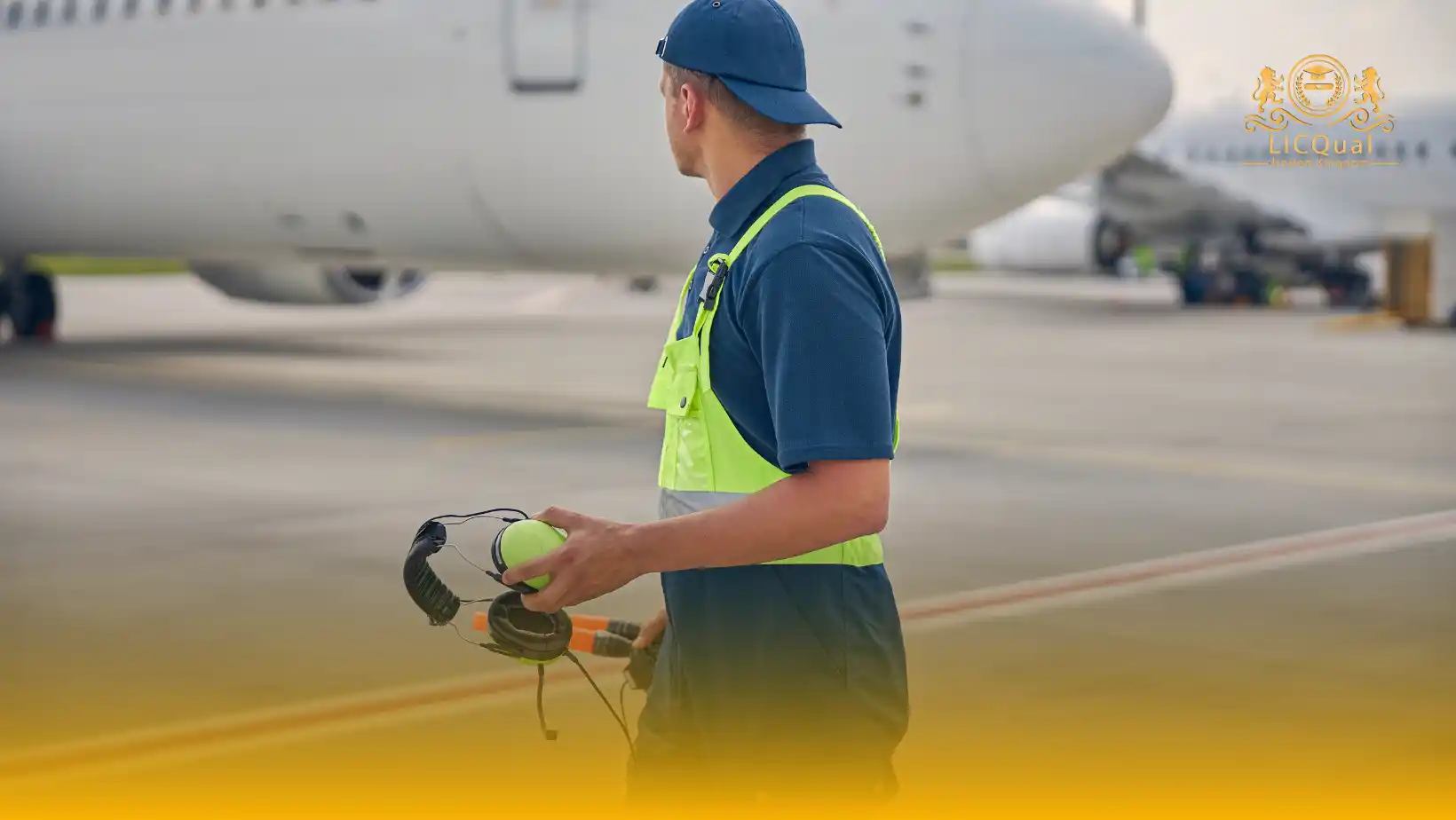
Signalman
The LICQual Level 2 Certificate in Signalman provides advanced professional training in railway signaling, train movement management, and operational safety. The course enables the learner to build on foundational knowledge and develop the skills necessary to manage complex signaling operations efficiently and safely. The learner gains structured understanding of signal interpretation, advanced communication techniques, and safety protocols aligned with current railway standards.
The programme equips the learner with competence in monitoring and controlling train movements, using signaling equipment, and applying operational procedures within regulated railway environments. The learner also develops expertise in traffic management, emergency response coordination, and compliance with health, safety, and regulatory requirements.
Through a combination of theoretical instruction, scenario-based exercises, and practical training, the learner strengthens decision-making, situational awareness, and operational control skills critical for signalman duties. Upon completion, the learner demonstrates professional capability in advanced signaling operations, ensuring safe and efficient train management while meeting industry standards and operational expectations.
Course Overview
Qualification Title
LICQual Level 2 Certificate in Signalman
Total Units
6
Total Credits
18
GLH
72
Qualification #
LICQ2200231
Qualification Specification
To enroll in the LICQual Level 2 Certificate in Signalman, applicants must meet the following criteria:
|
Qualification# |
Unit Title |
Credits |
GLH |
|---|---|---|---|
|
LICQ2200231-1 |
Signalman Roles and Responsibilities in Detail |
3 |
12 |
|
LICQ2200231-2 |
Advanced Communication Techniques for Signalmen |
3 |
12 |
|
LICQ2200231-3 |
Safety Regulations and Protocols for Signalmen |
3 |
12 |
|
LICQ2200231-4 |
Handling Complex Signaling Operations |
3 |
12 |
|
LICQ2200231-5 |
Traffic Control Methods and Techniques |
3 |
12 |
|
LICQ2200231-6 |
Inspection and Maintenance of Signaling Equipment |
3 |
12 |
By the end of this course, learners will be able to:
Signalman Roles and Responsibilities in Detail
- Understand and describe the key responsibilities and duties of a signalman within the railway system.
- Demonstrate the ability to manage train movements, ensure safety, and maintain efficient operations as part of a signalman’s role.
- Recognize the impact of a signalman’s actions on overall railway operations, safety, and customer satisfaction.
Advanced Communication Techniques for Signalmen
- Apply advanced communication methods to effectively relay instructions to train drivers, control centers, and other railway personnel.
- Demonstrate the ability to use various communication tools, such as radios and signals, to maintain clear and accurate information flow in both routine and emergency situations.
- Adapt communication strategies to high-pressure scenarios, ensuring the safety and efficiency of train movements.
Safety Regulations and Protocols for Signalmen
- Identify and apply the safety regulations and protocols that govern signaling operations to minimize risks and ensure compliance with industry standards.
- Recognize potential safety hazards and demonstrate proactive measures to prevent accidents and maintain a safe working environment.
- Understand and apply health and safety procedures during both normal operations and emergency situations.
Handling Complex Signaling Operations
- Manage complex signaling tasks, including coordinating multiple train movements, changing tracks, and handling unexpected delays.
- Apply critical thinking and problem-solving skills to ensure smooth operations even in challenging or emergency situations.
- Coordinate with other railway teams to manage complex signaling operations and ensure that all safety protocols are followed.
Traffic Control Methods and Techniques
- Understand and apply traffic control methods to efficiently manage the flow of trains, reduce delays, and prevent conflicts between train movements.
- Utilize various strategies to prioritize train movements and ensure the timely and safe passage of trains within busy railway systems.
- Optimize signaling and scheduling practices to improve overall traffic management and operational efficiency.
Inspection and Maintenance of Signaling Equipment
- Conduct routine inspections of signaling equipment to ensure it is functioning properly and complies with safety standards.
- Identify common faults or issues with signaling equipment and demonstrate basic troubleshooting techniques to address them.
- Perform basic maintenance tasks and follow procedures to ensure the reliability and safety of signaling systems.
This diploma is ideal for:
Assessment and Verification
All units within this qualification are subject to internal assessment by the approved centre and external verification by LICQual. The qualification follows a criterion-referenced assessment approach, ensuring that learners meet all specified learning outcomes.
To achieve a ‘Pass’ in any unit, learners must provide valid, sufficient, and authentic evidence demonstrating their attainment of all learning outcomes and compliance with the prescribed assessment criteria. The Assessor is responsible for evaluating the evidence and determining whether the learner has successfully met the required standards.
Assessors must maintain a clear and comprehensive audit trail, documenting the basis for their assessment decisions to ensure transparency, consistency, and compliance with quality assurance requirements.