
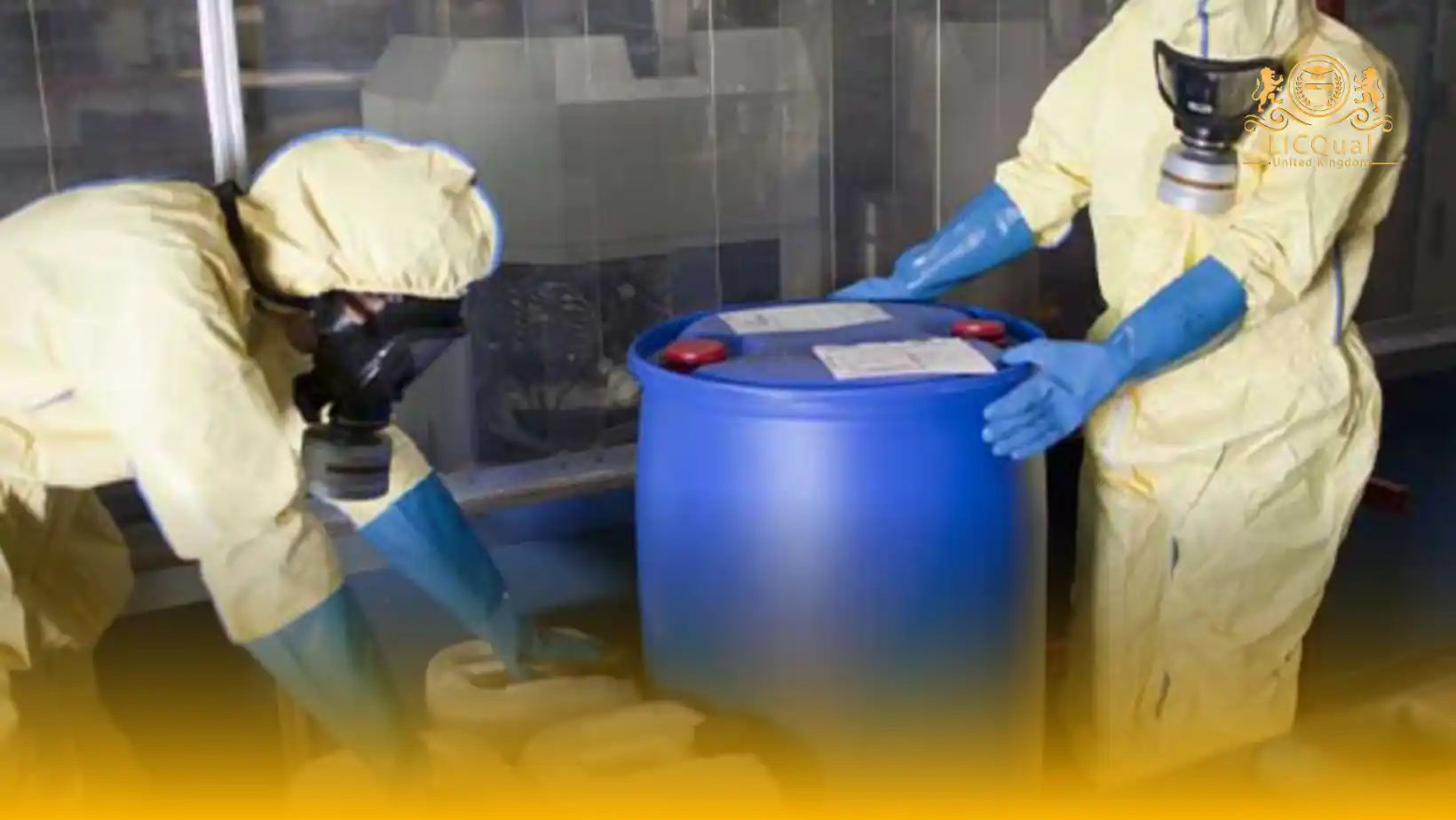
Manual Handling Principles and Practice
The LICQual Level 2 Award in Manual Handling Principles and Practice is an advanced professional course designed to equip learners with comprehensive knowledge and practical skills for safe manual handling. The qualification develops learners’ understanding of lifting, carrying, and moving loads safely, while introducing effective strategies to prevent injuries, improve workplace safety, and support compliance with health and safety regulations.
The course covers essential areas including the anatomy of musculoskeletal injuries, risk assessment for manual handling tasks, and the safe use of manual handling equipment such as trolleys and hoists. Learners undertake theoretical instruction alongside practical exercises, enabling them to develop confidence in applying correct manual handling techniques, reducing physical strain, and minimising workplace hazards.
On completion of the qualification, learners are able to implement safe manual handling practices, apply principles of ergonomics, and conduct effective risk assessments. This accredited qualification provides learners with the professional knowledge and practical tools required to enhance workplace safety, prevent manual handling injuries, and promote efficiency in the workplace.
Course Overview
Qualification Title
LICQual Level 2 Award in Manual Handling Principles and Practice
Total Units
6
Total Credits
6
GLH
12
Qualification #
LICQ2200050
Qualification Specification
To enroll in the LICQual Level 2 Award in Manual Handling Principles and Practice, applicants must meet the following criteria:
|
Qualification# |
Unit Title |
Credits |
GLH |
|---|---|---|---|
|
LICQ2200050-1 |
Introduction to Manual Handling |
1 |
2 |
|
LICQ2200050-2 |
Anatomy and Physiology |
1 |
2 |
|
LICQ2200050-3 |
Manual Handling Hazards and Risk Assessment |
1 |
2 |
|
LICQ2200050-4 |
Safe Manual Handling Techniques |
1 |
2 |
|
LICQ2200050-5 |
Team Handling and Communication |
1 |
2 |
|
LICQ2200050-6 |
Practical Application and Assessment |
1 |
2 |
By the end of this course, learners will be able to:
1. Introduction to Manual Handling
- Understand the importance of manual handling in the workplace and the impact of improper handling techniques on health and safety.
- Recognize the legal obligations and regulations related to manual handling, including the Health and Safety at Work Act.
- Identify different types of manual handling tasks and common injuries associated with them.
2. Anatomy and Physiology
- Demonstrate knowledge of the human musculoskeletal system, including the spine, joints, muscles, and bones.
- Understand how the body functions during manual handling tasks and the effects of incorrect posture and movement on the body.
- Explain the importance of body mechanics in preventing injury during manual handling activities.
3. Manual Handling Hazards and Risk Assessment
- Identify potential hazards associated with manual handling tasks, including environmental, individual, and task-related factors.
- Conduct a basic risk assessment to evaluate manual handling tasks and recommend control measures to reduce risk.
- Understand the principles of assessing the risks associated with manual handling and implementing effective strategies to manage them.
4. Safe Manual Handling Techniques
- Demonstrate the correct posture and body mechanics when lifting, carrying, and lowering loads.
- Apply safe manual handling techniques to reduce the risk of injury, including the use of mechanical aids when necessary.
- Identify when to seek assistance or use team handling for heavy or awkward loads.
5. Team Handling and Communication
- Understand the importance of effective communication when working with others during manual handling tasks.
- Demonstrate teamwork and coordination to safely handle large or awkward loads.
- Explain the roles and responsibilities of team members and how to ensure clear communication to prevent accidents during team handling.
6. Practical Application and Assessment
- Apply the learned manual handling techniques in real-world scenarios to demonstrate competence in safe handling practices.
- Complete practical assessments to demonstrate an understanding of safe manual handling principles, hazard recognition, and risk control measures.
- Reflect on personal performance in practical sessions and identify areas for improvement.
This diploma is ideal for:
Assessment and Verification
All units within this qualification are subject to internal assessment by the approved centre and external verification by LICQual. The qualification follows a criterion-referenced assessment approach, ensuring that learners meet all specified learning outcomes.
To achieve a ‘Pass’ in any unit, learners must provide valid, sufficient, and authentic evidence demonstrating their attainment of all learning outcomes and compliance with the prescribed assessment criteria. The Assessor is responsible for evaluating the evidence and determining whether the learner has successfully met the required standards.
Assessors must maintain a clear and comprehensive audit trail, documenting the basis for their assessment decisions to ensure transparency, consistency, and compliance with quality assurance requirements.