
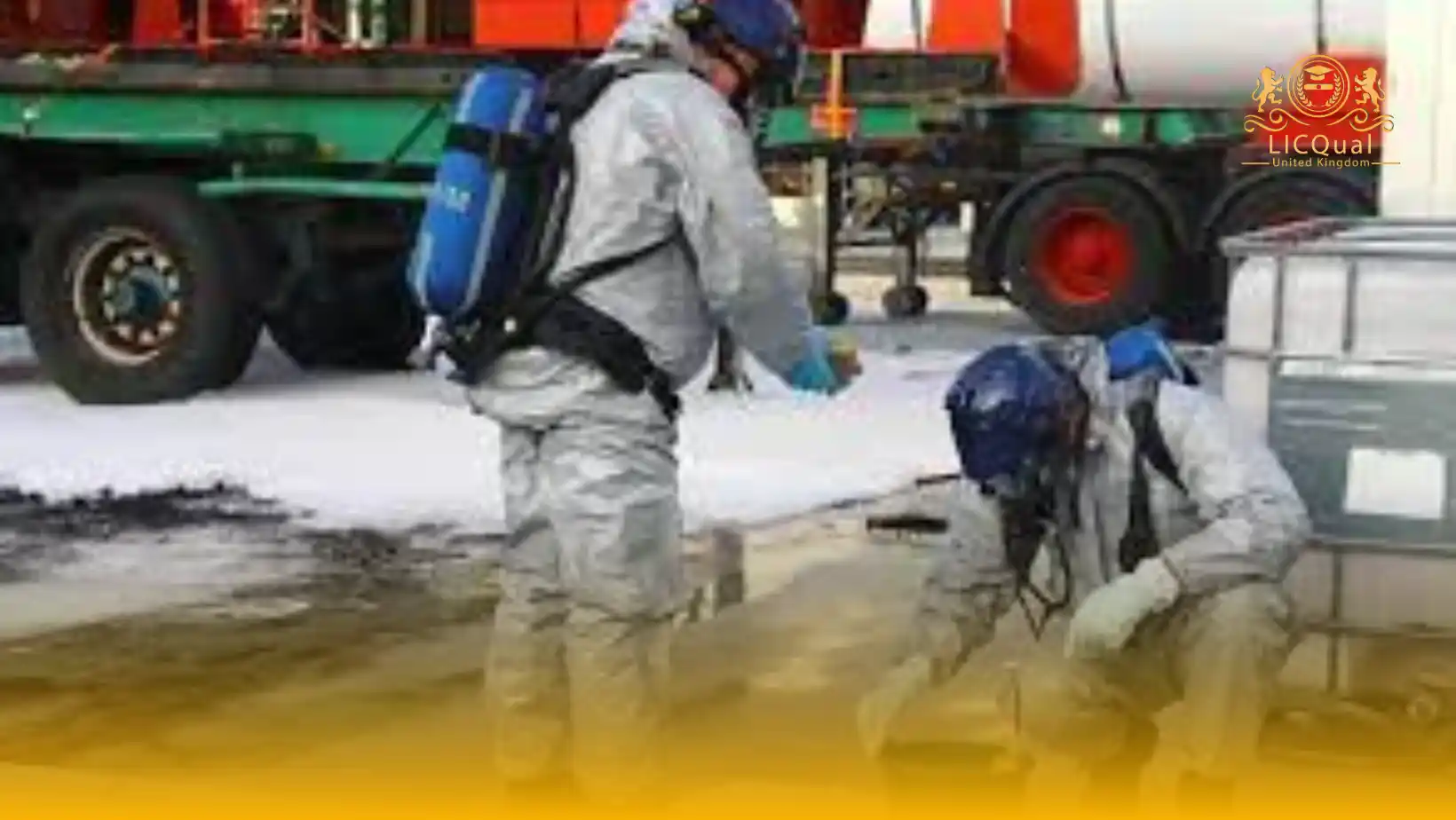
Confined Space Entry
The LICQual Level 2 Award in Confined Space Entry is a comprehensive qualification designed to equip learners with the knowledge and practical skills needed to work safely in confined spaces. This course is ideal for learners in high-risk industries or those looking to enhance their expertise in confined space safety.
Learners will explore the unique hazards associated with confined spaces, including oxygen deficiency, toxic gases, and potential entrapment risks. The course provides a thorough understanding of regulatory requirements, risk assessments, control measures, and emergency procedures, ensuring learners can manage confined space operations confidently and safely.
Through a combination of theoretical instruction and practical training, learners will develop the ability to apply safety procedures effectively in real-world scenarios. The course also covers essential tools, equipment, and monitoring techniques for confined space entry, preparing learners to identify and mitigate risks before, during, and after operations.
Course Overview
Qualification Title
LICQual Level 2 Award in Confined Space Entry
Total Units
6
Total Credits
6
GLH
12
Qualification #
LICQ2200092
Qualification Specification
To enroll in the LICQual Level 2 Award in Confined Space Entry, applicants must meet the following criteria:
|
Qualification# |
Unit Title |
Credits |
GLH |
|---|---|---|---|
|
LICQ2200092-1 |
Introduction to Confined Spaces |
1 |
2 |
|
LICQ2200092-2 |
Confined Space Hazards |
1 |
2 |
|
LICQ2200092-3 |
Legal and Regulatory Framework |
1 |
2 |
|
LICQ2200092-4 |
Safe Entry and Exit Procedures |
1 |
2 |
|
LICQ2200092-5 |
Emergency and Rescue Procedures |
1 |
2 |
|
LICQ2200092-6 |
Practical Application of Confined Space Safety |
1 |
2 |
By the end of this course, learners will be able to:
Introduction to Confined Spaces
- Understand the definition and types of confined spaces.
- Recognize the characteristics of confined spaces and their potential risks.
- Identify confined spaces in various industries and work environments.
- Understand the importance of confined space safety and the role of safety protocols.
Confined Space Hazards
- Identify common hazards associated with confined spaces, including oxygen deficiency, toxic gases, and physical entrapment.
- Assess the potential risks posed by these hazards in different confined space environments.
- Understand the effects of confined space hazards on worker health and safety.
- Learn how to develop and implement strategies for hazard control and mitigation.
Legal and Regulatory Framework
- Understand the legal responsibilities and obligations of employers and workers regarding confined space entry.
- Familiarize with key national and international regulations governing confined space work.
- Recognize the importance of compliance with health and safety laws, including risk assessments and emergency planning.
- Understand the role of regulatory bodies and how they influence confined space safety practices.
Safe Entry and Exit Procedures
- Demonstrate an understanding of safe entry and exit procedures for confined spaces.
- Develop risk assessment techniques to evaluate the safety of confined space entry.
- Understand the importance of personal protective equipment (PPE) and its role in ensuring safe entry and exit.
- Apply best practices for monitoring and maintaining safe conditions during work in confined spaces.
Emergency and Rescue Procedures
- Learn emergency protocols to follow in the event of an incident within a confined space.
- Understand the roles of emergency and rescue teams during confined space emergencies.
- Demonstrate knowledge of rescue equipment and its application in confined space scenarios.
- Apply first aid principles and emergency procedures to effectively respond to confined space incidents.
Practical Application of Confined Space Safety
- Develop practical skills for conducting risk assessments in confined spaces.
- Learn how to use confined space safety equipment properly and effectively.
- Demonstrate the ability to conduct emergency drills and rescue operations in confined space environments.
- Apply theoretical knowledge to real-world confined space scenarios, ensuring safe practices are followed at all times.
This diploma is ideal for:
Assessment and Verification
All units within this qualification are subject to internal assessment by the approved centre and external verification by LICQual. The qualification follows a criterion-referenced assessment approach, ensuring that learners meet all specified learning outcomes.
To achieve a ‘Pass’ in any unit, learners must provide valid, sufficient, and authentic evidence demonstrating their attainment of all learning outcomes and compliance with the prescribed assessment criteria. The Assessor is responsible for evaluating the evidence and determining whether the learner has successfully met the required standards.
Assessors must maintain a clear and comprehensive audit trail, documenting the basis for their assessment decisions to ensure transparency, consistency, and compliance with quality assurance requirements.