
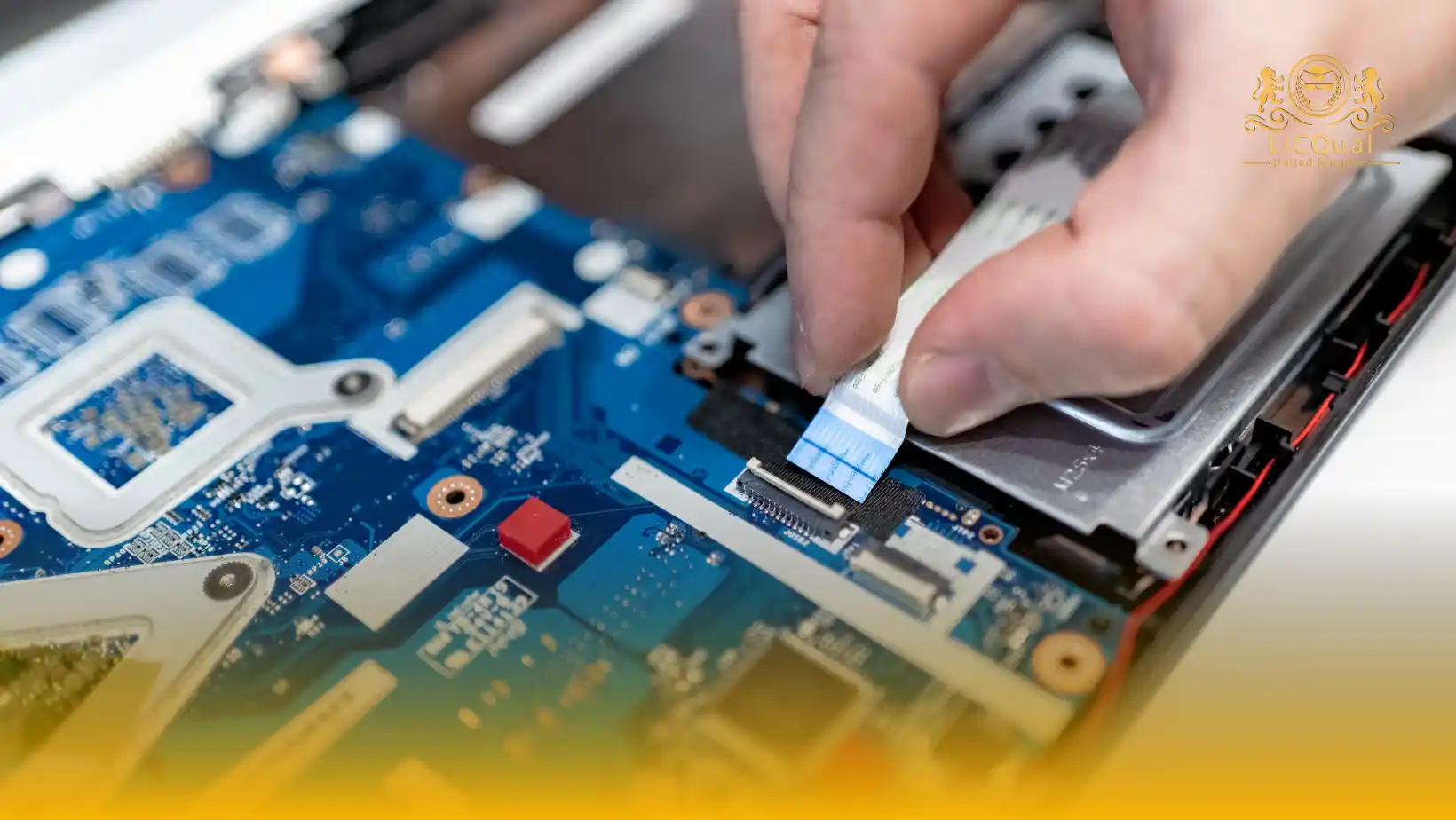
The LICQual Level 1 Diploma in IT Technician is the ideal entry-level qualification for anyone looking to build a strong foundation in IT support and technical skills. This comprehensive course introduces learners to the core principles of IT, including computer hardware, operating systems, networking, and basic IT security.
Whether you’re new to IT or seeking to formalize your existing skills, this diploma offers the practical knowledge and hands-on experience needed to launch a successful career as an IT technician. With the demand for skilled IT professionals continuously growing, this qualification will provide you with the essential skills to excel in a variety of IT roles.
The LICQual Level 1 Diploma in IT Technician covers a wide range of fundamental IT concepts that will equip you for entry-level positions in the IT sector. Throughout the course, you will explore key areas such as computer hardware maintenance, software installation, troubleshooting techniques, and basic networking. You’ll also learn essential skills related to IT support, including how to resolve technical issues, configure operating systems, and maintain IT systems.
By the end of this course, you will have a solid understanding of how to manage and troubleshoot computer systems, enabling you to work effectively as a junior IT technician or support specialist. Additionally, the LICQual Level 1 Diploma in IT Technician provides a pathway for further education and career progression in the IT field.
This qualification will help you develop the confidence and competence needed to succeed in today’s fast-paced tech-driven world, opening the door to exciting opportunities in IT support and technology.
Course Overview
Qualification Title
LICQual Level 1 Diploma in IT Technician
Total Units
6
Total Credits
24
GLH
60
Qualification #
LICQ2200341
Qualification Specification
To enrol in theLICQual Level 1 Diploma in IT Technician, candidates must meet the following entry requirements:
- Educational Requirements: No formal educational qualifications are required. However, a basic understanding of computer systems and a keen interest in IT will help ensure success in the course.
- Experience: No prior work experience in IT is necessary. This course is designed for beginners or individuals with limited knowledge of IT who want to build a solid foundation in the field.
- English Language Proficiency: Candidates should have a basic level of English to understand course materials and communicate effectively. Non-native English speakers may be required to demonstrate their proficiency in English through prior qualifications or a language assessment.
- Age Requirement: Candidates must be at least 18 years of age at the time of enrolment.
|
Qualification# |
Unit Title |
Credits |
GLH |
|---|---|---|---|
|
LICQ2200341-1 |
IT Systems and Infrastructure Basics |
4 |
10 |
|
LICQ2200341-2 |
Basic Hardware Setup and Maintenance |
4 |
10 |
|
LICQ2200341-3 |
Software Installation and Troubleshooting |
4 |
10 |
|
LICQ2200341-4 |
Introduction to Networking and Connectivity |
4 |
10 |
|
LICQ2200341-5 |
Basic IT Security Practices |
4 |
10 |
|
LICQ2200341-6 |
IT Support Fundamentals |
4 |
10 |
By the end of this course, learners will be able to:
IT Systems and Infrastructure Basics
- Understand the fundamental components of IT systems, including hardware, software, networks, and data storage solutions.
- Identify the roles and functions of common IT infrastructure elements within organizational environments.
- Explain how different IT systems interact to support business operations and digital services.
- Demonstrate awareness of IT infrastructure standards, best practices, and operational requirements.
Basic Hardware Setup and Maintenance
- Identify and describe the functions of key computer hardware components and peripheral devices.
- Perform basic hardware installation, configuration, and system setup procedures safely and effectively.
- Conduct routine maintenance tasks to ensure optimal performance and reliability of IT equipment.
- Diagnose common hardware issues and apply appropriate troubleshooting techniques to resolve them.
Software Installation and Troubleshooting
- Install, configure, and update operating systems and software applications according to user requirements.
- Apply best practices for software deployment, licensing, and system compatibility management.
- Identify common software-related issues and implement effective troubleshooting solutions.
- Maintain system functionality through software optimization, updates, and performance monitoring.
Introduction to Networking and Connectivity
- Understand the basic principles of computer networking, including network types, devices, and protocols.
- Configure and troubleshoot basic network connections in wired and wireless environments.
- Explain the role of IP addressing, internet connectivity, and network communication processes.
- Identify common networking issues and implement corrective actions to restore connectivity.
Basic IT Security Practices
- Understand the importance of cybersecurity and the key threats facing modern IT environments.
- Apply fundamental security measures such as password management, access control, and data protection.
- Recognize common cyber risks, including malware, phishing, and unauthorized access attempts.
- Follow security best practices to maintain the confidentiality, integrity, and availability of information systems.
IT Support Fundamentals
- Develop essential technical support skills for assisting users with common IT-related issues.
- Apply structured troubleshooting methodologies to diagnose and resolve technical problems efficiently.
- Demonstrate effective communication and customer service skills when providing IT support.
- Maintain accurate support documentation and follow established service management procedures.
This diploma is ideal for:
- IT professionals looking to deepen their knowledge and gain advanced technical skills in IT support and management.
- Individuals aspiring to move into more senior IT roles such as network administrator, systems administrator, or IT infrastructure manager.
- Professionals with a basic understanding of IT who wish to enhance their troubleshooting, network design, and server management expertise.
- Those interested in pursuing careers in cloud computing, IT security, or IT project management.
- IT technicians who want to expand their skillset to cover advanced areas like IT project management, network security, and server configuration.
- Individuals seeking to gain a recognized qualification that will increase their job prospects in IT and related fields.
- cloud computing and IT security.
- Those looking to gain hands-on experience in designing and implementing robust IT infrastructures for businesses.
Assessment and Verification
All units within this qualification are subject to internal assessment by the approved centre and external verification by LICQual. The qualification follows a criterion-referenced assessment approach, ensuring that learners meet all specified learning outcomes.
To achieve a ‘Pass’ in any unit, learners must provide valid, sufficient, and authentic evidence demonstrating their attainment of all learning outcomes and compliance with the prescribed assessment criteria. The Assessor is responsible for evaluating the evidence and determining whether the learner has successfully met the required standards.
Assessors must maintain a clear and comprehensive audit trail, documenting the basis for their assessment decisions to ensure transparency, consistency, and compliance with quality assurance requirements.