
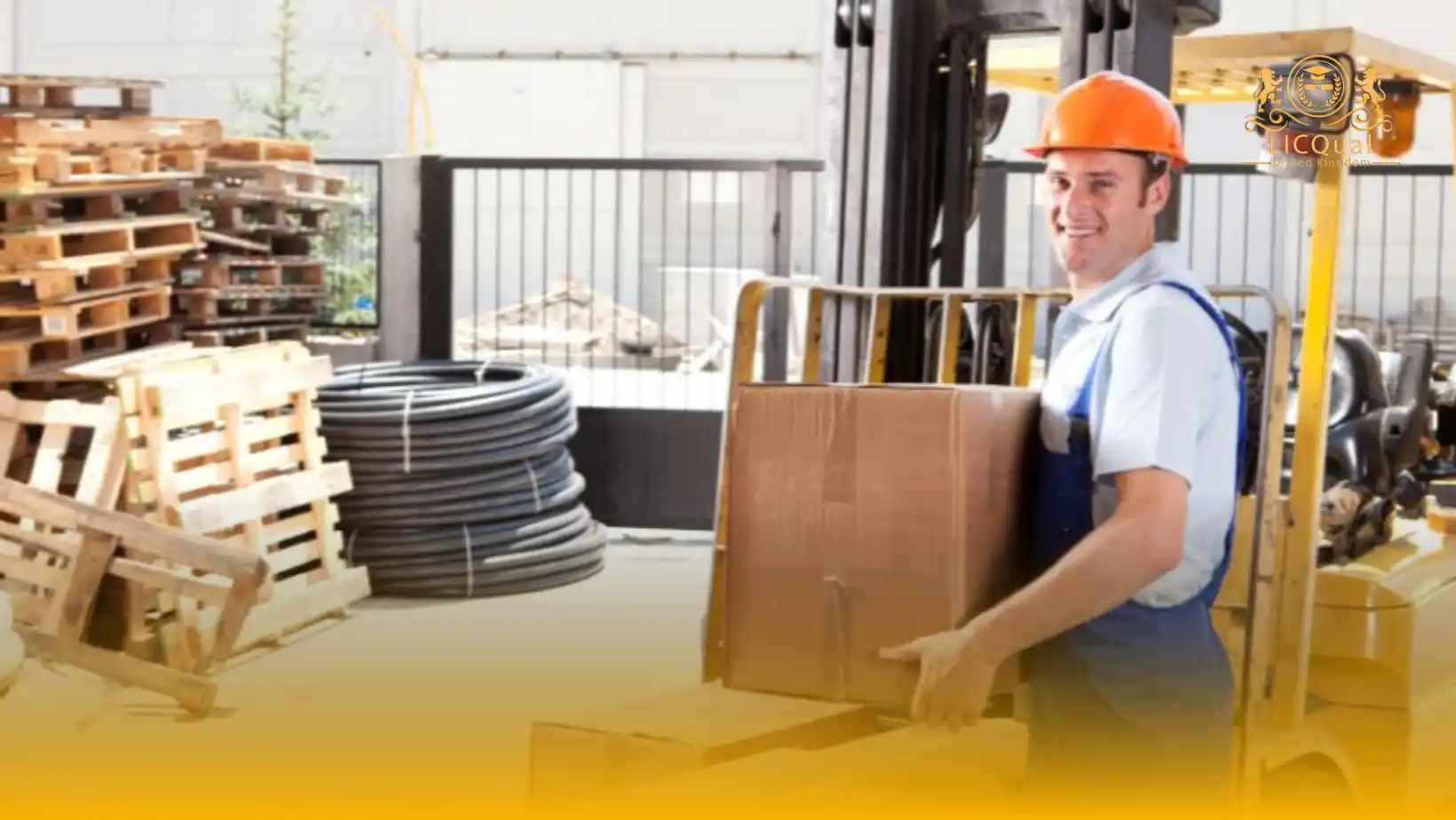
The LICQual Level 1 Award in Manual Handling at Work is a foundational course designed to equip individuals with the essential skills and knowledge required to safely handle loads in the workplace. Whether you’re a new employee or an employer looking to ensure workplace safety, this course provides the perfect starting point for understanding the core principles of manual handling and its impact on health and safety. With practical techniques and expert guidance, you’ll learn how to reduce the risk of injury and improve efficiency in your daily tasks.
Manual handling is a key component of health and safety regulations, and this qualification helps individuals comply with legal requirements while promoting a safer work environment. Upon completion of the LICQual Level 1 Award in Manual Handling at Work, you will be able to demonstrate safe lifting practices, reduce physical strain, and understand how to prevent common injuries caused by improper manual handling techniques.
The LICQual Level 1 Award in Manual Handling at Work offers a comprehensive introduction to safe manual handling practices. Throughout the course, learners will explore the risks associated with manual handling and how to apply control measures to prevent injury. Key topics covered include the principles of safe lifting, proper posture, and techniques for handling objects of different shapes and sizes.
In addition to theoretical knowledge, the course includes practical exercises to reinforce learning and ensure that you can confidently apply safe manual handling techniques in real-life work settings. Whether you’re handling materials, equipment, or other objects, this course ensures that you’ll be well-prepared to protect yourself and others from injury. This qualification is ideal for individuals in a variety of sectors, including retail, healthcare, construction, and warehousing, where manual handling tasks are a daily part of the job.
Course Overview
Qualification Title
LICQual Level 1 Award in Manual Handling at Work
Total Units
6
Total Credits
6
GLH
12
Qualification #
LICQ2200049
Qualification Specification
To enroll in the LICQual Level 1 Award in Manual Handling at Work, applicants must meet the following criteria:
|
Qualification# |
Unit Title |
Credits |
GLH |
|---|---|---|---|
|
LICQ2200049-1 |
Introduction to Manual Handling and Workplace Safety |
1 |
2 |
|
LICQ2200049-2 |
Understanding Manual Handling Hazards and Risks |
1 |
2 |
|
LICQ2200049-3 |
Principles of Safe Manual Handling |
1 |
2 |
|
LICQ2200049-4 |
Techniques for Lifting, Carrying, and Lowering Objects Safely |
1 |
2 |
|
LICQ2200049-5 |
Reducing the Risk of Injury During Manual Handling Tasks |
1 |
2 |
|
LICQ2200049-6 |
The Role of Manual Handling in Occupational Health and Wellbeing |
1 |
2 |
By the end of this course, learners will be able to:
Introduction to Manual Handling and Workplace Safety
Upon completing this unit, learners will be able to:
- Understand the importance of manual handling in maintaining workplace safety.
- Recognize the legal requirements and regulations regarding manual handling in the workplace.
- Identify the responsibilities of both employers and employees in ensuring safe manual handling practices.
- Explain the potential risks and injuries related to improper manual handling and their impact on workplace safety.
Understanding Manual Handling Hazards and Risks
Upon completing this unit, learners will be able to:
- Identify common hazards associated with manual handling tasks.
- Assess and evaluate the risks posed by manual handling in different work environments.
- Understand how environmental factors, such as layout and equipment, contribute to manual handling risks.
- Recognize unsafe practices and the potential consequences of these risks on health and safety.
Principles of Safe Manual Handling
Upon completing this unit, learners will be able to:
- Demonstrate an understanding of the fundamental principles of safe manual handling, including proper posture and body mechanics.
- Apply these principles to improve safety and efficiency when lifting, carrying, and moving objects.
- Understand the importance of proper alignment and body movement to prevent strain and injury.
- Evaluate the risks of manual handling tasks and apply the appropriate safety techniques.
Techniques for Lifting, Carrying, and Lowering Objects Safely
Upon completing this unit, learners will be able to:
- Demonstrate safe lifting, carrying, and lowering techniques for objects of various shapes and sizes.
- Understand and apply the proper body mechanics for different manual handling scenarios.
- Identify when to use lifting aids, trolleys, or team lifting to prevent injury.
- Safely move objects in a way that reduces physical strain and injury risk.
Reducing the Risk of Injury During Manual Handling Tasks
Upon completing this unit, learners will be able to:
- Identify strategies to reduce injury risks during manual handling tasks, such as pre-task assessments and using ergonomic practices.
- Implement environmental changes, such as adjusting workspace layout, to minimize strain during manual handling.
- Recognize the importance of training, proper equipment, and breaks in preventing injuries.
- Take proactive steps to ensure safe manual handling practices are followed in the workplace.
The Role of Manual Handling in Occupational Health and Wellbeing
Upon completing this unit, learners will be able to:
- Understand the long-term impact of manual handling on employees’ physical health and well-being.
- Recognize the importance of a healthy lifestyle and regular breaks to support safe manual handling practices.
- Explain how proper manual handling contributes to the overall occupational health culture.
- Promote safe manual handling practices to improve employee well-being and reduce the risk of musculoskeletal disorders.
This diploma is ideal for:
Assessment and Verification
All units within this qualification are subject to internal assessment by the approved centre and external verification by LICQual. The qualification follows a criterion-referenced assessment approach, ensuring that learners meet all specified learning outcomes.
To achieve a ‘Pass’ in any unit, learners must provide valid, sufficient, and authentic evidence demonstrating their attainment of all learning outcomes and compliance with the prescribed assessment criteria. The Assessor is responsible for evaluating the evidence and determining whether the learner has successfully met the required standards.
Assessors must maintain a clear and comprehensive audit trail, documenting the basis for their assessment decisions to ensure transparency, consistency, and compliance with quality assurance requirements.