
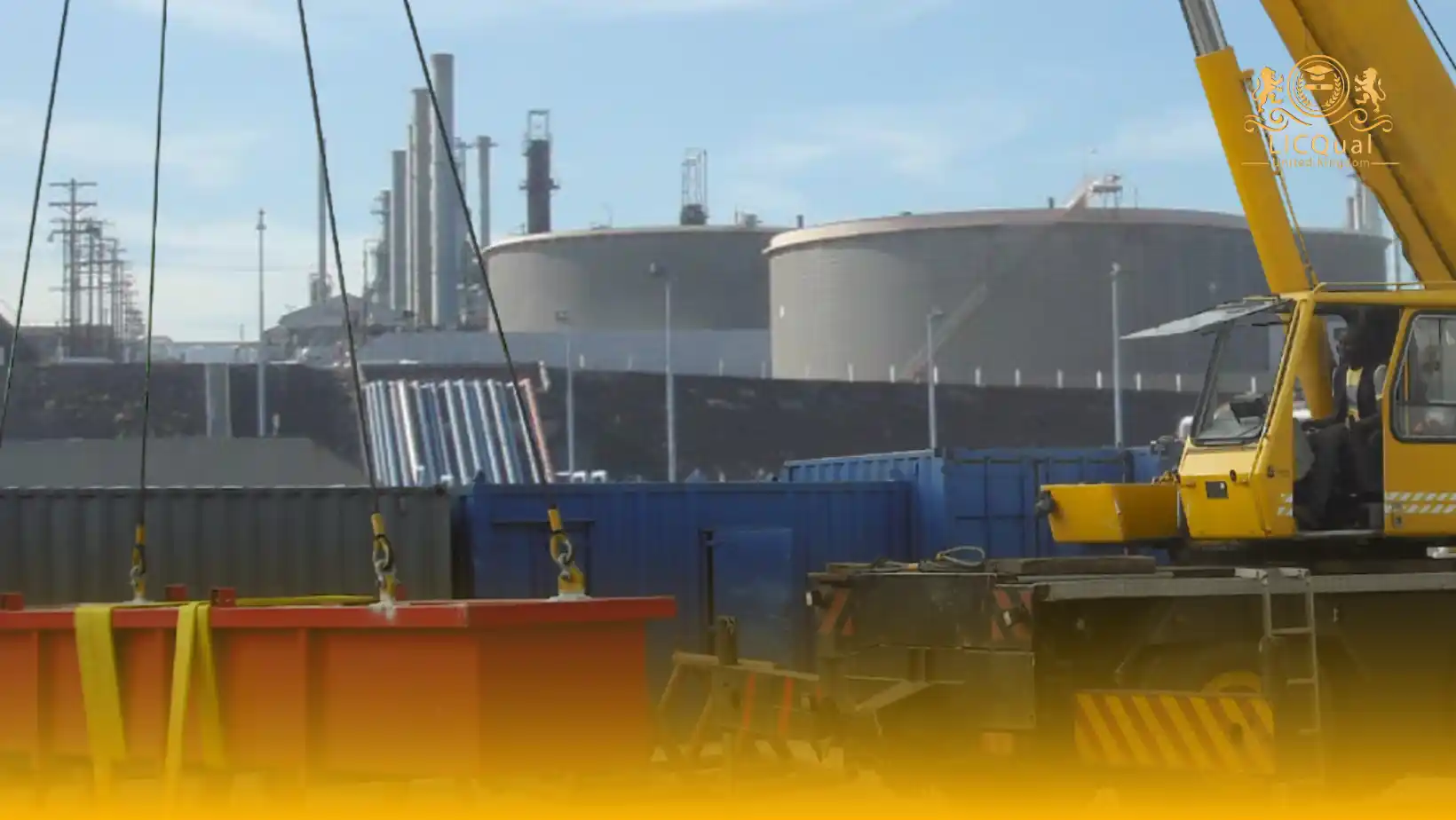
Award in Lifting Operation
The LICQual Level 1 Award in Lifting Operations equips learners with the essential skills and knowledge required to perform lifting tasks safely across diverse work environments. This qualification provides learners with a comprehensive understanding of lifting principles, including load stability, weight distribution, and hazard identification.
Learners will explore various types of lifting equipment, learning how to conduct thorough pre-use inspections and apply safe handling techniques in line with industry standards. The course emphasizes the critical role of planning, communication, and teamwork during lifting operations, enabling learners to recognize and mitigate potential risks effectively.
Through practical insights and structured instruction, learners gain the confidence to perform basic lifting operations safely and efficiently. By completing this course, learners will demonstrate competence in lifting safety protocols, contributing to overall workplace safety and compliance. This award lays a solid foundation for learners pursuing careers in sectors where lifting operations are essential.
Course Overview
Qualification Title
LICQual Level 1 Award in Lifting Operation
Total Units
6
Total Credits
6
GLH
12
Qualification #
LICQ2200067
Qualification Specification
To enroll in the LICQual Level 1 Award in Lifting Operation, applicants must meet the following criteria:
|
Qualification# |
Unit Title |
Credits |
GLH |
|---|---|---|---|
|
LICQ2200067-1 |
Introduction to Lifting Operation |
1 |
2 |
|
LICQ2200067-2 |
Lifting Equipment and Types |
1 |
2 |
|
LICQ2200067-3 |
Risk Assessment and Hazard Identification |
1 |
2 |
|
LICQ2200067-4 |
Pre-Use Inspection of Lifting Equipment |
1 |
2 |
|
LICQ2200067-5 |
Manual Handling and Safe Lifting Techniques |
1 |
2 |
|
LICQ2200067-6 |
Communication and Signaling for Lifting Operations |
1 |
2 |
By the end of this course, learners will be able to:
Introduction to Lifting Operations:
- Understand the importance of safe lifting operations and the potential risks associated with lifting tasks.
- Recognize the roles and responsibilities of personnel involved in lifting operations and how they contribute to workplace safety.
- Describe key principles and regulations that govern lifting operations in various industries.
Lifting Equipment and Types:
- Identify different types of lifting equipment, including cranes, hoists, forklifts, and slings, and understand their specific uses.
- Understand the key features and capabilities of lifting equipment and how to select the appropriate tools for specific lifting tasks.
- Recognize the limitations of lifting equipment and how to ensure it is suitable for the task at hand.
Risk Assessment and Hazard Identification:
- Conduct basic risk assessments for lifting operations and identify potential hazards that may compromise safety.
- Understand the common risks associated with lifting tasks, such as equipment failure, falling loads, and environmental factors.
- Apply risk control measures to minimize hazards and ensure safe lifting operations.
Pre-Use Inspection of Lifting Equipment:
- Demonstrate the ability to perform thorough pre-use inspections of lifting equipment to ensure it is safe for operation.
- Identify common defects and signs of wear or damage on lifting equipment, and understand the procedures for reporting and addressing these issues.
- Understand the importance of maintaining lifting equipment in compliance with safety standards.
Manual Handling and Safe Lifting Techniques:
- Apply safe manual handling practices when lifting objects manually, following correct posture and movement techniques.
- Recognize the risks of manual handling and the importance of reducing physical strain during lifting tasks.
- Demonstrate safe lifting techniques to avoid injury to oneself and others in the workplace.
Communication and Signaling for Lifting Operations:
- Understand the key methods of communication used during lifting operations, including verbal instructions and hand signals.
- Demonstrate the ability to use appropriate signaling techniques to ensure coordination and safety during lifting tasks.
- Recognize the importance of clear communication among all team members involved in lifting operations to prevent accidents and ensure smooth operations.
This diploma is ideal for:
Assessment and Verification
All units within this qualification are subject to internal assessment by the approved centre and external verification by LICQual. The qualification follows a criterion-referenced assessment approach, ensuring that learners meet all specified learning outcomes.
To achieve a ‘Pass’ in any unit, learners must provide valid, sufficient, and authentic evidence demonstrating their attainment of all learning outcomes and compliance with the prescribed assessment criteria. The Assessor is responsible for evaluating the evidence and determining whether the learner has successfully met the required standards.
Assessors must maintain a clear and comprehensive audit trail, documenting the basis for their assessment decisions to ensure transparency, consistency, and compliance with quality assurance requirements.