
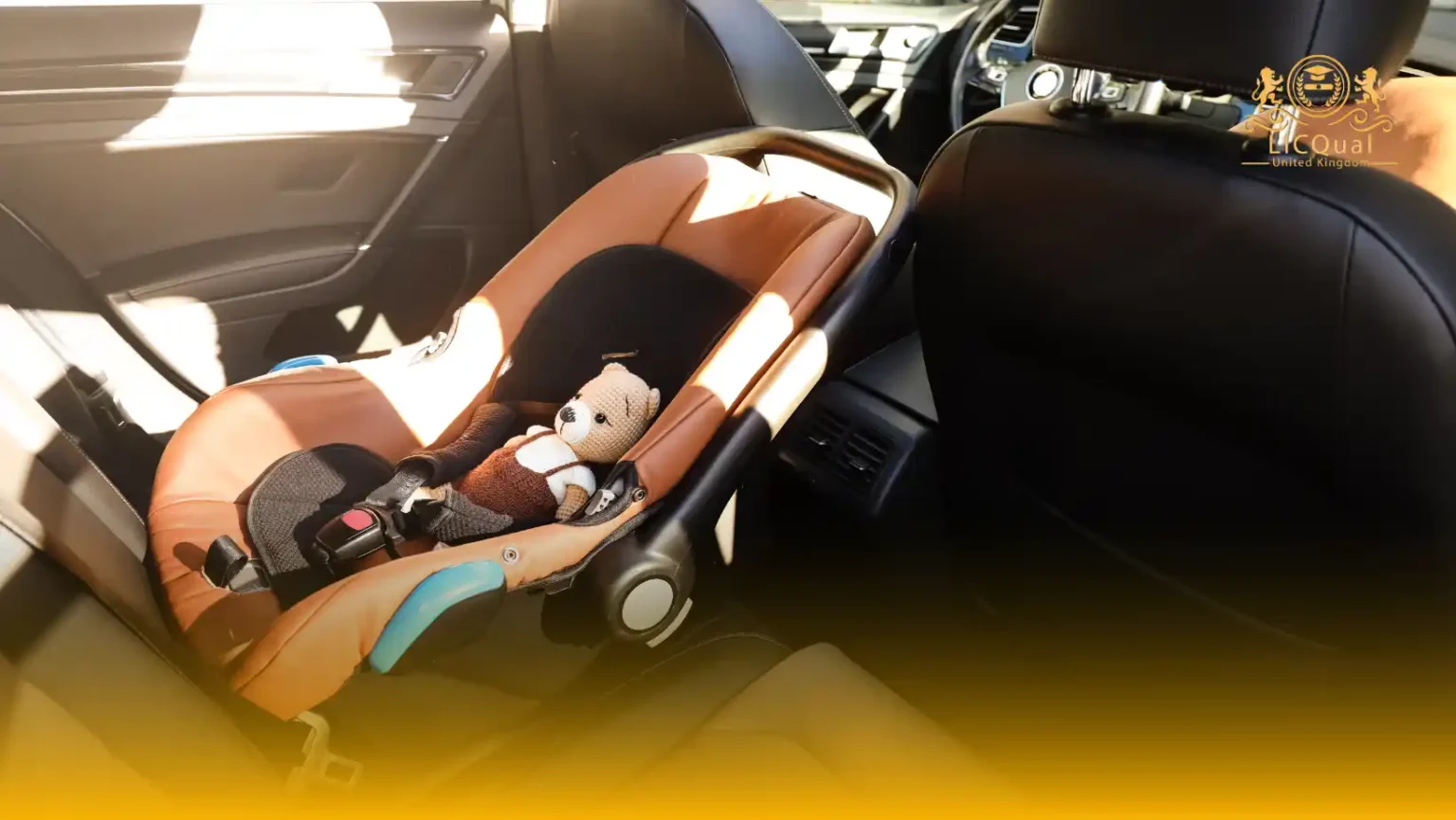
Child Seats for Cars
The LICQual ISO 13216 ISOFIX Child Seats for Cars Foundation Course is designed to provide learners with a comprehensive understanding of child car seat safety and the ISOFIX installation standard. This course covers the fundamental principles, requirements, and correct installation procedures for ISOFIX child seats, ensuring learners gain essential knowledge of automotive child safety.
Learners will explore key topics including ISO 13216 regulations, secure seat anchoring, proper positioning, and the role of ISOFIX in reducing injury risks. The ISOFIX Child Seat Foundation Course provides practical insights into safe installation practices, helping learners understand how to evaluate vehicle compatibility and ensure compliance with international safety standards.
Through this LICQual ISO 13216 ISOFIX Child Seat Course, learners acquire foundational knowledge on child seat safety, installation techniques, and ISOFIX system functionality. The course emphasizes clear, practical learning, enabling learners to understand the critical aspects of automotive child safety and the application of ISO 13216 standards in real-world scenarios.
Course Overview
Qualification Title
LICQual ISO 13216 ISOFIX Child Seats for Cars Foundation Course
Total Units
6
Total Credits
40
GLH
120
Qualification #
LICQ2201337
Qualification Specification
To enroll in the LICQual ISO 13216 ISOFIX Child Seats for Cars Foundation Course applicants must meet the following criteria:
|
Qualification# |
Unit Title |
Credits |
GLH |
|---|---|---|---|
|
LICQ2201337-1 |
Introduction to ISOFIX Child Seats and ISO 13216 Standards |
8 |
24 |
|
LICQ2201337-2 |
Components and Mechanisms of ISOFIX Child Seats |
8 |
24 |
|
LICQ2201337-3 |
Installation Procedures for ISOFIX Child Seats |
6 |
18 |
|
LICQ2201337-4 |
Safety Checks and Compliance Requirements |
6 |
18 |
|
LICQ2201337-5 |
Child Safety Awareness and Best Practices |
6 |
18 |
|
LICQ2201337-6 |
Practical Application and Assessment |
6 |
18 |
By the end of this course, Applicants will be able to:
Introduction to ISOFIX Child Seats and ISO 13216 Standards
- Define ISOFIX child seats and explain their role in vehicle safety.
- Describe the ISO 13216 standard and its relevance to proper seat installation.
- Summarize the evolution of international child seat safety regulations.
- Identify differences between ISOFIX and traditional seat belt systems.
- Highlight the importance of compliance with manufacturer guidelines.
- Explain responsibilities for ensuring correct installation and safety.
Components and Mechanisms of ISOFIX Child Seats
- Identify all key components of ISOFIX seats and connectors.
- Distinguish between different ISOFIX locking mechanisms and anchor types.
- Explain the function of indicators and safety signals on child seats.
- Evaluate materials and build quality for ISOFIX durability.
- Detect common faults and recommend maintenance procedures.
- Assess compatibility between seats and various vehicle models.
Installation Procedures for ISOFIX Child Seats
- Demonstrate step-by-step installation of ISOFIX seats in multiple vehicles.
- Verify vehicle compatibility and locate anchor points correctly.
- Adjust seats according to the child’s age, weight, and height specifications.
- Use top tether straps and support legs to maximize stability.
- Check installation security and ensure proper seat stability.
- Troubleshoot common installation issues effectively.
Safety Checks and Compliance Requirements
- Perform pre-use safety inspections on ISOFIX child seats.
- Interpret regulatory compliance requirements of ISO 13216 standards.
- Verify seats against recall notices and safety alerts.
- Evaluate performance of seats under different travel conditions.
- Ensure correct positioning of child seats in vehicles.
- Maintain proper documentation of inspections and compliance checks.
Child Safety Awareness and Best Practices
- Explain proper harnessing and restraint adjustment techniques.
- Provide guidance on safe use of ISOFIX child seats.
- Identify potential hazards in vehicle seating arrangements.
- Apply safe travel practices for child passengers.
- Analyze case studies to learn from real-world safety incidents.
- Foster a proactive safety-first approach to child passenger protection.
Practical Application and Assessment
- Conduct hands-on installation of various ISOFIX child seat models.
- Carry out simulated safety checks and troubleshoot installation errors.
- Demonstrate compliance with international safety standards in practical scenarios.
- Document installation procedures and assessment outcomes accurately.
- Apply learned techniques to ensure optimal child safety in real-world situations.
- Prepare for advanced certification or further child safety courses.
This course is ideal for:
- Automotive safety professionals looking to specialize in child car seat installation.
- Car dealership staff responsible for demonstrating and installing ISOFIX seats.
- Childcare providers and educators focusing on child passenger safety.
- Vehicle fleet managers ensuring compliance with international safety standards.
- Parents or guardians aiming to understand proper ISOFIX seat installation.
- Car seat retailers or distributors seeking technical product knowledge.
- Automotive service technicians enhancing skills in child restraint systems.
- Road safety officers and inspectors involved in child passenger safety compliance.
- Transportation and logistics personnel responsible for safe child travel arrangements.
- Health and safety professionals working in family or community services.
- Training providers preparing to offer certified ISOFIX installation courses.
- Car seat installation consultants or specialists advising families and institutions.
- Automotive engineers and designers interested in child seat safety regulations.
- Anyone pursuing foundational knowledge in ISO 13216 standards and ISOFIX systems.
- Professionals aiming to build a career in certified child car seat safety programs.
Assessment and Verification
All units within this qualification are subject to internal assessment by the approved centre and external verification by LICQual. The qualification follows a criterion-referenced assessment approach, ensuring that learners meet all specified learning outcomes.
To achieve a ‘Pass’ in any unit, learners must provide valid, sufficient, and authentic evidence demonstrating their attainment of all learning outcomes and compliance with the prescribed assessment criteria. The Assessor is responsible for evaluating the evidence and determining whether the learner has successfully met the required standards.
Assessors must maintain a clear and comprehensive audit trail, documenting the basis for their assessment decisions to ensure transparency, consistency, and compliance with quality assurance requirements.