
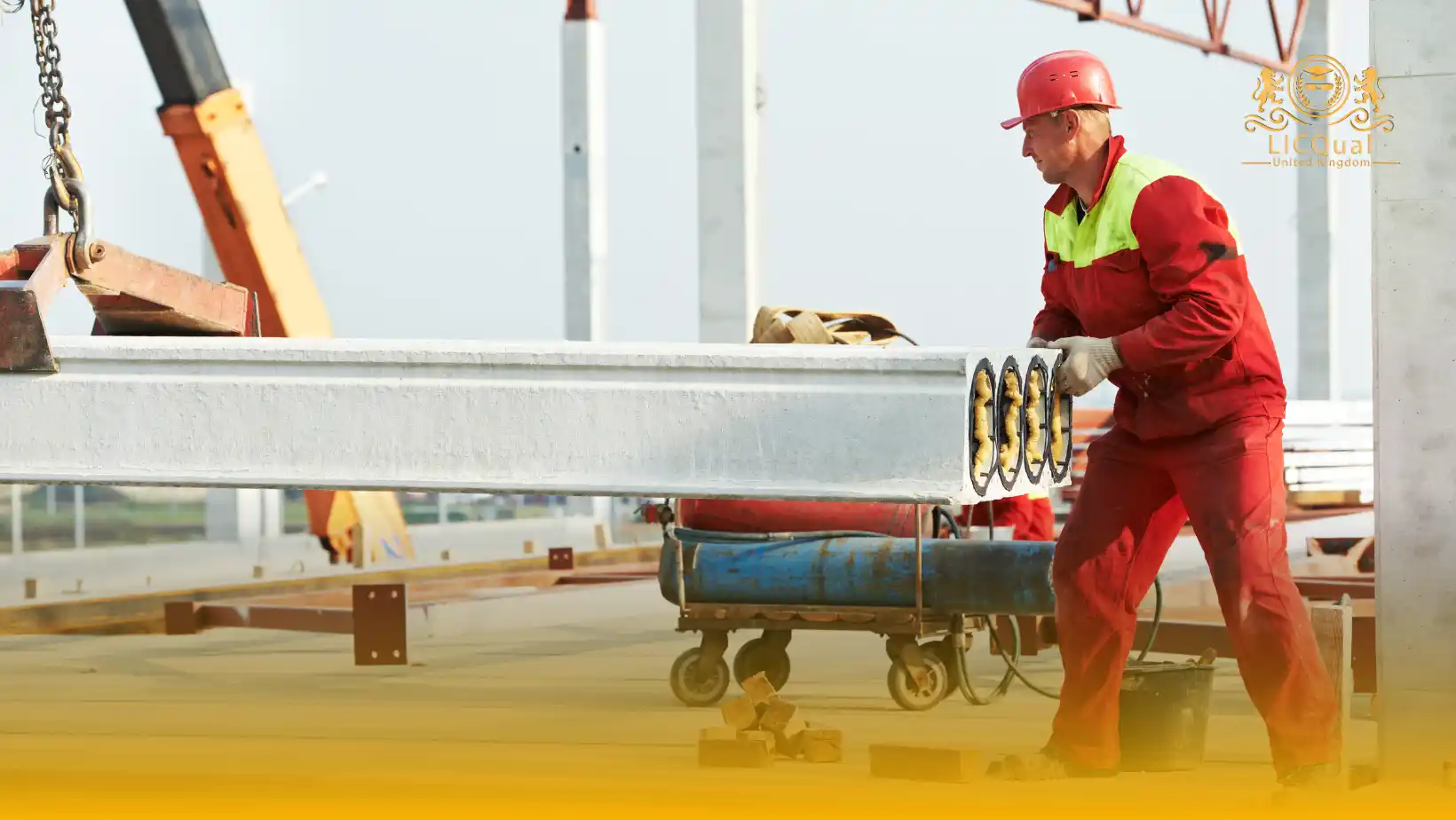
Award in Banksman, Slinger & Rigger
The LICQual Combined Level 1 Award in Banksman, Slinger & Rigger provides foundational professional training in lifting operations, rigging, and safe site practices. The course enables the learner to develop essential skills required to coordinate and assist in lifting tasks safely and efficiently. The learner gains structured knowledge of Banksman, Slinger, and Rigger roles, including proper handling of lifting equipment, slings, and basic rigging techniques.
The programme equips the learner with competence in applying health and safety regulations, effective communication, and operational procedures in lifting operations. The learner also develops practical skills through hands-on training, covering safe lifting techniques, equipment use, and teamwork during coordinated lifting tasks.
Through scenario-based exercises and practical application, the learner strengthens situational awareness, risk assessment, and operational decision-making. Upon completion, the learner demonstrates foundational capability in assisting with lifting operations, ensuring safe and efficient handling of loads, compliance with safety standards, and readiness to support professional lifting operations across construction, manufacturing, and industrial settings.
Course Overview
Qualification Title
LICQual Combined Level 1 Award in Banksman, Slinger & Rigger
Total Units
6
Total Credits
6
GLH
12
Qualification #
LICQ2200204
Qualification Specification
To enroll in the LICQual Combined Level 1 Award in Banksman, Slinger & Rigger, applicants must meet the following criteria:
|
Qualification# |
Unit Title |
Credits |
GLH |
|---|---|---|---|
|
LICQ2200204-1 |
Introduction to Banksman, Slinger, & Rigger Roles |
1 |
2 |
|
LICQ2200204-2 |
Basic Health and Safety Regulations |
1 |
2 |
|
LICQ2200204-3 |
Understanding Lifting Operations |
1 |
2 |
|
LICQ2200204-4 |
Communication Skills for Lifting Operations |
1 |
2 |
|
LICQ2200204-5 |
Operating Lifting Equipment and Slings |
1 |
2 |
|
LICQ2200204-6 |
Basic Practical Application of Banksman Skills |
1 |
2 |
By the end of this course, learners will be able to:
Introduction to Banksman, Slinger, & Rigger Roles:
- Demonstrate a clear understanding of the roles and responsibilities of Banksman, Slingers, and Riggers in lifting operations.
- Identify the key tasks and duties associated with each role and explain how they contribute to safe and efficient lifting procedures on site.
Basic Health and Safety Regulations:
- Apply basic health and safety regulations relevant to lifting operations in a construction or industrial environment.
- Identify common hazards and risks associated with lifting operations and explain how to mitigate these risks to ensure a safe working environment.
Understanding Lifting Operations:
- Understand the fundamental principles of lifting operations, including the types of lifting equipment and their functions.
- Identify the key steps in planning and carrying out lifting operations safely, from selecting the right equipment to ensuring safe execution.
Communication Skills for Lifting Operations:
- Demonstrate effective communication techniques, including the use of hand signals and verbal communication, for coordinating lifting operations.
- Understand the importance of clear, concise communication between team members to ensure safety and efficiency during lifting operations.
Operating Lifting Equipment and Slings:
- Safely operate basic lifting equipment and use slings correctly in lifting operations.
- Understand the different types of slings and lifting gear, their uses, and how to inspect them for safety before use.
Basic Practical Application of Banksman Skills:
- Demonstrate practical Banksman skills in directing the movement of lifting equipment and materials.
- Apply safe lifting techniques and practices during hands-on activities, ensuring correct procedures are followed at all times.
This diploma is ideal for:
Assessment and Verification
All units within this qualification are subject to internal assessment by the approved centre and external verification by LICQual. The qualification follows a criterion-referenced assessment approach, ensuring that learners meet all specified learning outcomes.
To achieve a ‘Pass’ in any unit, learners must provide valid, sufficient, and authentic evidence demonstrating their attainment of all learning outcomes and compliance with the prescribed assessment criteria. The Assessor is responsible for evaluating the evidence and determining whether the learner has successfully met the required standards.
Assessors must maintain a clear and comprehensive audit trail, documenting the basis for their assessment decisions to ensure transparency, consistency, and compliance with quality assurance requirements.