
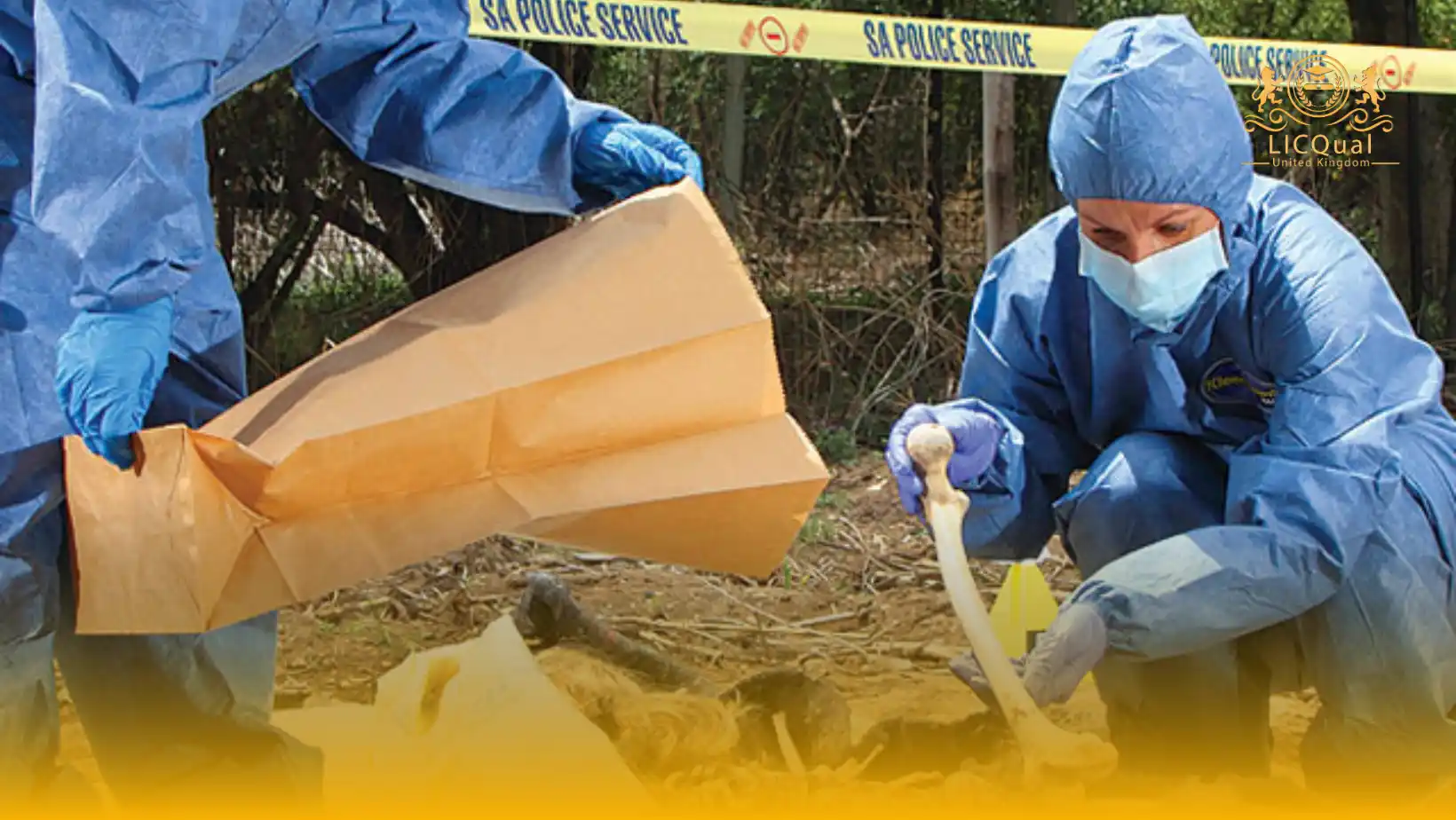
Accident Scene Preservation and Evidence Collection
The LICQual Award in Accident Scene Preservation and Evidence Collection equips learners with specialized skills to manage accident scenes and collect critical evidence with accuracy and professionalism. This course provides learners with a comprehensive understanding of techniques to secure accident sites, prevent contamination, and preserve physical evidence for further investigation or legal processes.
Learners gain practical knowledge in using specialized equipment, documenting evidence, and applying industry best practices to maintain the integrity of accident scenes. Through real-world case studies and hands-on exercises, learners develop the ability to interpret and apply theoretical knowledge in actual scenarios.
The course also covers legal and ethical considerations in evidence collection, ensuring learners conduct investigations that meet compliance and professional standards. Completing the LICQual Award in Accident Scene Preservation and Evidence Collection ensures that learners are proficient, confident, and capable of preserving scenes and gathering evidence that supports thorough analysis and accurate reporting.
Course Overview
Qualification Title
LICQual Award in Accident Scene Preservation and Evidence Collection
Total Units
6
Total Credits
6
GLH
12
Qualification #
LICQ2200055
Qualification Specification
To enroll in the LICQual Award in Accident Scene Preservation and Evidence Collection, applicants must meet the following criteria:
|
Qualification# |
Unit Title |
Credits |
GLH |
|---|---|---|---|
|
LICQ2200055-1 |
Introduction to Accident Scene Preservation |
1 |
2 |
|
LICQ2200055-2 |
Evidence Collection Techniques and Best Practices |
1 |
2 |
|
LICQ2200055-3 |
Legal and Ethical Considerations in Evidence Handling |
1 |
2 |
|
LICQ2200055-4 |
Accident Scene Documentation and Reporting |
1 |
2 |
|
LICQ2200055-5 |
Forensic Techniques in Evidence Preservation |
1 |
2 |
|
LICQ2200055-6 |
Handling and Transporting Evidence Safely |
1 |
2 |
By the end of this course, learners will be able to:
Introduction to Accident Scene Preservation
- Understand the principles and importance of preserving accident scenes.
- Demonstrate the ability to secure and protect an accident scene from contamination.
- Recognize the roles and responsibilities of first responders in preserving evidence.
Evidence Collection Techniques and Best Practices
- Apply various evidence collection techniques using the appropriate tools and equipment.
- Ensure proper handling and documentation of physical evidence to maintain its integrity.
- Understand best practices for storing and preserving evidence for future investigation or legal use.
Legal and Ethical Considerations in Evidence Handling
- Understand the legal frameworks and regulations governing the collection and handling of evidence.
- Demonstrate knowledge of chain of custody procedures and the importance of maintaining evidence admissibility.
- Recognize the ethical considerations involved in evidence collection, ensuring impartiality and objectivity.
Accident Scene Documentation and Reporting
- Develop skills in documenting accident scenes accurately through photographs, sketches, and notes.
- Create clear and detailed reports that meet legal and industry standards for accident investigations.
- Ensure that all accident scene documentation supports legal and investigative processes.
Forensic Techniques in Evidence Preservation
- Understand and apply forensic methods such as fingerprinting, blood spatter analysis, and trace evidence collection.
- Gain proficiency in using forensic techniques to enhance the quality and accuracy of evidence preservation.
- Evaluate how forensic techniques can support accident scene investigations and contribute to legal proceedings.
Handling and Transporting Evidence Safely
- Implement safe practices for packaging, labeling, and transporting evidence to prevent contamination or damage.
- Understand the proper procedures for securing and transferring evidence from the scene to storage or laboratory analysis.
- Ensure that evidence handling and transportation comply with legal and safety standards to maintain integrity.
This diploma is ideal for:
Assessment and Verification
All units within this qualification are subject to internal assessment by the approved centre and external verification by LICQual. The qualification follows a criterion-referenced assessment approach, ensuring that learners meet all specified learning outcomes.
To achieve a ‘Pass’ in any unit, learners must provide valid, sufficient, and authentic evidence demonstrating their attainment of all learning outcomes and compliance with the prescribed assessment criteria. The Assessor is responsible for evaluating the evidence and determining whether the learner has successfully met the required standards.
Assessors must maintain a clear and comprehensive audit trail, documenting the basis for their assessment decisions to ensure transparency, consistency, and compliance with quality assurance requirements.