
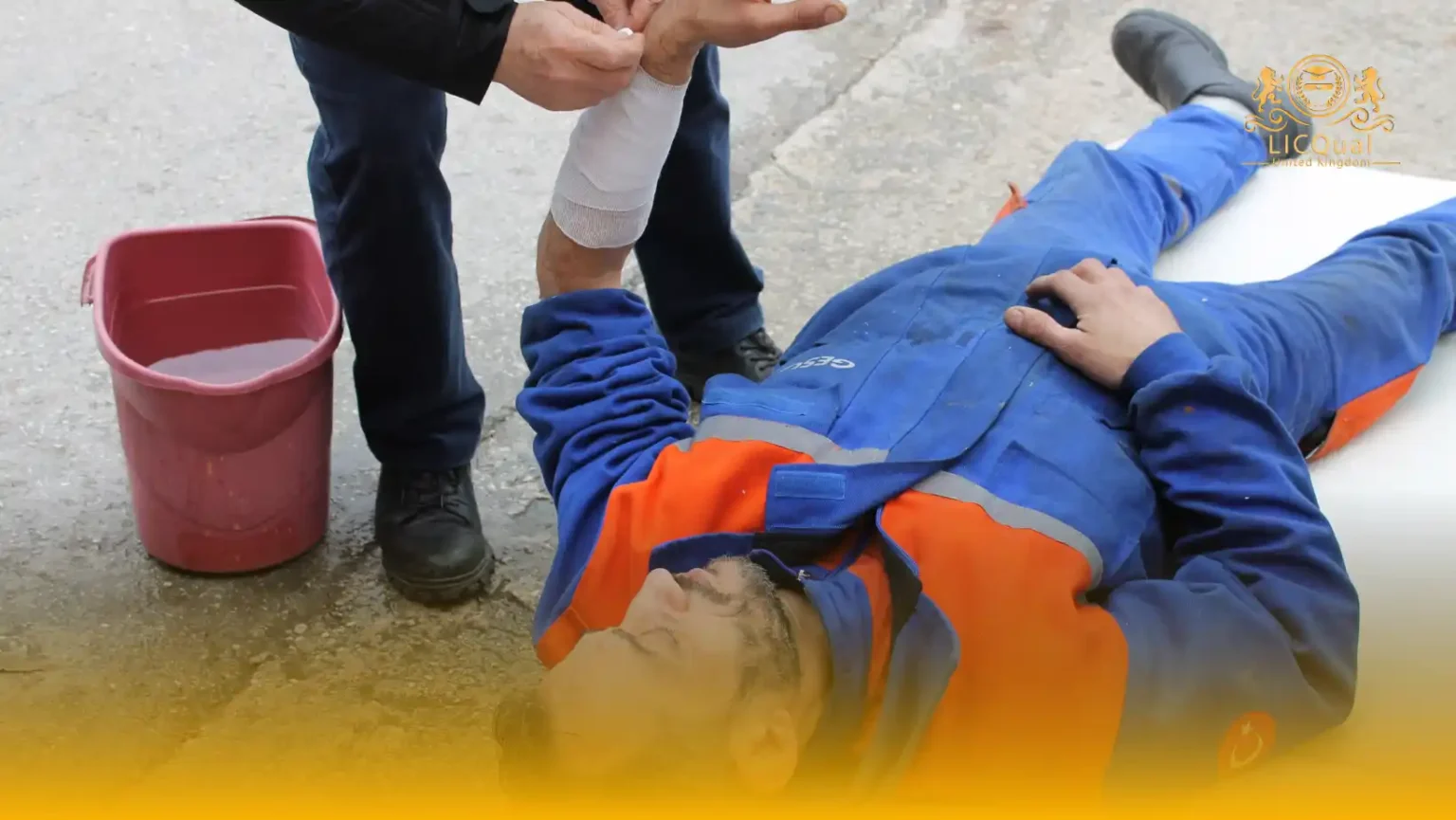
Paediatric First Aid & First Aid at Work
The LICQual Level 3 Award in Combined Paediatric First Aid (PFA) & First Aid at Work (FAW) is a comprehensive qualification designed to equip learners with essential first aid knowledge and practical skills to manage emergencies involving both adults and children. This field is a vital component of health, safety, and safeguarding practices, focusing on the immediate response to injuries, illnesses, and life-threatening conditions in workplace and childcare environments.
The course covers key areas such as CPR techniques for adults and children, management of choking, bleeding, fractures, burns, shock, and sudden medical conditions. It also develops an understanding of risk assessment, incident reporting, and legal responsibilities, supporting compliance with organisational health and safety standards.
Completing this qualification enhances professional capability, enabling learners to contribute to safer environments across various sectors including education, childcare, and workplaces. The benefits include improved emergency response confidence, recognised certification, and expanded career opportunities, while strengthening organisational safety culture and preparedness for critical situations.
Course Overview
Qualification Title
LICQual Level 3 Award in Combined Paediatric First Aid (PFA) & First Aid at Work (FAW)
Total Units
6
Total Credits
6
GLH
12
Qualification #
LICQ2200602
Qualification Specification
To enroll in the LICQual Level 3 Award in Combined Paediatric First Aid (PFA) & First Aid at Work (FAW) applicants must meet the following criteria:
|
Qualification# |
Unit Title |
Credits |
GLH |
|---|---|---|---|
|
LICQ2200602-1 |
Principles and Role of a First Aider |
1 |
2 |
|
LICQ2200602-2 |
Assessing Emergency Situations |
1 |
2 |
|
LICQ2200602-3 |
Managing Unconsciousness and Recovery Position |
1 |
2 |
|
LICQ2200602-4 |
Cardiopulmonary Resuscitation (CPR) for All Ages |
1 |
2 |
|
LICQ2200602-5 |
Managing Common Injuries and Medical Emergencies |
1 |
2 |
|
LICQ2200602-6 |
Legal, Reporting, and Safeguarding Responsibilities |
1 |
2 |
By the end of this course, learners will be able to:
Principles and Role of a First Aider
- Explain the role and responsibilities of a first aider in both paediatric and workplace environments.
- Describe the importance of first aid in saving lives and minimizing injury.
Assessing Emergency Situations
- Demonstrate how to assess an emergency scene safely and effectively.
- Prioritize care to protect self, casualty, and bystanders.
- Identify when and how to call for emergency medical help.
Managing Unconsciousness and Recovery Position
- Recognize signs and symptoms of unconsciousness in adults, children, and infants.
- Correctly place casualties in the recovery position to maintain airway patency.
- Monitor the casualty’s condition until professional help arrives.
Cardiopulmonary Resuscitation (CPR) for All Ages
- Perform CPR techniques effectively on adults, children, and infants.
- Demonstrate the correct sequence of rescue breaths and chest compressions.
Managing Common Injuries and Medical Emergencies
- Identify and provide appropriate first aid for choking, bleeding, burns, fractures, and head injuries in all age groups.
- Respond effectively to asthma attacks, anaphylaxis, seizures, and other medical emergencies.
- Understand when to seek further medical assistance.
Legal, Reporting, and Safeguarding Responsibilities
- Accurately record incident details and treatment provided.
- Explain legal obligations, including consent, confidentiality, and safeguarding vulnerable individuals.
- Understand the importance of ethical practice in first aid.
This course is ideal for:
- Childcare Professionals:
Nursery workers, childminders, preschool staff, and daycare providers responsible for the care of infants and children. - Workplace First Aiders:
Employees designated to provide first aid support in workplace environments of all types and sizes. - Teachers and School Staff:
Educators and support personnel working in primary and early years education settings. - Healthcare Assistants and Support Workers:
Individuals working in healthcare or community care roles requiring up-to-date first aid skills. - Parents and Guardians:
Caregivers wanting to be equipped with essential first aid skills for emergencies involving children and adults. - Youth Sports Coaches and Activity Leaders:
Coaches, trainers, and volunteers responsible for the safety of children and adults during sports and recreational activities. - Volunteers in Child-Focused Organizations:
Volunteers in camps, clubs, or charities where knowledge of paediatric and workplace first aid is essential. - Anyone Seeking Dual Certification:
Individuals aiming to gain both paediatric and workplace first aid qualifications to enhance their professional or personal skills.
Assessment and Verification
All units within this qualification are subject to internal assessment by the approved centre and external verification by LICQual. The qualification follows a criterion-referenced assessment approach, ensuring that learners meet all specified learning outcomes.
To achieve a ‘Pass’ in any unit, learners must provide valid, sufficient, and authentic evidence demonstrating their attainment of all learning outcomes and compliance with the prescribed assessment criteria. The Assessor is responsible for evaluating the evidence and determining whether the learner has successfully met the required standards.
Assessors must maintain a clear and comprehensive audit trail, documenting the basis for their assessment decisions to ensure transparency, consistency, and compliance with quality assurance requirements.