
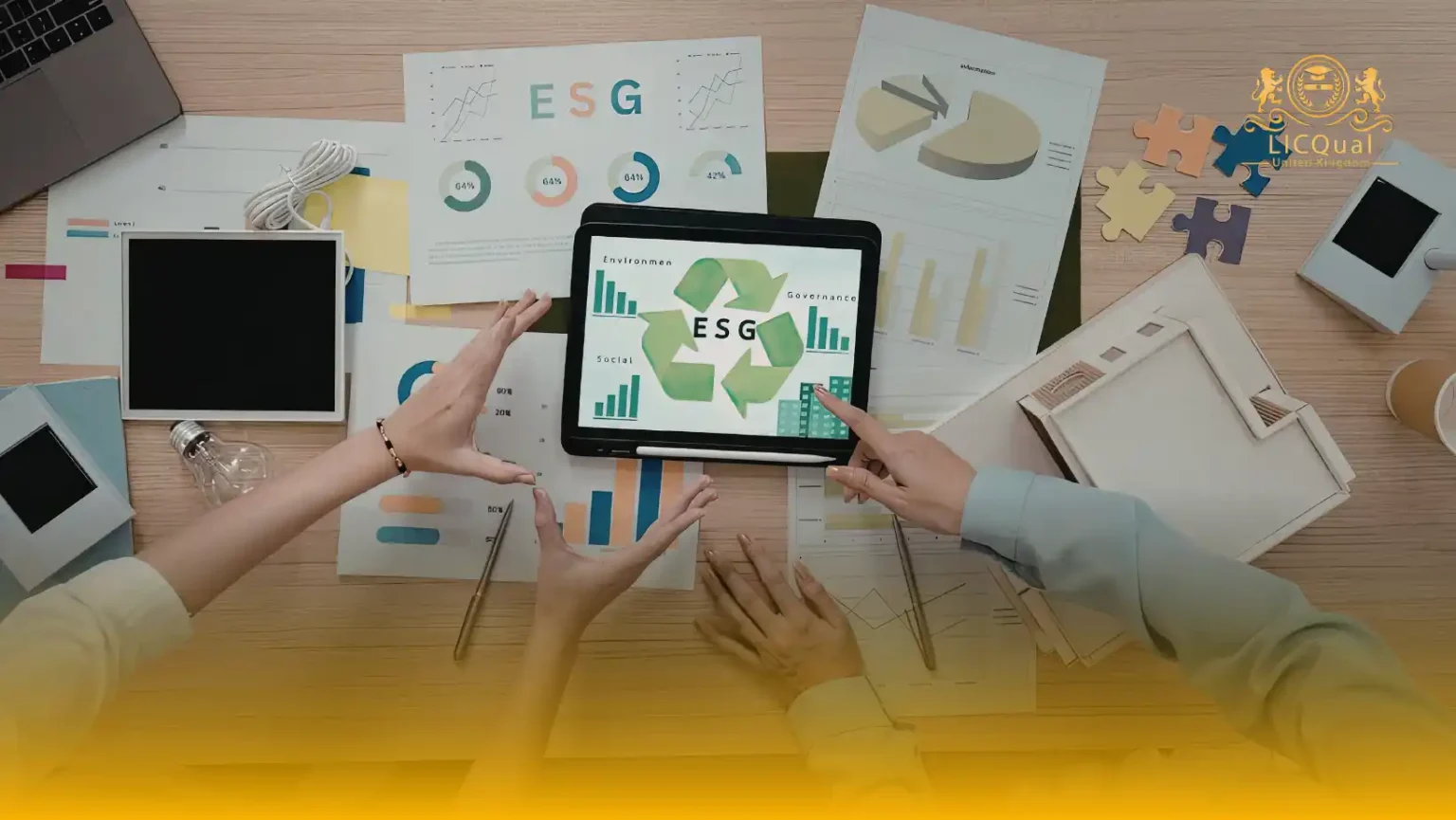
Environmental Management System
The LICQual ISO 14001:2026 EMS Transition Lead Implementer Course is a comprehensive program designed to equip learners with advanced skills and knowledge to seamlessly transition from ISO 14001:2015 to the updated 2026 standard. This course provides a deep understanding of the revised Environmental Management System (EMS) requirements, emphasizing strategic implementation, risk-based thinking, and integration of sustainable practices within organizational processes.
Learners will explore practical methodologies for planning, executing, and leading EMS transition initiatives, ensuring compliance with ISO 14001:2026 while enhancing operational efficiency and environmental performance. The course covers all essential aspects of EMS, including documentation management, leadership engagement, environmental policy updates, and evaluation of environmental impacts in alignment with the new standard.
Structured to support real-world application, this course ensuring learners can confidently lead EMS transformation projects and achieve certification objectives. By focusing on risk-based planning, continuous improvement, and effective audit strategies, learners gain the capability to drive sustainable change, optimize resources, and maintain compliance with regulatory and stakeholder expectations.
This program positions learners at the forefront of environmental management excellence, offering practical tools, structured guidance, and strategic insights for a successful ISO 14001:2026 EMS transition. Mastery of this course empowers learners to confidently implement, manage, and lead EMS initiatives aligned with global best practices.
Course Overview
Qualification Title
LICQual ISO 14001:2026 EMS (Environmental Management System) Transition Lead Implementer Course
Total Units
6
Total Credits
28
GLH
84
Qualification #
LICQ2201326
Qualification Specification
To enroll in the LICQual ISO 14001:2026 EMS (Environmental Management System) Transition Lead Implementer Course applicants must meet the following criteria:
|
Qualification# |
Unit Title |
Credits |
GLH |
|---|---|---|---|
|
LICQ2201326-1 |
EMS Transition Strategy & Change Leadership |
6 |
18 |
|
LICQ2201326-2 |
Aligning EMS with Updated Context & Strategic Direction |
6 |
18 |
|
LICQ2201326-3 |
Updating Environmental Aspects & Lifecycle Controls |
4 |
12 |
|
LICQ2201326-4 |
Operational Control Enhancements & Compliance Updates |
4 |
12 |
|
LICQ2201326-5 |
AI-Driven Environmental Intelligence & Digital Transformation |
4 |
12 |
|
LICQ2201326-6 |
Post-Transition Performance Evaluation & Continual Improvement |
4 |
12 |
By the end of this course, Applicants will be able to:
EMS Transition Strategy & Change Leadership
- Develop strategic plans for transitioning from ISO 14001:2015 to ISO 14001:2026 EMS.
- Apply change leadership principles to drive organizational EMS adoption effectively.
- Identify critical success factors for EMS transition projects.
- Evaluate risk management approaches to support smooth EMS implementation.
- Establish governance mechanisms for monitoring and sustaining EMS change initiatives.
- Integrate stakeholder engagement strategies to enhance EMS adoption and compliance.
Aligning EMS with Updated Context & Strategic Direction
- Assess the organization’s context to align EMS with ISO 14001:2026 requirements.
- Integrate strategic environmental objectives with business goals and operational priorities.
- Apply risk-based thinking to link EMS initiatives with organizational strategy.
- Analyze regulatory, sustainability, and climate-related impacts on EMS planning.
- Develop mechanisms to align internal policies and procedures with updated EMS standards.
- Monitor organizational alignment through audits, reviews, and performance metrics.
Updating Environmental Aspects & Lifecycle Controls
- Identify and evaluate environmental aspects and impacts under ISO 14001:2026.
- Apply lifecycle thinking to improve environmental performance and sustainability.
- Update operational controls to address new risks and regulatory requirements.
- Develop monitoring and measurement systems to track environmental impacts.
- Implement strategies to reduce environmental footprint across products and services.
- Integrate data-driven insights for continuous improvement of lifecycle management.
Operational Control Enhancements & Compliance Updates
- Strengthen operational procedures to ensure compliance with updated EMS standards.
- Implement risk-based operational controls for improved environmental performance.
- Develop documentation and reporting systems aligned with ISO 14001:2026.
- Evaluate compliance gaps and corrective action mechanisms effectively.
- Apply audit-ready techniques for verifying operational control effectiveness.
- Integrate continuous improvement practices into operational processes.
AI-Driven Environmental Intelligence & Digital Transformation
- Utilize AI tools to monitor and analyze environmental performance data.
- Implement digital platforms for EMS auditing, reporting, and compliance tracking.
- Apply predictive analytics for risk identification and proactive environmental management.
- Enhance traceability and decision-making through AI-enabled data visualization.
- Integrate automated monitoring systems for energy, emissions, and resource efficiency.
- Leverage digital transformation to support sustainability, regulatory alignment, and EMS optimization.
Post-Transition Performance Evaluation & Continual Improvement
- Conduct performance evaluations to verify EMS effectiveness post-transition.
- Analyze audit results and environmental data to identify improvement opportunities.
- Implement corrective and preventive actions based on performance gaps.
- Establish key performance indicators (KPIs) for continual EMS enhancement.
- Develop sustainability reporting frameworks aligned with ISO 14001:2026.
- Foster a culture of continuous improvement and long-term EMS resilience.
This diploma is ideal for:
- Individuals seeking to develop advanced competence in ISO 14001:2026 EMS transition planning and structured implementation methodologies.
- Professionals intending to lead ISO 14001:2026 EMS implementation projects and ensure full organizational conformity.
- Practitioners accountable for upgrading existing environmental management systems to comply with the 2026 revision.
- Candidates aiming to embed lifecycle perspective, risk-based thinking, and sustainability principles into EMS frameworks.
- Personnel engaged in conducting gap analyses, strengthening operational controls, and validating regulatory compliance.
- Individuals preparing to attain accredited ISO 14001:2026 EMS Lead Implementer certification.
- Professionals utilizing AI-enabled tools, digital compliance platforms, and environmental data analytics to enhance EMS performance.
- Change leaders responsible for driving strategic EMS transformation and organizational adoption.
- Managers tasked with aligning environmental policies, objectives, and documented procedures with ISO 14001:2026 requirements.
- Practitioners focused on reinforcing corrective action processes, continual improvement mechanisms, and post-transition performance evaluation.
- Professionals committed to advancing environmental performance, sustainability disclosures, and legal compliance assurance.
- Implementers enhancing operational effectiveness and environmental monitoring systems under the ISO 14001:2026 framework.
- Individuals pursuing professional recognition and credibility as certified ISO 14001:2026 lead implementers.
- Strategic planners integrating EMS with corporate governance, risk management, and long-term sustainability objectives.
- Professionals embracing digital transformation to establish intelligent, data-driven environmental management systems.
Assessment and Verification
All units within this qualification are subject to internal assessment by the approved centre and external verification by LICQual. The qualification follows a criterion-referenced assessment approach, ensuring that learners meet all specified learning outcomes.
To achieve a ‘Pass’ in any unit, learners must provide valid, sufficient, and authentic evidence demonstrating their attainment of all learning outcomes and compliance with the prescribed assessment criteria. The Assessor is responsible for evaluating the evidence and determining whether the learner has successfully met the required standards.
Assessors must maintain a clear and comprehensive audit trail, documenting the basis for their assessment decisions to ensure transparency, consistency, and compliance with quality assurance requirements.