
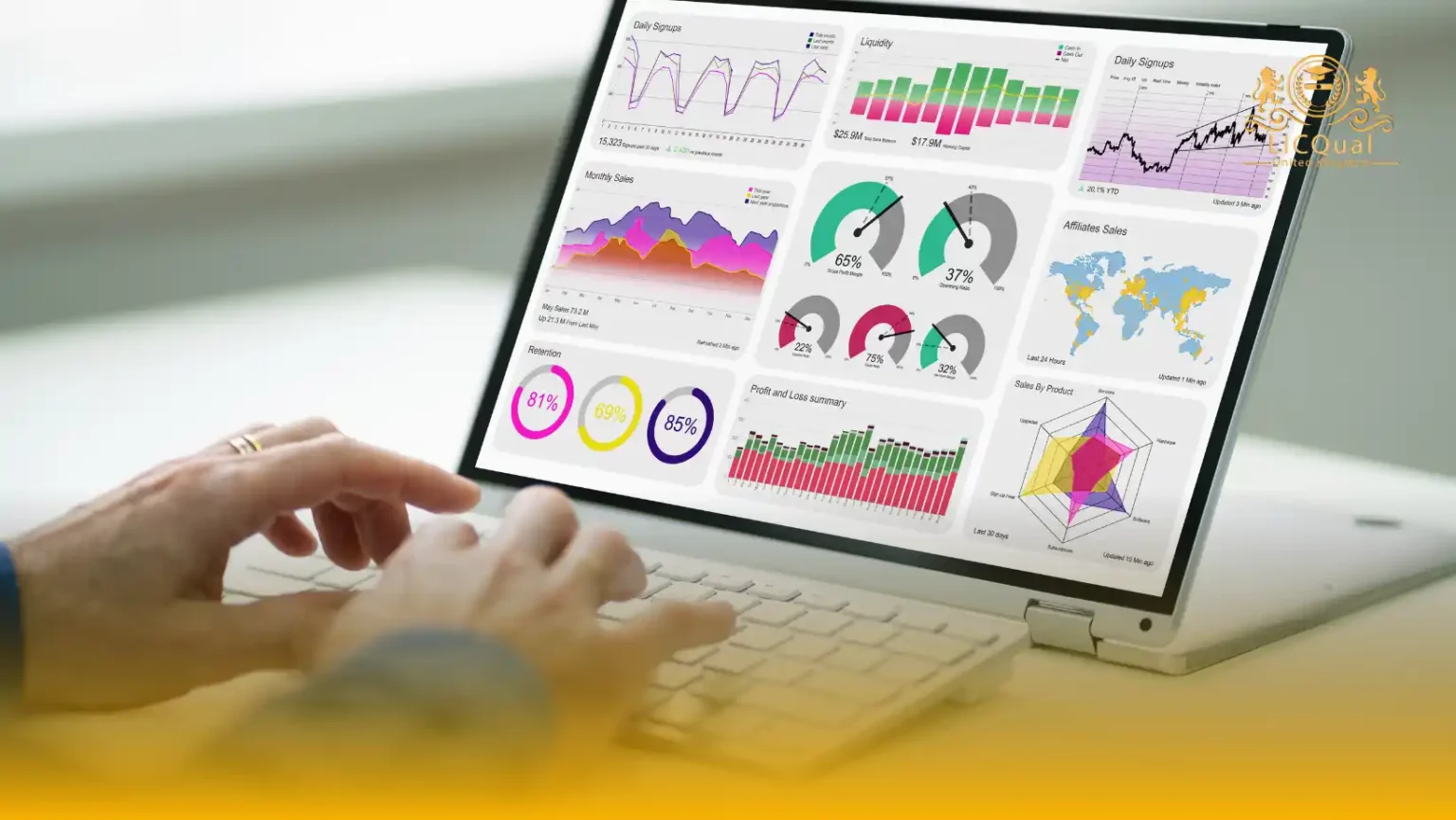
Healthcare Informatics and Analytics
The LICQual Level 3 Diploma in Healthcare Informatics and Analytics is a comprehensive qualification designed to equip learners with the essential knowledge and skills required to manage, analyse, and interpret healthcare data effectively. This course covers key areas such as health information systems, data management, clinical analytics, reporting, and regulatory compliance, enabling learners to transform data into actionable insights for improved patient care and organizational efficiency.
Throughout the program, the learner develops practical competencies in data collection, analysis, visualization, and decision-making within healthcare environments. The course emphasizes understanding healthcare metrics, ensuring data accuracy, and maintaining confidentiality while supporting strategic planning and performance improvement initiatives.
Learners also gain skills in problem-solving, critical thinking, and effective communication, which are essential for driving data-driven decisions in healthcare organizations. By completing this diploma, the learner strengthens professional credibility and career prospects. The learner will be fully prepared to manage healthcare data, implement analytics solutions, and support evidence-based decision-making in healthcare settings.
Course Overview
Qualification Title
LICQual Level 3 Diploma in Healthcare Informatics and Analytics
Total Units
6
Total Credits
60
GLH
240
Qualification #
LICQ2200752
Qualification Specification
To enroll in the LICQual Level 3 Diploma in Healthcare Informatics and Analytics, applicants must meet the following criteria:
|
Qualification# |
Unit Title |
Credits |
GLH |
|---|---|---|---|
|
LICQ2200752-1 |
Introduction to Healthcare Informatics |
10 |
40 |
|
LICQ2200752-2 |
Healthcare Data Collection and Management |
10 |
40 |
|
LICQ2200752-3 |
Data Analytics and Statistical Methods in Healthcare |
10 |
40 |
|
LICQ2200752-4 |
Healthcare Decision Support Systems |
10 |
40 |
|
LICQ2200752-5 |
Digital Health Technologies and Innovation |
10 |
40 |
|
LICQ2200752-6 |
Practical Applications of Healthcare Informatics and Analytics |
10 |
40 |
By the end of this course, learners will be able to:
1. Introduction to Healthcare Informatics
- Explain the fundamental concepts and importance of healthcare informatics.
- Identify different types and sources of healthcare data.
- Understand the principles of digital healthcare and information management.
- Recognise the legal, ethical, and regulatory considerations in healthcare data management.
2. Healthcare Data Collection and Management
- Demonstrate effective methods for collecting and managing healthcare data.
- Apply data governance and quality assurance principles in healthcare settings.
- Utilise Electronic Health Records (EHR) and other digital systems accurately.
- Ensure data security, confidentiality, and compliance with relevant legislation.
3. Data Analytics and Statistical Methods in Healthcare
- Apply statistical techniques to analyse healthcare data.
- Interpret quantitative and qualitative healthcare data to inform decisions.
- Use analytical tools and software to generate meaningful insights.
- Evaluate trends and patterns to support evidence-based practice.
4. Healthcare Decision Support Systems
- Explain the purpose and functionality of decision support systems in healthcare.
- Integrate analytical findings into clinical and operational decision-making.
- Design dashboards and reporting systems to improve healthcare outcomes.
- Analyse case studies to understand effective implementation of decision support technologies.
5. Digital Health Technologies and Innovation
- Assess emerging digital technologies in healthcare, including AI, telemedicine, and IoT.
- Evaluate the impact of digital solutions on patient care and operational efficiency.
- Develop strategies to adopt and integrate innovative technologies in healthcare settings.
- Critically assess risks and benefits associated with new healthcare technologies.
6. Practical Applications of Healthcare Informatics and Analytics
- Conduct practical healthcare data analysis projects using real-world datasets.
- Develop actionable insights to inform organisational decision-making.
- Present findings effectively to support healthcare service improvement.
- Apply healthcare informatics and analytics knowledge to enhance patient care, efficiency, and compliance.
This qualification is designed for professionals in the healthcare sector who wish to enhance their expertise in healthcare informatics and analytics. Ideal learners include:
- Healthcare Managers and Administrators seeking to improve operational efficiency through data-driven decision-making.
- Clinical Practitioners and Nurses aiming to apply informatics and analytics to enhance patient care and clinical outcomes.
- Data Analysts and IT Professionals working in healthcare settings who want to specialise in healthcare data management and reporting.
- Healthcare Consultants and Advisors looking to strengthen their knowledge of digital health technologies and analytics to support clients effectively.
- Professionals involved in Healthcare Operations or Policy Development who need to interpret data, generate insights, and support evidence-based decision-making.
- Learners committed to Continuing Professional Development (CPD) and career progression within the healthcare sector.
By enrolling in this diploma, learners will gain the practical skills, analytical expertise, and knowledge necessary to harness healthcare data, implement digital solutions, and contribute meaningfully to the improvement of healthcare services and organizational performance.
To ensure high-quality delivery and learner success, centres offering the LICQual Level 3 Diploma in Healthcare Informatics and Analytics must meet the following requirements:
- Qualified and Competent Staff: Centres must have experienced trainers and assessors with expertise in healthcare informatics, analytics, and relevant healthcare practices. Staff should demonstrate a strong understanding of digital health systems and data management.
- Comprehensive Learning Resources: Centres must provide learners with access to up-to-date study materials, healthcare datasets, analytical software, and digital tools required to complete practical assignments and assessments.
- Suitable Learning Environment: Centres should maintain a safe, well-equipped, and supportive learning environment, including access to computers, internet connectivity, and software necessary for healthcare data analysis and informatics projects.
- Assessment and Quality Assurance: Centres must implement robust assessment procedures aligned with the qualification standards, ensuring fair, valid, and reliable evaluation of learner performance. Continuous monitoring and quality assurance systems should be in place to maintain high standards.
- Support for Learners: Centres must provide ongoing guidance and support, including tutoring, mentoring, and feedback, to help learners apply their knowledge in practical healthcare settings and achieve their professional development goals.
- Commitment to CPD and Industry Standards: Centres should encourage both staff and learners to engage in Continuing Professional Development (CPD) and maintain alignment with current healthcare and informatics industry standards.
By adhering to these centre requirements, organizations can deliver a professional, high-quality learning experience that equips learners with the knowledge, skills, and practical expertise to succeed in healthcare informatics and analytics.
Assessment and Verification
All units within this qualification are subject to internal assessment by the approved centre and external verification by LICQual. The qualification follows a criterion-referenced assessment approach, ensuring that learners meet all specified learning outcomes.
To achieve a ‘Pass’ in any unit, learners must provide valid, sufficient, and authentic evidence demonstrating their attainment of all learning outcomes and compliance with the prescribed assessment criteria. The Assessor is responsible for evaluating the evidence and determining whether the learner has successfully met the required standards.
Assessors must maintain a clear and comprehensive audit trail, documenting the basis for their assessment decisions to ensure transparency, consistency, and compliance with quality assurance requirements.