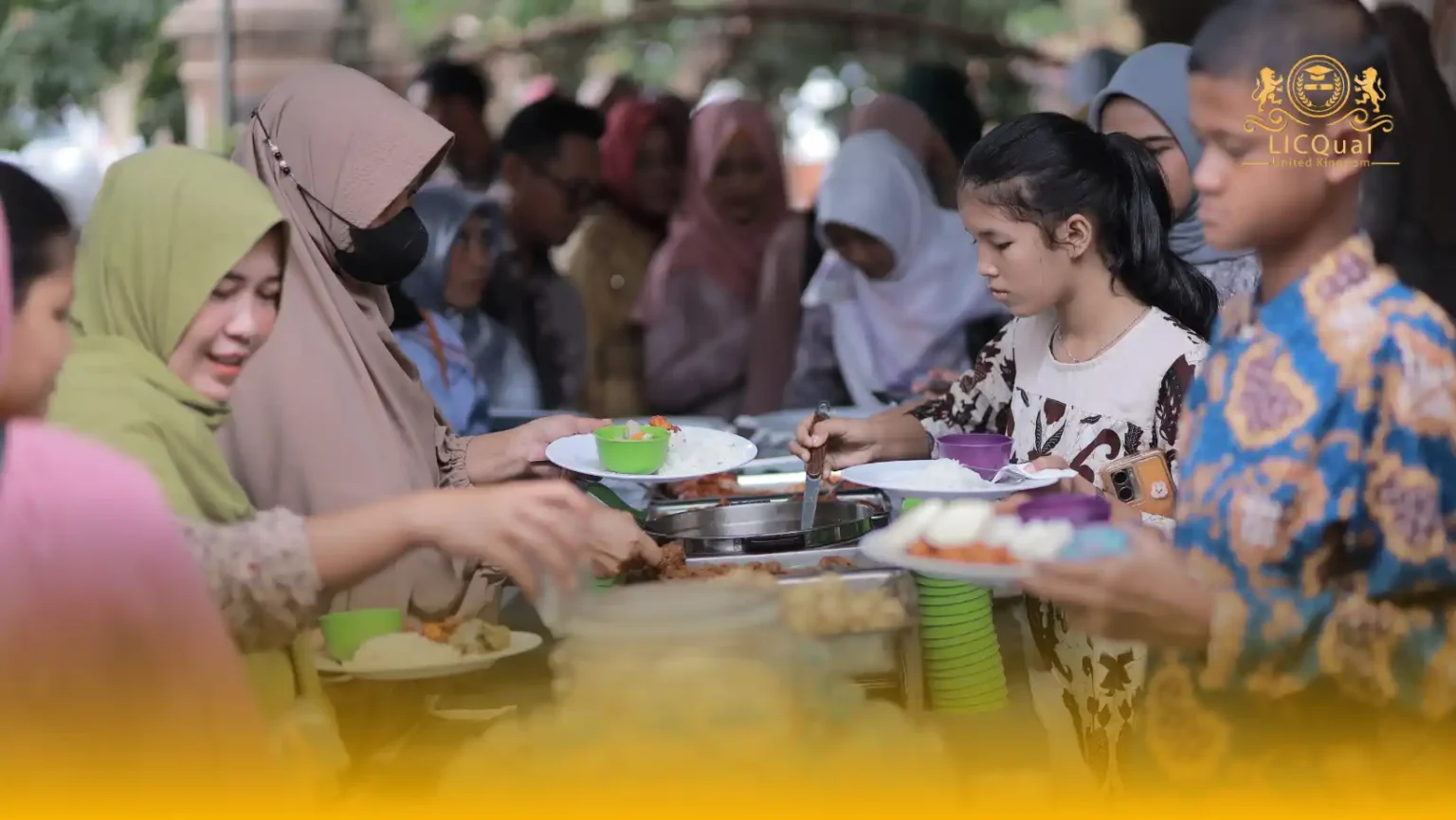
Promoting health and wellbeing at the community level requires advanced knowledge of nutrition and public health strategies. The LICQual Level 6 Diploma in Community Nutrition (Dip Community Nutrition) is designed to provide learners with comprehensive skills to assess, plan, and implement effective nutrition programs that improve population health. This Level 6 diploma is ideal for nutritionists, dietitians, healthcare professionals, and public health practitioners who want to specialize in community nutrition.
Through this course, learners will explore the science of community nutrition, including dietary assessment, nutrition education, and population health strategies. The Level 6 Diploma in Community Nutrition emphasizes evidence-based approaches to prevent malnutrition, manage chronic diseases, and promote healthy lifestyles across diverse communities. Learners will also gain insights into monitoring and evaluating community nutrition programs, identifying nutritional risks, and designing sustainable interventions.
The program focuses on practical application, enabling learners to implement nutrition programs, analyze dietary data, and develop evidence-based strategies for local authorities, NGOs, and healthcare organizations. As an LICQual Community Nutrition Qualification, this diploma meets internationally recognized standards, ensuring professional credibility and opening career opportunities in public health, healthcare, and community nutrition sectors.
By completing the Community Nutrition Diploma, learners gain expertise in population-level nutrition assessment, master the design of effective interventions, and prepare for leadership roles in public health nutrition. Whether your goal is to advance your career, contribute to community wellbeing, or lead nutrition programs in healthcare or social care settings, the LICQual Level 6 Diploma in Community Nutrition (Dip Community Nutrition) offers a professional, career-focused pathway to success.
Course Overview
Qualification Title
LICQual Level 6 Diploma in Community Nutrition (Dip Community Nutrition)
Total Units
6
Total Credits
120
GLH
480
Qualification #
LICQ2201068
Qualification Specification
To enroll in the LICQual Level 6 Diploma in Community Nutrition (Dip Community Nutrition), applicants must meet the following criteria:
|
Qualification# |
Unit Title |
Credits |
GLH |
|---|---|---|---|
|
LICQ2201068-1 |
Principles of Community Nutrition |
20 |
80 |
|
LICQ2201068-2 |
Nutritional Assessment and Epidemiology |
20 |
80 |
|
LICQ2201068-3 |
Planning and Implementing Community Nutrition Programmes |
20 |
80 |
|
LICQ2201068-4 |
Public Health Policy and Nutrition Guidelines |
20 |
80 |
|
LICQ2201068-5 |
Research Methods in Community Nutrition |
20 |
80 |
|
LICQ2201068-6 |
Professional Practice, Ethics, and CPD in Community Nutrition |
20 |
80 |
By the end of this course, learners will be able to:
Unit 1: Principles of Community Nutrition
By the end of this unit, the learner will be able to:
- Explain the role and scope of community nutrition in public health
- Analyse determinants of dietary habits and nutritional status in diverse populations
- Evaluate strategies for health promotion and disease prevention through nutrition
- Critically assess community nutritional needs and priorities
Unit 2: Nutritional Assessment and Epidemiology
By the end of this unit, the learner will be able to:
- Conduct comprehensive nutritional assessments at the community level using anthropometric, biochemical, and dietary methods
- Analyse and interpret population health and dietary data
- Identify nutritional deficiencies, excesses, and risk factors within communities
- Apply epidemiological evidence to inform community nutrition interventions
Unit 3: Planning and Implementing Community Nutrition Programmes
By the end of this unit, the learner will be able to:
- Design evidence-based community nutrition interventions to address identified needs
- Develop and implement programme plans, monitoring, and evaluation strategies
- Engage effectively with stakeholders and encourage community participation
- Apply behaviour change and health promotion theories to improve dietary outcomes
Unit 4: Public Health Policy and Nutrition Guidelines
By the end of this unit, the learner will be able to:
- Explain national and local nutrition policies, legislation, and guidelines
- Apply policy frameworks to develop strategies for community nutrition improvement
- Evaluate the impact and effectiveness of public health nutrition programmes
- Promote equity and access to healthy diets across different population groups
Unit 5: Research Methods in Community Nutrition
By the end of this unit, the learner will be able to:
- Apply quantitative and qualitative research methods to community nutrition studies
- Plan, conduct, and evaluate research projects ethically and systematically
- Critically appraise scientific literature for relevance and reliability
- Translate research evidence into practical recommendations for public health interventions
Unit 6: Professional Practice, Ethics, and CPD in Community Nutrition
By the end of this unit, the learner will be able to:
- Demonstrate professional and ethical standards in community nutrition practice
- Apply leadership, management, and consultancy principles within public health settings
- Communicate effectively with stakeholders, policymakers, and multidisciplinary teams
- Plan and engage in Continuing Professional Development (CPD) to advance professional practice
The LICQual Level 6 Diploma in Community Nutrition is designed for professionals, students, and healthcare practitioners seeking advanced knowledge in nutrition and public health. This course equips learners with practical skills to design, implement, and evaluate community nutrition programs that improve population wellbeing.
Nutritionists and Dietitians
- Gain expertise in community dietary assessment
- Plan and implement nutrition programs for diverse populations
- Address malnutrition and nutrient deficiencies effectively
- Use evidence-based strategies to improve public health outcomes
- Collaborate with healthcare organizations and NGOs
- Enhance professional credibility with an internationally recognized qualification
Public Health Professionals
- Develop and monitor public health nutrition initiatives
- Identify community nutritional risks and challenges
- Implement evidence-based health promotion strategies
- Collaborate with policymakers and health authorities
- Evaluate program effectiveness and outcomes
- Prepare for leadership roles in public health and community nutrition
Healthcare Practitioners
- Integrate community nutrition principles into patient care
- Support disease prevention and health promotion through diet
- Assess dietary patterns at the population level
- Develop interventions for vulnerable groups
- Gain practical skills in nutrition education and counseling
- Strengthen career prospects in public health and healthcare sectors
Students and Researchers
- Gain an internationally recognized Level 6 qualification
- Conduct research on population nutrition and dietary interventions
- Analyze data to improve community health outcomes
- Prepare for postgraduate studies or research-focused careers
- Develop expertise in public health nutrition strategies
- Increase employability in healthcare, NGOs, and research institutions
NGOs and Community Organizations
- Implement nutrition programs for local and global communities
- Conduct community dietary assessments and interventions
- Educate populations on healthy eating and lifestyle habits
- Monitor and evaluate program outcomes effectively
- Collaborate with health professionals for community wellbeing
- Enhance organizational impact through expert nutrition guidance
Fitness and Wellness Professionals
- Understand population nutrition trends and their health implications
- Advise communities on healthy dietary practices
- Integrate nutrition strategies into wellness programs
- Support lifestyle modification and disease prevention initiatives
- Gain skills in evidence-based nutrition counseling
- Boost professional credibility and career growth
Policy Makers and Consultants
- Develop evidence-based nutrition policies for public health
- Analyze population-level dietary trends and health data
- Design effective nutrition interventions for communities
- Evaluate the impact of health programs and policies
- Offer expert advice to government and NGOs
- Build a career in community nutrition consultancy
To deliver the LICQual Level 6 Diploma in Community Nutrition (Dip Community Nutrition) effectively, centres must meet the following requirements to ensure high-quality training and learner success:
- Qualified and Competent Staff: All teaching and assessment staff must hold relevant qualifications in community nutrition, public health, dietetics, or related healthcare fields, with substantial professional experience. Staff should be capable of delivering Level 6 curriculum content and supporting learners in achieving their learning outcomes.
- Comprehensive Learning Resources: Centres must provide learners with access to essential learning materials, including textbooks, public health guidelines, research journals, online databases, and relevant software to support evidence-based practice.
- Facilities and Equipment: Centres should have classrooms, laboratories, and practical spaces suitable for interactive learning, workshops, and community nutrition activities. Access to IT resources, computers, and reliable internet connectivity is essential.
- Assessment and Quality Assurance: Centres must implement robust assessment procedures aligned with Level 6 standards, ensuring assessments are fair, valid, and reliable. Quality assurance processes should monitor teaching effectiveness and learner progress.
- Learner Support: Centres should provide guidance on study skills, access to tutors, and advice on professional development opportunities to support learners throughout the programme.
- Commitment to Continuing Professional Development (CPD): Centres must encourage CPD for both staff and learners, fostering ongoing skill development and career advancement.
- Regulatory Compliance: Centres must adhere to all relevant health, safety, and educational regulations, ensuring a safe, professional, and conducive learning environment.
Meeting these requirements ensures learners receive high-quality education, develop advanced competencies in community nutrition, and achieve their full potential in public health practice.
Assessment and Verification
All units within this qualification are subject to internal assessment by the approved centre and external verification by LICQual. The qualification follows a criterion-referenced assessment approach, ensuring that learners meet all specified learning outcomes.
To achieve a ‘Pass’ in any unit, learners must provide valid, sufficient, and authentic evidence demonstrating their attainment of all learning outcomes and compliance with the prescribed assessment criteria. The Assessor is responsible for evaluating the evidence and determining whether the learner has successfully met the required standards.
Assessors must maintain a clear and comprehensive audit trail, documenting the basis for their assessment decisions to ensure transparency, consistency, and compliance with quality assurance requirements.