
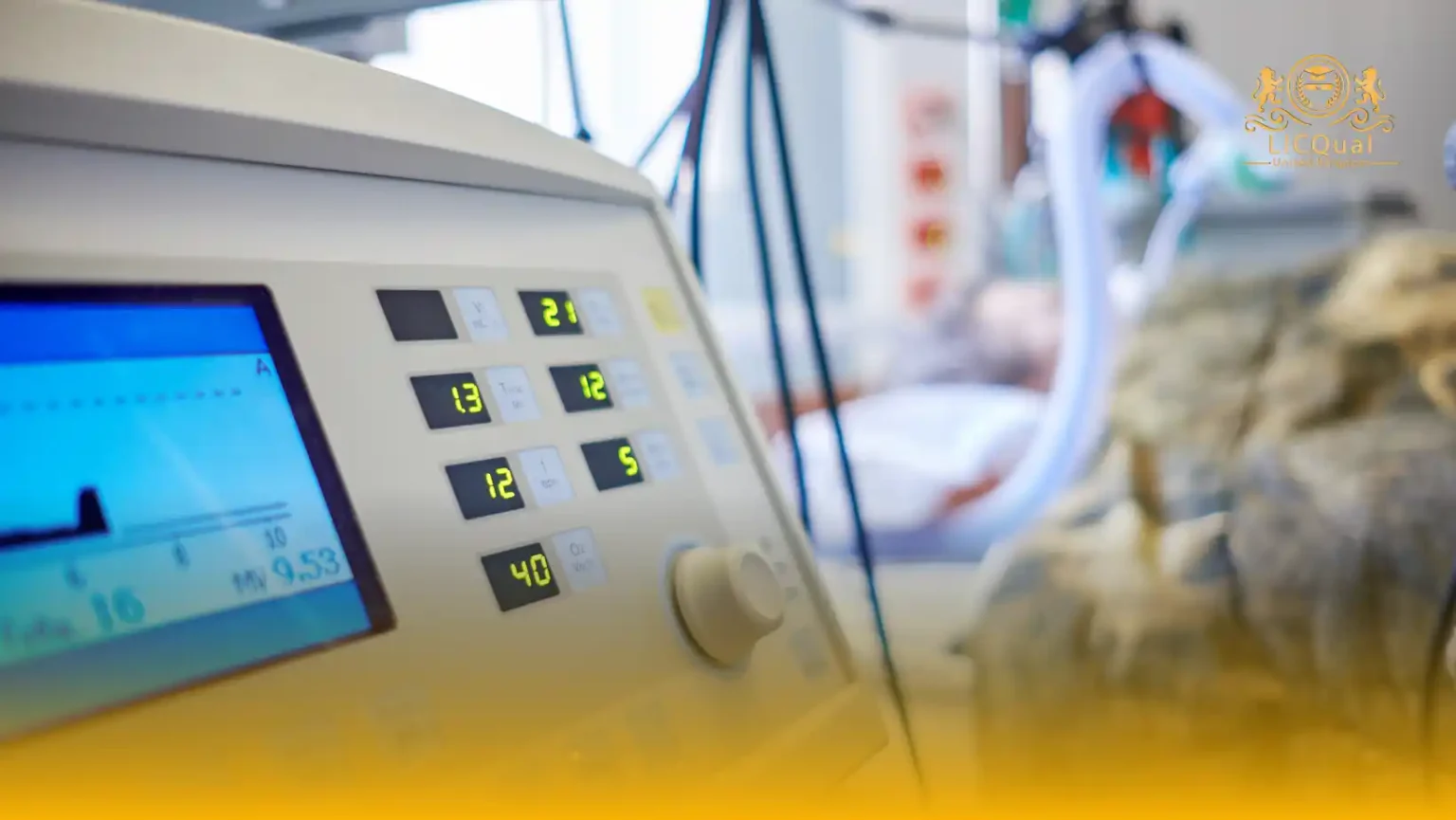
The LICQual Level 3 Certificate in Nutritional Support in Critical Care (Cert Critical Care Nutrition) is an internationally recognized qualification designed for healthcare professionals, students, and individuals who want to specialize in the vital role of nutrition in critical care settings. This accredited critical care nutrition diploma blends scientific knowledge with practical application, preparing learners to deliver effective nutritional support to patients in intensive care units, emergency departments, and specialized hospital wards.
If you are searching for a Level 3 critical care nutrition course online that is flexible, affordable, and career‑focused, this program is the perfect choice. Delivered through online critical care nutrition training, it allows you to study at your own pace while earning a globally recognized certificate in nutritional support in critical care. Whether you are a doctor, nurse, dietitian, or public health worker, this internationally accredited qualification equips you with the expertise to provide evidence‑based nutritional care for patients facing life‑threatening conditions.
The curriculum covers essential topics such as metabolic response to trauma, nutritional assessment in critical illness, enteral and parenteral feeding strategies, and the role of nutrition in recovery and survival. By completing this critical care nutrition certification program, you will enhance your professional credibility, strengthen your career prospects, and gain practical skills that can be applied in hospitals, ICUs, research institutions, and community health programs.
What makes this course stand out is its focus on evidence‑based practice and international recognition. Learners benefit from expert guidance, structured online modules, and a qualification respected across borders. The program is designed to meet global accreditation standards, ensuring that your certificate demonstrates competence in one of the most essential areas of modern healthcare
Course Overview
Qualification Title
LICQual Level 3 Certificate in Nutritional Support in Critical Care (Cert Critical Care Nutrition)
Total Units
6
Total Credits
24
GLH
120
Qualification #
LICQ2201018
Qualification Specification
To enroll in the LICQual Level 3 Certificate in Nutritional Support in Critical Care (Cert Critical Care Nutrition), applicants must meet the following criteria:
|
Qualification# |
Unit Title |
Credits |
GLH |
|---|---|---|---|
|
LICQ2201018-1 |
Introduction to Nutritional Support in Critical Care |
4 |
20 |
|
LICQ2201018-2 |
Physiological and Metabolic Changes in Critical Illness |
4 |
20 |
|
LICQ2201018-3 |
Assessment and Monitoring of Nutritional Status |
4 |
20 |
|
LICQ2201018-4 |
Enteral and Parenteral Nutrition Support |
4 |
20 |
|
LICQ2201018-5 |
Clinical Decision-Making and Intervention Strategies |
4 |
20 |
|
LICQ2201018-6 |
Professional Practice in Critical Care Nutrition |
4 |
20 |
By the end of this course, learners will be able to:
Unit 1: Introduction to Nutritional Support in Critical Care
By the end of this unit, learners will be able to
- Explain the principles and importance of nutritional support in critical care
- Analyse the role of healthcare professionals in delivering nutrition interventions in high-dependency and intensive care settings
- Evaluate the impact of malnutrition on patient recovery and outcomes
- Identify key factors influencing effective nutritional care in critically ill patients
Unit 2: Physiological and Metabolic Changes in Critical Illness
By the end of this unit, learners will be able to
- Describe the physiological and metabolic responses to critical illness
- Analyse how illness and stress affect energy requirements and nutrient metabolism
- Evaluate the implications of metabolic changes for nutritional assessment and intervention
- Apply knowledge of physiological processes to inform patient care decisions
Unit 3: Assessment and Monitoring of Nutritional Status
By the end of this unit, learners will be able to
- Conduct comprehensive assessments of critically ill patients’ nutritional status
- Interpret clinical, biochemical, and anthropometric data to inform care planning
- Identify patients at risk of malnutrition or nutrient deficiencies
- Monitor and evaluate the effectiveness of nutritional interventions
Unit 4: Enteral and Parenteral Nutrition Support
By the end of this unit, learners will be able to
- Explain the principles, indications, and contraindications of enteral and parenteral nutrition
- Select appropriate nutrition formulas and delivery methods for individual patients
- Manage potential complications associated with nutritional support
- Apply evidence-based practices to optimise nutrition delivery in critical care
Unit 5: Clinical Decision-Making and Intervention Strategies
By the end of this unit, learners will be able to
- Develop personalised nutritional intervention plans for critically ill patients
- Apply clinical reasoning and evidence-based practice to support decision-making
- Evaluate the effectiveness of interventions and adjust care plans as needed
- Integrate multidisciplinary input to enhance patient outcomes
Unit 6: Professional Practice in Critical Care Nutrition
By the end of this unit, learners will be able to
- Demonstrate professional, ethical, and legal responsibilities in critical care nutrition practice
- Communicate effectively with patients, families, and multidisciplinary teams
- Apply evidence-based practice to support high-quality patient care
- Engage in Continuing Professional Development (CPD) to enhance knowledge and competence
The LICQual Level 3 Certificate in Nutritional Support in Critical Care is designed for healthcare professionals, students, and individuals who want to specialize in nutrition for critically ill patients. This internationally recognized qualification is perfect for those seeking career growth, accreditation, and practical skills in critical care nutrition. Whether you are a doctor, nurse, dietitian, or public health worker, this accredited critical care nutrition diploma provides the knowledge and certification needed to make a real impact in hospitals, ICUs, and community health programs.
1. Healthcare Professionals
- Doctors aiming to integrate nutritional support into critical care treatment plans
- Nurses working in intensive care units, emergency departments, or hospital wards
- Dietitians specializing in critical care nutrition and patient recovery
- Midwives supporting maternal and neonatal nutrition in high‑risk cases
- Public health workers improving outcomes for critically ill patients through nutrition
2. Medical and Health Students
- Undergraduate medical students preparing for advanced qualifications in critical care
- Nursing students seeking practical training in nutritional support
- Public health students focusing on nutrition in disease prevention and recovery
- Nutrition science students wanting international accreditation in critical care nutrition
- Learners strengthening their CV with a recognized certificate
3. Public Health and Community Workers
- NGO professionals delivering nutrition awareness in emergency health programs
- Community health workers supporting families with critical care nutrition education
- Policy makers designing nutrition‑based healthcare strategies for critical illness
- Social workers involved in patient rehabilitation and recovery projects
- Educators promoting evidence‑based nutrition in healthcare communities
4. Aspiring Nutritionists and Dietitians
- Individuals planning a career in nutrition and dietetics
- Learners seeking specialized knowledge in critical care nutrition
- Professionals wanting to enhance credibility with Level 3 certification
- Those aiming to work in hospitals, clinics, or wellness centers
- Students preparing for advanced diplomas in nutrition and healthcare
5. International Learners
- Healthcare professionals in Pakistan, Middle East, and UK
- Students seeking globally recognized critical care nutrition diploma
- Learners aiming for international career opportunities in healthcare
- Professionals needing accredited online training for career progression
- Individuals looking for flexible, affordable online learning options
Centres delivering the LICQual Level 3 Certificate in Nutritional Support in Critical Care must provide a high-quality learning environment to ensure learner success. To achieve this, centres are expected to
- Employ competent and qualified staff with expertise in critical care nutrition, dietetics, and allied health practice
- Provide access to up-to-date learning materials, including textbooks, digital resources, and practical assessment tools
- Maintain suitable teaching facilities, whether in-person or online, that support effective learning and engagement
- Ensure learners have access to all necessary equipment and resources to support both theoretical and practical study
- Implement robust teaching, learning, and assessment strategies aligned with Level 3 standards
- Support learners in meeting professional, ethical, and clinical practice requirements, including Continuing Professional Development (CPD)
- Monitor and review teaching quality and learner outcomes to continually enhance the learning experience
By meeting these requirements, centres ensure that learners receive comprehensive training, develop practical competence, and acquire the knowledge necessary to deliver high-quality nutritional care in critical care settings.
Assessment and Verification
All units within this qualification are subject to internal assessment by the approved centre and external verification by LICQual. The qualification follows a criterion-referenced assessment approach, ensuring that learners meet all specified learning outcomes.
To achieve a ‘Pass’ in any unit, learners must provide valid, sufficient, and authentic evidence demonstrating their attainment of all learning outcomes and compliance with the prescribed assessment criteria. The Assessor is responsible for evaluating the evidence and determining whether the learner has successfully met the required standards.
Assessors must maintain a clear and comprehensive audit trail, documenting the basis for their assessment decisions to ensure transparency, consistency, and compliance with quality assurance requirements.