
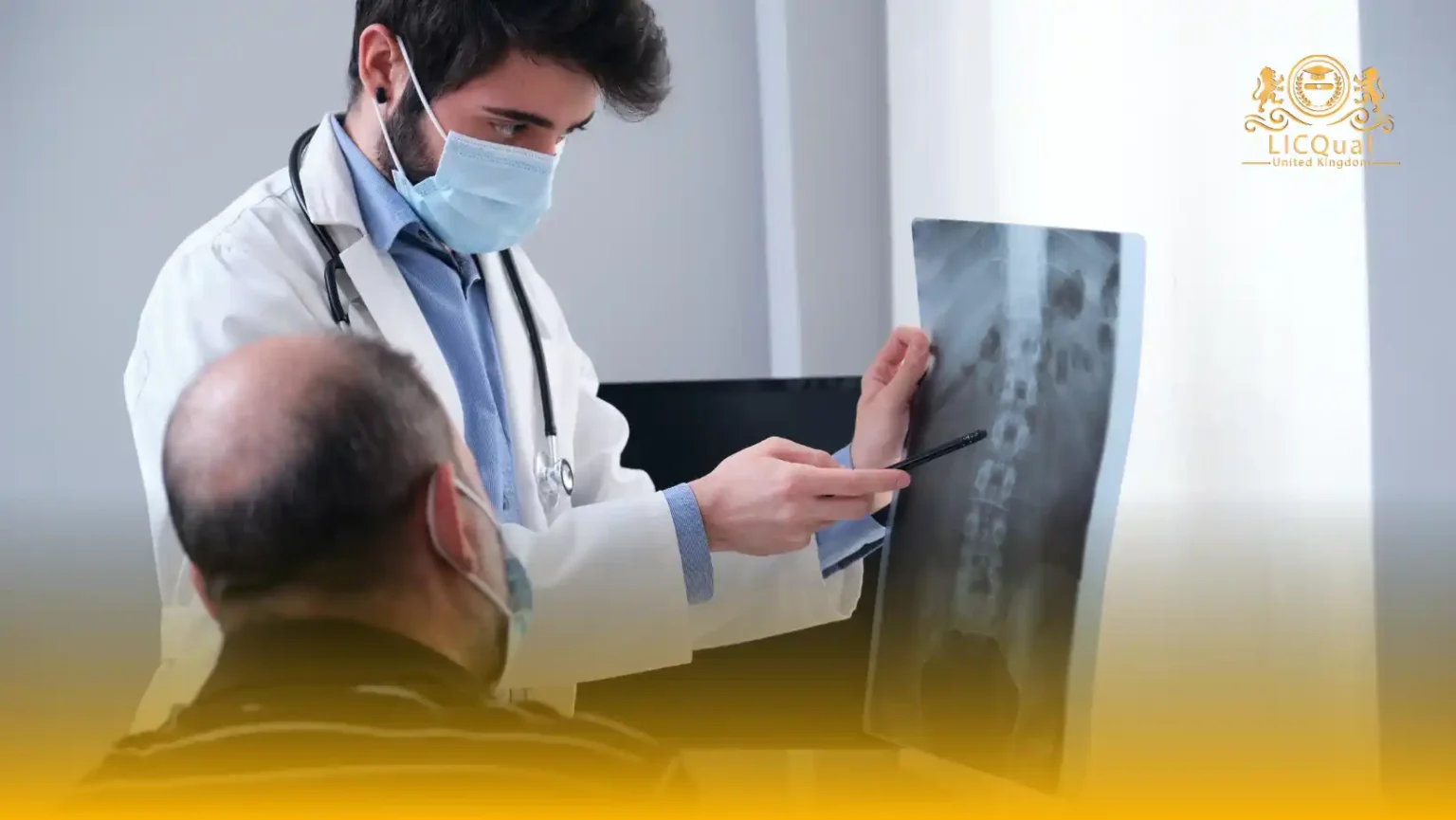
Are you passionate about advancing your medical career in the field of musculoskeletal and autoimmune diseases? The LICQual Level 7 Postgraduate Diploma in Rheumatology (PgDR) is a prestigious UK-recognized qualification designed for healthcare professionals who want to master the diagnosis, management, and treatment of rheumatologic disorders. This advanced Level 7 Diploma in Rheumatology combines academic excellence, clinical expertise, and research-based learning to help you become a true specialist in your field.
Through this comprehensive postgraduate diploma in rheumatology UK program, you’ll explore a wide range of topics, including arthritis care, autoimmune diseases, musculoskeletal medicine, and advanced therapeutic strategies. The LICQual PgDR course emphasizes real-world applications, critical analysis, and patient-centered care, ensuring you develop the skills needed for effective clinical practice and leadership in rheumatology.
Whether you’re a physician, general practitioner, or healthcare specialist, this postgraduate diploma offers the flexibility and depth to suit your professional needs. You’ll gain valuable insights into disease mechanisms, diagnostic imaging, pharmacologic interventions, and evidence-based management approaches used by top rheumatologists worldwide. The course is ideal for those seeking career advancement in rheumatology and musculoskeletal medicine, offering both online and blended learning pathways.
Graduates of this rheumatology postgraduate diploma will have the expertise to work confidently in hospitals, research institutions, and private practices across the globe. With an accredited Level 7 Postgraduate Diploma in Rheumatology, you’ll not only strengthen your medical knowledge but also earn international recognition that enhances your professional credibility and mobility.
If you are looking for an advanced, practical, and research-driven qualification, the LICQual Level 7 Postgraduate Diploma in Rheumatology (PgDR) provides the perfect platform to specialize, grow, and make a meaningful impact in patient care and chronic disease management.
Course Overview
Qualification Title
LICQual Level 7 Postgraduate Diploma in Rheumatology (PgDR)
Total Units
6
Total Credits
120
GLH
600
Qualification #
LICQ2200981
Qualification Specification
To enroll in the LICQual Level 7 Postgraduate Diploma in Rheumatology (PgDR), applicants must meet the following criteria:
|
Qualification# |
Unit Title |
Credits |
GLH |
|---|---|---|---|
|
LICQ2200981-1 |
Advanced Musculoskeletal Anatomy and Physiology |
20 |
100 |
|
LICQ2200981-2 |
Diagnostic Techniques in Rheumatology |
20 |
100 |
|
LICQ2200981-3 |
Medical Management of Rheumatic Disorders |
20 |
100 |
|
LICQ2200981-4 |
Advanced Therapeutic Procedures and Interventions |
20 |
100 |
|
LICQ2200981-5 |
Research Methods and Evidence-Based Rheumatology |
20 |
100 |
|
LICQ2200981-6 |
Professional Practice, Ethics, and Continuing Development |
20 |
100 |
By the end of this course, learners will be able to:
Unit 1: Advanced Musculoskeletal Anatomy and Physiology
By the end of this unit, learners will be able to:
- Analyse the structure and function of bones, joints, muscles, and connective tissues.
- Evaluate the pathophysiology of common musculoskeletal and rheumatic disorders.
- Assess immunological mechanisms underlying autoimmune and inflammatory conditions.
- Apply anatomical and physiological knowledge to clinical assessment and decision-making.
Unit 2: Diagnostic Techniques in Rheumatology
By the end of this unit, learners will be able to:
- Demonstrate expertise in laboratory investigations, including autoantibodies and inflammatory markers.
- Interpret imaging modalities such as X-ray, MRI, ultrasound, and CT scans.
- Conduct functional assessments and apply clinical scoring systems.
- Integrate diagnostic findings into patient management plans.
Unit 3: Medical Management of Rheumatic Disorders
By the end of this unit, learners will be able to:
- Develop evidence-based treatment plans using pharmacological interventions such as DMARDs, biologics, and corticosteroids.
- Manage autoimmune and inflammatory rheumatic conditions effectively.
- Apply pain management, rehabilitation, and non-pharmacological strategies in patient care.
- Critically evaluate treatment outcomes and modify management plans accordingly.
Unit 4: Advanced Therapeutic Procedures and Interventions
By the end of this unit, learners will be able to:
- Demonstrate knowledge of joint injections, synovial fluid analysis, and minimally invasive procedures.
- Integrate physiotherapy and occupational therapy approaches into patient care.
- Apply risk assessment and safety protocols in clinical procedures.
- Implement therapeutic interventions within multidisciplinary rheumatology teams.
Unit 5: Research Methods and Evidence-Based Rheumatology
By the end of this unit, learners will be able to:
- Design and conduct research projects in rheumatology using advanced methodologies.
- Critically appraise clinical literature and integrate findings into evidence-based practice.
- Apply statistical tools to interpret research data.
- Demonstrate ethical and professional conduct in rheumatology research.
Unit 6: Professional Practice, Ethics, and Continuing Development
By the end of this unit, learners will be able to:
- Demonstrate professional responsibilities and adhere to clinical governance standards.
- Apply ethical and legal frameworks in clinical and research practice.
- Lead and collaborate effectively within multidisciplinary healthcare teams.
- Develop strategies for Continuing Professional Development (CPD) and reflective practice.
The LICQual Level 7 Postgraduate Diploma in Rheumatology (PgDR) is ideal for healthcare professionals looking to advance their knowledge and expertise in musculoskeletal and autoimmune disorders. This course is perfect for doctors, specialists, and allied health professionals who want to develop clinical skills, gain international recognition, and pursue leadership roles in rheumatology and musculoskeletal medicine. It is designed to provide both theoretical knowledge and practical application for career advancement and professional excellence.
Medical Doctors and Physicians
- Enhance diagnostic skills in rheumatology and musculoskeletal conditions
- Master treatment strategies for autoimmune and chronic diseases
- Develop advanced clinical decision-making capabilities
- Gain UK-recognized postgraduate qualification
- Strengthen expertise for hospital and private practice settings
- Improve patient management and outcomes
Rheumatologists and Specialist Physicians
- Deepen knowledge of inflammatory and degenerative joint disorders
- Learn advanced therapeutic approaches and disease management
- Gain practical skills in imaging and laboratory assessment
- Access research-based learning for clinical application
- Enhance professional credibility in international healthcare
- Prepare for leadership and advisory roles
Allied Health Professionals and Clinicians
- Expand understanding of musculoskeletal medicine principles
- Improve patient assessment and care strategies
- Gain practical skills for multidisciplinary healthcare teams
- Learn evidence-based management approaches
- Strengthen communication with patients and specialists
- Develop competencies for clinical and research roles
Biomedical Scientists and Researchers
- Explore immunology and pathophysiology of rheumatologic disorders
- Engage in research-driven learning and practical case studies
- Contribute to innovations in treatment and diagnosis
- Publish and present research findings in professional forums
- Collaborate with clinicians on applied research projects
- Enhance career opportunities in academia and healthcare
Healthcare Administrators and Managers
- Understand management of rheumatology departments
- Develop policies for patient safety and care quality
- Learn resource allocation and operational best practices
- Gain insight into clinical governance and standards
- Support evidence-based healthcare initiatives
- Build leadership skills in hospital and clinical settings
International Medical Graduates and Specialists
- Obtain a UK-recognized qualification for global career mobility
- Adapt knowledge to international healthcare standards
- Enhance eligibility for specialist licensure abroad
- Access flexible study options suited to professionals
- Join a global network of rheumatology experts
- Expand opportunities for teaching, research, and clinical practice
Academic and Teaching Professionals
- Integrate advanced rheumatology knowledge into curricula
- Mentor and train healthcare students and professionals
- Participate in academic research and publications
- Strengthen institutional reputation with UK-accredited diploma
- Develop specialized workshops and training programs
- Enhance career portfolio with postgraduate credential
Centres delivering the LICQual Level 7 Postgraduate Diploma in Rheumatology must adhere to high standards to ensure exceptional education and learner success. Key requirements include:
- Qualified and Experienced Staff: All teaching and assessment personnel must be highly qualified in rheumatology, internal medicine, or related healthcare disciplines, with substantial clinical and academic experience.
- Modern Clinical Facilities: Centres must provide access to rheumatology clinics, diagnostic laboratories, and practical training areas essential for advanced study and hands-on learning.
- Comprehensive Learning Resources: Learners should have access to textbooks, academic journals, case studies, online learning platforms, and digital resources supporting in-depth study and research.
- Practical Training Opportunities: Centres must facilitate hands-on exercises, clinical simulations, joint injections, and case-based learning relevant to rheumatology practice.
- Rigorous Assessment and Evaluation: Centres must implement robust assessment strategies, including written assignments, research projects, and practical evaluations, to ensure learners achieve all learning outcomes.
- Ethical and Legal Compliance: Centres must adhere to professional, ethical, and legal standards in rheumatology education and clinical practice.
- Support for Continuing Professional Development (CPD): Centres should provide guidance for ongoing CPD, reflective practice, and professional development, enabling learners to apply advanced knowledge in clinical settings.
Meeting these requirements ensures learners receive world-class instruction, practical experience, and academic support, preparing them for leadership and advanced practice in rheumatology.
Assessment and Verification
All units within this qualification are subject to internal assessment by the approved centre and external verification by LICQual. The qualification follows a criterion-referenced assessment approach, ensuring that learners meet all specified learning outcomes.
To achieve a ‘Pass’ in any unit, learners must provide valid, sufficient, and authentic evidence demonstrating their attainment of all learning outcomes and compliance with the prescribed assessment criteria. The Assessor is responsible for evaluating the evidence and determining whether the learner has successfully met the required standards.
Assessors must maintain a clear and comprehensive audit trail, documenting the basis for their assessment decisions to ensure transparency, consistency, and compliance with quality assurance requirements.