
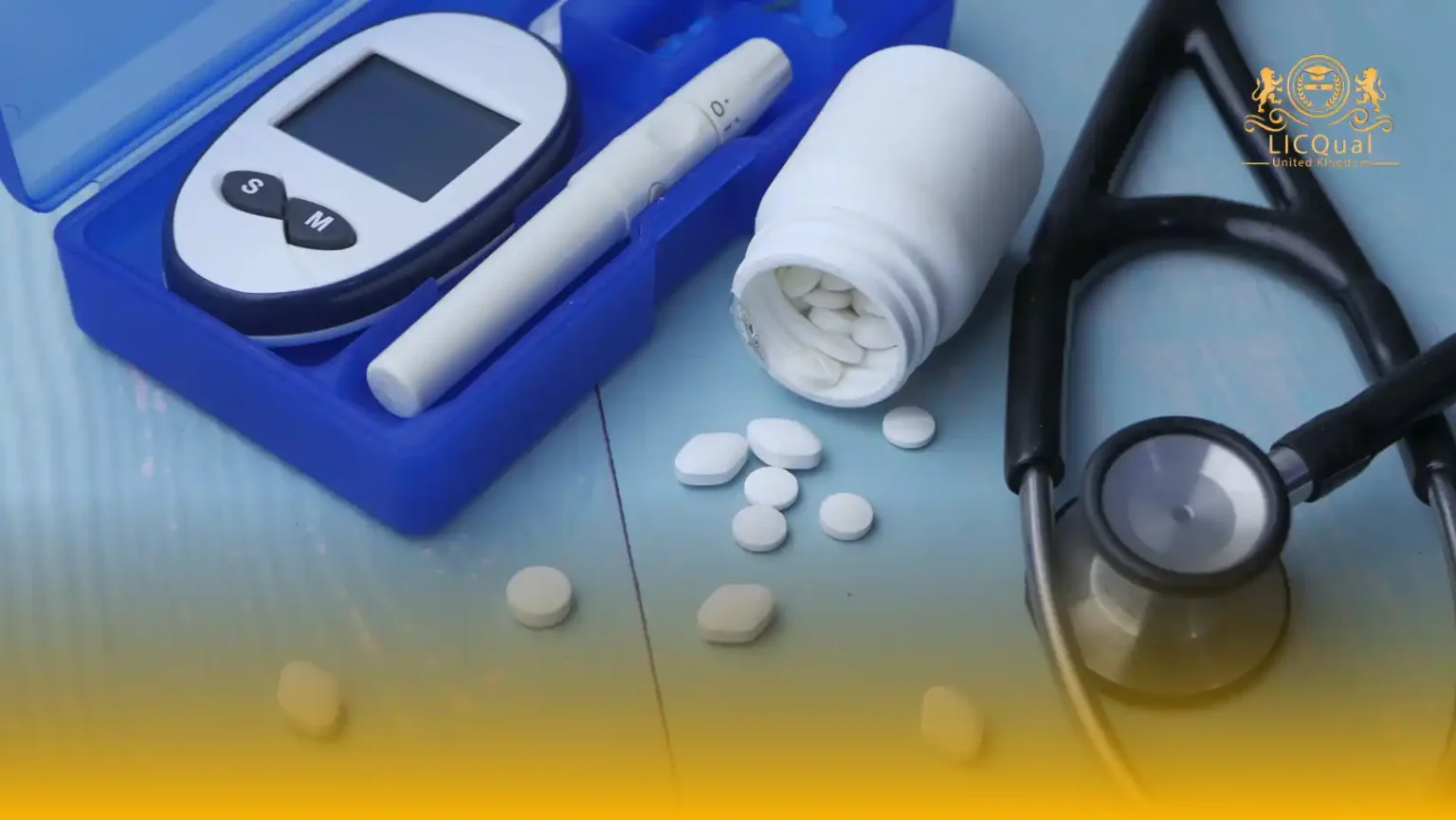
The LICQual Level 7 Postgraduate Diploma in Diabetes Management (PgDDM) is an internationally recognized qualification designed for healthcare professionals who want to specialize in the prevention, diagnosis, and treatment of diabetes. This Level 7 Diabetes Management qualification provides advanced knowledge and practical skills, making it one of the most comprehensive postgraduate programs in diabetes care available today.
Unlike short workshops or basic certifications, this advanced postgraduate diploma in diabetes care offers a structured curriculum that blends theory with clinical practice. Learners gain expertise in diabetes clinical assessment, patient-centered management strategies, and evidence-based treatment approaches. The program is CPD accredited and aligned with international standards, ensuring graduates are equipped with the credibility and confidence to deliver safe and effective diabetes care.
The PgDDM Diabetes Management course UK is tailored for doctors, nurses, and healthcare professionals who want to enhance their clinical practice or specialize in diabetes management. It is equally valuable for career changers entering healthcare, as it provides a strong foundation in both clinical knowledge and patient care. With modules covering diabetes pathology, advanced diagnostic techniques, lifestyle interventions, and pharmacological treatments, this program prepares learners to meet the growing global demand for skilled diabetes specialists.
What sets this postgraduate diploma apart is its global recognition and career impact. By completing the LICQual Level 7 Postgraduate Diploma in Diabetes Management, you not only gain advanced clinical expertise but also position yourself as a trusted authority in diabetes care. Whether your goal is to enhance your current role, pursue international opportunities, or establish yourself as a specialist, this program provides the pathway to success.
Course Overview
Qualification Title
LICQual Level 7 Postgraduate Diploma in Diabetes Management (PgDDM)
Total Units
6
Total Credits
120
GLH
600
Qualification #
LICQ2200956
Qualification Specification
To enroll in the LICQual Level 7 Postgraduate Diploma in Diabetes Management (PgDDM) , applicants must meet the following criteria:
|
Qualification# |
Unit Title |
Credits |
GLH |
|---|---|---|---|
|
LICQ2200956-1 |
Advanced Principles of Diabetes Management |
20 |
100 |
|
LICQ2200956-2 |
Clinical Assessment and Diagnosis in Diabetes |
20 |
100 |
|
LICQ2200956-3 |
Therapeutic Interventions and Diabetes Treatments |
20 |
100 |
|
LICQ2200956-4 |
Diabetes Complications and Advanced Care |
20 |
100 |
|
LICQ2200956-5 |
Diabetes Research, Audit, and Laboratory Interpretation |
20 |
100 |
|
LICQ2200956-6 |
Professional Practice, Ethics, and CPD in Diabetes Care |
20 |
100 |
By the end of this course, learners will be able to:
Unit 1: Advanced Principles of Diabetes Management
By the end of this unit, learners will be able to:
- Critically evaluate the pathophysiology, risk factors, and complications of diabetes mellitus
- Analyse current research and emerging innovations in diabetes care
- Apply evidence-based principles to inform clinical decision-making
- Assess strategies for prevention and management of diabetes at an advanced level
Unit 2: Clinical Assessment and Diagnosis in Diabetes
By the end of this unit, learners will be able to:
- Conduct comprehensive patient assessments using advanced clinical techniques
- Interpret laboratory tests, diagnostic investigations, and clinical data
- Apply differential diagnostic strategies to identify complex diabetes cases
- Formulate evidence-based management plans tailored to individual patient needs
Unit 3: Therapeutic Interventions and Diabetes Treatments
By the end of this unit, learners will be able to:
- Critically evaluate pharmacological, lifestyle, and multidisciplinary treatment approaches
- Design and implement personalised treatment plans for patients with diabetes
- Monitor patient outcomes and manage treatment-related complications
- Apply evidence-based strategies to optimise long-term diabetes care
Unit 4: Diabetes Complications and Advanced Care
By the end of this unit, learners will be able to:
- Analyse acute and chronic complications associated with diabetes
- Develop strategies for early detection, prevention, and management of complications
- Integrate multidisciplinary approaches to complex patient care
- Critically evaluate outcomes to improve quality of care
Unit 5: Diabetes Research, Audit, and Laboratory Interpretation
By the end of this unit, learners will be able to:
- Analyse laboratory data relevant to diabetes management
- Conduct clinical audits and quality improvement projects
- Critically appraise emerging research for application in clinical practice
- Apply research findings to enhance patient care and clinical decision-making
Unit 6: Professional Practice, Ethics, and CPD in Diabetes Care
By the end of this unit, learners will be able to:
- Apply ethical, legal, and professional standards in diabetes care practice
- Develop a personalised Continuing Professional Development (CPD) plan
- Critically evaluate emerging trends and innovations in diabetes management
- Implement quality improvement strategies to enhance clinical practice
The LICQual Level 7 Postgraduate Diploma in Diabetes Management (PgDDM) is designed for a wide range of learners—experienced clinicians, beginners entering healthcare, and career changers seeking new opportunities. This internationally recognized Level 7 Diabetes Management qualification equips professionals with advanced knowledge, practical skills, and CPD accredited training to deliver safe, effective, and evidence-based diabetes care. Whether you are a doctor, nurse, healthcare practitioner, or someone transitioning into the medical field, this program provides the pathway to success.
1. Medical Doctors and Physicians
- Strengthen expertise in diagnosing and managing complex diabetes cases
- Gain CPD accredited postgraduate training in diabetes management
- Expand practice offerings with advanced diabetes care services
- Build authority with an internationally recognized Level 7 qualification
- Meet patient demand for evidence-based diabetes treatment strategies
2. Nurses and Mid-Level Practitioners
- Transition into diabetes care with structured postgraduate training
- Learn advanced diagnostic and patient management techniques
- Increase career opportunities in hospitals, clinics, and private practice
- Develop confidence in delivering safe and effective diabetes care
- Earn a globally recognized diploma to enhance professional credibility
3. Dietitians and Allied Health Professionals
- Diversify practice by adding diabetes management expertise
- Master lifestyle interventions and patient-centered care strategies
- Attract new patients seeking advanced diabetes support
- Gain CPD accredited certification for career advancement
- Position yourself as a trusted provider in diabetes care
4. Beginners Entering Healthcare
- Start a career in diabetes management with guided, step-by-step modules
- Learn core skills in patient assessment, diagnosis, and treatment planning
- Access internationally accredited postgraduate training without prior specialization
- Build a strong foundation for future advanced qualifications
- Join one of the best postgraduate diabetes courses UK for beginners
5. Career Changers
- Transition into healthcare and diabetes management from other industries
- Acquire practical skills in diabetes care and patient support
- Gain global recognition with a Level 7 postgraduate diploma
- Explore new opportunities in hospitals, clinics, and private practices
- Build a rewarding career in a fast-growing medical specialty
6. International Healthcare Professionals
- Earn a qualification recognized across global healthcare systems
- Access CPD accredited training aligned with international standards
- Strengthen career prospects in diabetes management worldwide
- Learn evidence-based techniques for safe patient care
- Expand practice opportunities in both local and international markets
7. Professionals Seeking Academic and Career Growth
- Advance knowledge with evidence-based postgraduate diabetes training
- Strengthen EEAT compliance with authoritative certification
- Gain expertise in diabetes management for career progression
- Build credibility with patients and employers through accredited learning
- Position yourself as a leader in diabetes education and clinical practice
To ensure high-quality delivery and learner success, centres offering these Level 7 postgraduate diplomas must meet the following standards:
- Qualified and Competent Staff: Centres must employ staff with recognised qualifications, extensive clinical experience, and proven expertise in teaching advanced diabetes management or dermatology.
- Comprehensive Learning Resources: Access to up-to-date textbooks, journals, digital learning platforms, and clinical guidelines is essential to support evidence-based learning and research.
- Clinical Facilities and Equipment: Centres should provide appropriate clinical environments and equipment for practical training, including diagnostic tools, procedural setups, and laboratory facilities.
- Assessment and Quality Assurance Systems: Centres must have robust systems for assessing learner progress, providing constructive feedback, and ensuring alignment with international postgraduate standards.
- Compliance with Legal and Ethical Standards: Centres must operate according to relevant health, safety, and data protection regulations, maintaining ethical standards in all teaching and clinical practice activities.
- Supportive Learning Environment: Learners should have access to academic support, mentoring, and guidance to enhance learning outcomes and promote professional development.
By meeting these requirements, centres ensure that learners receive a comprehensive, high-quality educational experience, equipping them with the advanced knowledge, practical skills, and professional competence necessary for success in diabetes management or clinical dermatology practice.
Assessment and Verification
All units within this qualification are subject to internal assessment by the approved centre and external verification by LICQual. The qualification follows a criterion-referenced assessment approach, ensuring that learners meet all specified learning outcomes.
To achieve a ‘Pass’ in any unit, learners must provide valid, sufficient, and authentic evidence demonstrating their attainment of all learning outcomes and compliance with the prescribed assessment criteria. The Assessor is responsible for evaluating the evidence and determining whether the learner has successfully met the required standards.
Assessors must maintain a clear and comprehensive audit trail, documenting the basis for their assessment decisions to ensure transparency, consistency, and compliance with quality assurance requirements.