
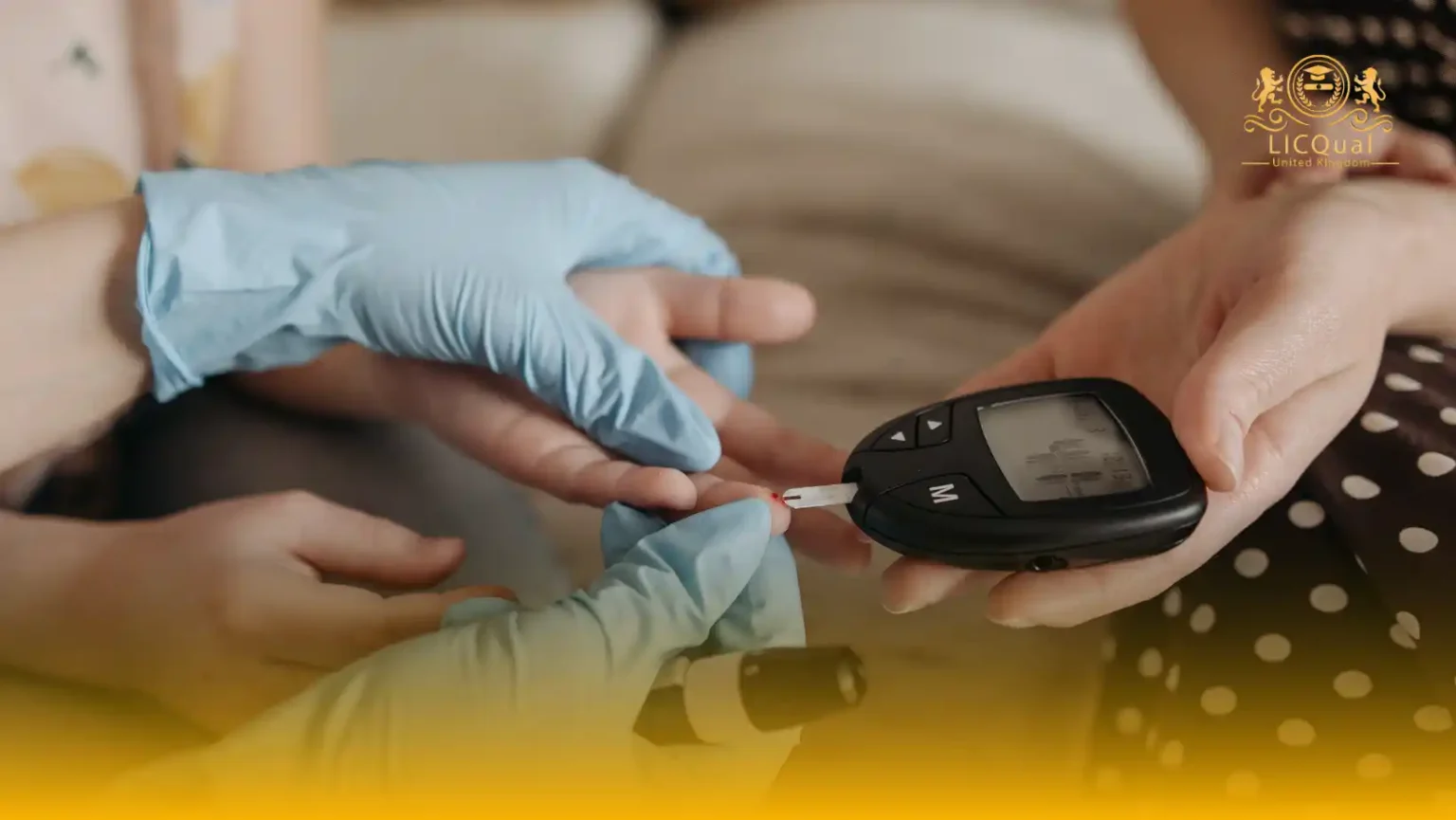
The LICQual Level 6 Diploma in Diabetes Management (Dip DM) is an internationally recognized qualification designed for healthcare professionals who want to specialize in the prevention, diagnosis, and management of diabetes. With diabetes now one of the fastest-growing global health challenges, this advanced diploma equips doctors, nurses, and medical practitioners with the knowledge and skills to deliver effective, evidence-based care.
This Level 6 diploma in diabetes management provides a comprehensive understanding of the condition, from the underlying causes and risk factors to advanced treatment strategies and patient-centered care. Learners gain practical insights into lifestyle interventions, pharmacological treatments, and long-term management approaches that improve patient outcomes. The program also emphasizes the importance of early detection, clinical assessment, and multidisciplinary teamwork in managing diabetes effectively.
One of the key strengths of the LICQual Diploma in Diabetes Management is its global recognition and accreditation. Structured to meet international healthcare standards, it is ideal for professionals in the UK, Middle East, Asia, and beyond who want to enhance their clinical expertise and career prospects. The flexible study format makes it accessible to busy practitioners, allowing you to balance professional responsibilities while advancing your qualifications.
By completing this accredited diabetes management diploma, you not only strengthen your clinical competence but also demonstrate credibility and commitment to improving patient care. Graduates often progress into advanced clinical roles, leadership positions in healthcare, or academic pathways in diabetes research and education.
If you are ready to advance your career with a diabetes management qualification, the LICQual Level 6 Diploma in Diabetes Management (Dip DM) offers the perfect opportunity. With its blend of academic rigor, practical application, and international recognition, this program opens doors to new opportunities in the growing field of diabetes care.
Course Overview
Qualification Title
LICQual Level 6 Diploma in Diabetes Management (Dip DM)
Total Units
6
Total Credits
120
GLH
480
Qualification #
LICQ2200913
Qualification Specification
To enroll in the LICQual Level 6 Diploma in Diabetes Management (Dip DM), applicants must meet the following criteria:
|
Qualification# |
Unit Title |
Credits |
GLH |
|---|---|---|---|
|
LICQ2200913-1 |
Advanced Physiology and Pathophysiology of Diabetes |
20 |
80 |
|
LICQ2200913-2 |
Diagnostic Methods and Clinical Assessment |
20 |
80 |
|
LICQ2200913-3 |
Evidence-Based Management of Diabetes |
20 |
80 |
|
LICQ2200913-4 |
Advanced Therapeutic Interventions |
20 |
80 |
|
LICQ2200913-5 |
Professional Practice, Ethics, and Clinical Governance |
20 |
80 |
|
LICQ2200913-6 |
Case Studies, Research, and Applied Practice |
20 |
80 |
By the end of this course, learners will be able to:
Unit 1: Advanced Physiology and Pathophysiology of Diabetes
- Demonstrate a comprehensive understanding of normal glucose metabolism and endocrine system function.
- Explain the pathophysiology of type 1, type 2, gestational, and secondary diabetes.
- Analyse the mechanisms of insulin resistance, beta-cell dysfunction, and associated complications.
- Evaluate the impact of metabolic syndrome and comorbidities on diabetes management.
Unit 2: Diagnostic Methods and Clinical Assessment
- Conduct thorough clinical assessments of patients with diabetes.
- Utilise diagnostic tools including blood tests, HbA1c, and continuous glucose monitoring.
- Identify risk factors and recognise early signs of diabetes-related complications.
- Interpret laboratory and clinical results to inform evidence-based treatment decisions.
Unit 3: Evidence-Based Management of Diabetes
- Develop personalised diabetes management plans integrating lifestyle, pharmacological, and technological interventions.
- Monitor and adjust insulin therapy and oral hypoglycaemic agents safely and effectively.
- Apply evidence-based guidelines to manage acute and chronic complications of diabetes.
- Demonstrate clinical decision-making aligned with national and international standards.
Unit 4: Advanced Therapeutic Interventions
- Demonstrate advanced insulin therapy techniques and optimised injection methods.
- Utilise continuous glucose monitoring systems and insulin pumps for effective patient management.
- Integrate technology to support diabetes self-management and patient adherence.
- Educate patients on lifestyle modification, self-care, and treatment adherence strategies.
Unit 5: Professional Practice, Ethics, and Clinical Governance
- Apply legal and ethical principles in the provision of diabetes care.
- Maintain professional standards, patient confidentiality, and high-quality care.
- Implement clinical governance procedures, record keeping, and audit practices.
- Engage in Continuing Professional Development (CPD) and evidence-based practice to enhance clinical competence.
Unit 6: Case Studies, Research, and Applied Practice
- Analyse complex diabetes case studies to enhance critical thinking and problem-solving skills.
- Critically evaluate research findings and emerging trends in diabetes management.
- Apply theoretical knowledge to practical clinical scenarios safely and effectively.
- Reflect on clinical practice and evaluate outcomes to improve patient care and professional competence.
The LICQual Level 6 Diploma in Diabetes Management (Dip DM) is designed for healthcare professionals who want to specialize in diabetes care and improve patient outcomes. This internationally recognized qualification is ideal for doctors, nurses, and practitioners seeking advanced knowledge in prevention, diagnosis, and treatment of diabetes. Whether you aim to progress in your current role, move into private practice, or strengthen your academic profile, this accredited diabetes management diploma provides the skills and credibility to achieve your career goals.
1. Medical Doctors and Physicians
- Gain advanced expertise in diabetes diagnosis and treatment
- Strengthen clinical decision-making with evidence-based approaches
- Enhance professional credibility with a Level 6 qualification
- Expand opportunities in hospitals, clinics, and private practice
- Stay updated with the latest diabetes management guidelines
- Build a foundation for postgraduate study or specialization
2. Nurses and Advanced Nurse Practitioners
- Develop specialized skills in diabetes care and patient education
- Improve confidence in managing complex diabetes cases
- Earn an accredited diabetes management diploma recognized globally
- Support multidisciplinary teams with advanced knowledge
- Increase career opportunities in diabetes clinics and hospitals
- Deliver better patient outcomes through structured training
3. Primary Care and Community Healthcare Professionals
- Identify and manage diabetes at an early stage
- Provide accurate referrals and improve patient pathways
- Strengthen practice with diabetes-focused clinical training
- Add value to community healthcare services with specialization
- Improve patient trust and satisfaction with advanced skills
- Enhance career progression in primary care settings
4. International Medical Graduates
- Obtain a qualification recognized in the UK, Middle East, and Asia
- Strengthen professional profiles for global healthcare careers
- Meet international accreditation and healthcare standards
- Gain credibility for advanced clinical roles abroad
- Access flexible online study while working internationally
- Build a competitive edge in global healthcare markets
5. Professionals Seeking Private Practice Opportunities
- Acquire specialized diabetes management skills for independent practice
- Increase patient demand with accredited qualifications
- Offer advanced diabetes care services in private clinics
- Build a reputation as a trusted diabetes practitioner
- Expand earning potential through specialized expertise
- Position yourself as a leader in diabetes care
6. Academic and Research Professionals
- Strengthen academic credentials with a Level 6 diploma
- Contribute to diabetes research and publications
- Gain structured knowledge aligned with global standards
- Support teaching roles in medical and healthcare education
- Enhance credibility in academic and professional networks
- Build a pathway toward higher-level qualifications and research
7. Career Changers within Healthcare
- Transition into diabetes management from other specialties
- Gain structured training to build new expertise
- Access flexible study options while maintaining current roles
- Earn a qualification that supports career mobility
- Open doors to new opportunities in diabetes care
- Build confidence in delivering patient-centered diabetes management
To deliver the LICQual Level 6 Diploma in Diabetes Management effectively and maintain high-quality training standards, centres must meet the following requirements:
- Qualified and Experienced Staff: Centres must employ highly competent and certified instructors with professional experience in diabetes care and clinical healthcare.
- Training Facilities: Centres should provide well-equipped classrooms and clinical practice spaces suitable for both theoretical instruction and practical demonstrations.
- Access to Clinical Equipment and Materials: Learners must have access to all necessary tools, equipment, and learning resources, including diagnostic devices, patient monitoring equipment, and reference materials.
- Health and Safety Compliance: Centres must comply with current health, safety, and hygiene regulations, ensuring a safe learning environment for learners and staff.
- Assessment and Learning Support: Centres must provide comprehensive learning materials, assessment tools, and guidance, enabling learners to achieve competence and complete the qualification successfully.
- Continuing Professional Development (CPD) Support: Centres should facilitate learners’ ongoing professional growth by offering CPD opportunities and supporting evidence-based practice.
- Quality Assurance and Monitoring: Centres must maintain robust quality assurance systems to monitor training delivery, learner progress, and overall programme effectiveness.
Meeting these centre requirements ensures that learners receive high-quality education, hands-on experience, and professional support, preparing them to excel in diabetes management and achieve recognised professional credentials.
Assessment and Verification
All units within this qualification are subject to internal assessment by the approved centre and external verification by LICQual. The qualification follows a criterion-referenced assessment approach, ensuring that learners meet all specified learning outcomes.
To achieve a ‘Pass’ in any unit, learners must provide valid, sufficient, and authentic evidence demonstrating their attainment of all learning outcomes and compliance with the prescribed assessment criteria. The Assessor is responsible for evaluating the evidence and determining whether the learner has successfully met the required standards.
Assessors must maintain a clear and comprehensive audit trail, documenting the basis for their assessment decisions to ensure transparency, consistency, and compliance with quality assurance requirements.