Maritime Accident Investigation
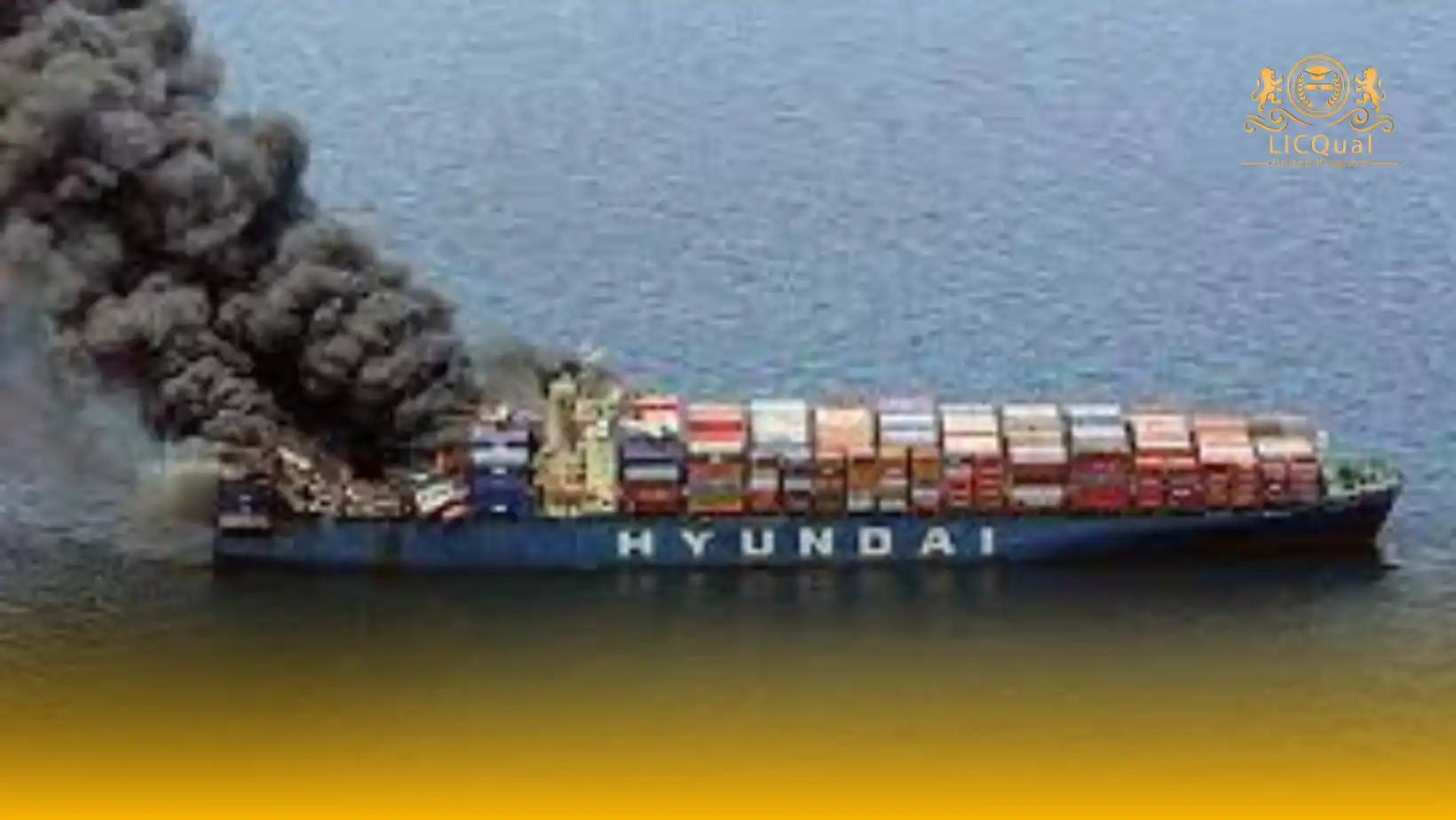
The LICQual Award in Maritime Accident Investigation is a professional course designed to equip learners with advanced knowledge and practical skills to investigate maritime accidents systematically and effectively. The course provides a structured framework for assessing accident causation, collecting evidence, conducting root cause analysis, and implementing corrective measures to enhance maritime safety.
Learners develop expertise in maritime regulations, hazard identification, data gathering, and professional report writing, ensuring that investigations are thorough, accurate, and compliant with international standards. Through a combination of theoretical learning and practical exercises, learners apply investigative techniques to real-world maritime scenarios, strengthening their analytical and decision-making capabilities.
The course also covers legal, ethical, and regulatory considerations, enabling learners to produce professional and actionable reports that support risk mitigation and operational improvements. On completion, the LICQual Award in Maritime Accident Investigation equips learners with the competence, confidence, and practical expertise required to lead investigations, improve maritime safety, and help prevent future incidents in complex marine environments.
Course Overview
Qualification Title
LICQual Award in Maritime Accident Investigation
Total Units
6
Total Credits
6
GLH
12
Qualification #
LICQ2200063
Qualification Specification
To enroll in the LICQual Award in Maritime Accident Investigation, applicants must meet the following criteria:
|
Qualification# |
Unit Title |
Credits |
GLH |
|---|---|---|---|
|
LICQ2200063-1 |
Introduction to Maritime Accident Investigation |
1 |
2 |
|
LICQ2200063-2 |
Maritime Accident Causation and Risk Assessment |
1 |
2 |
|
LICQ2200063-3 |
Data Collection and Evidence Gathering in Maritime Accident Investigations |
1 |
2 |
|
LICQ2200063-4 |
Investigative Methodologies and Root Cause Analysis |
1 |
2 |
|
LICQ2200063-5 |
Report Writing and Documentation of Findings |
1 |
2 |
|
LICQ2200063-6 |
Legal, Ethical, and Regulatory Considerations in Maritime Accident Investigations |
1 |
2 |
By the end of this course, learners will be able to:
1. Introduction to Maritime Accident Investigation
- Demonstrate an understanding of the core principles and processes involved in maritime accident investigations.
- Identify the roles and responsibilities of key stakeholders, including investigators, regulatory bodies, and maritime operators.
- Apply knowledge of international maritime conventions and regulations, such as SOLAS and ISM Code, in the context of accident investigations.
2. Maritime Accident Causation and Risk Assessment
- Analyze maritime accident causation theories, including human error, mechanical failure, and environmental influences.
- Conduct risk assessments specific to maritime operations, identifying hazards and developing strategies to mitigate risks.
- Evaluate the role of safety management systems (SMS) in preventing accidents and ensuring safety compliance within maritime industries.
3. Data Collection and Evidence Gathering in Maritime Accident Investigations
- Apply best practices for collecting, preserving, and documenting evidence at accident sites to maintain data integrity.
- Analyze and interpret critical evidence from various sources, such as voyage data recorders (VDR), ship’s logs, and maintenance records.
- Conduct interviews with witnesses, crew members, and stakeholders, gathering relevant information to support the investigation process.
4. Investigative Methodologies and Root Cause Analysis
- Utilize investigative methodologies like Root Cause Analysis (RCA), Fault Tree Analysis (FTA), and Fishbone Diagrams to identify primary and contributing causes of maritime accidents.
- Demonstrate the ability to investigate and evaluate the sequence of events leading to maritime incidents and propose corrective actions.
- Apply investigative techniques to analyze complex maritime accident scenarios, ensuring a thorough and comprehensive understanding of underlying causes.
5. Report Writing and Documentation of Findings
- Write clear, concise, and comprehensive investigation reports that effectively communicate findings, conclusions, and recommendations.
- Structure reports in a way that is accessible to different stakeholders, including regulatory bodies, industry professionals, and the public.
- Ensure reports are legally compliant and meet industry standards, incorporating technical details and recommendations for preventing similar incidents.
6. Legal, Ethical, and Regulatory Considerations in Maritime Accident Investigations
- Understand and apply legal frameworks governing maritime accident investigations, including international conventions and national regulations.
- Recognize the ethical responsibilities involved in conducting unbiased and transparent investigations while ensuring confidentiality and fairness.
- Navigate the regulatory environment and ensure compliance with maritime safety standards, protecting the interests of all parties involved in the investigation process.
This diploma is ideal for:
Assessment and Verification
All units within this qualification are subject to internal assessment by the approved centre and external verification by LICQual. The qualification follows a criterion-referenced assessment approach, ensuring that learners meet all specified learning outcomes.
To achieve a ‘Pass’ in any unit, learners must provide valid, sufficient, and authentic evidence demonstrating their attainment of all learning outcomes and compliance with the prescribed assessment criteria. The Assessor is responsible for evaluating the evidence and determining whether the learner has successfully met the required standards.
Assessors must maintain a clear and comprehensive audit trail, documenting the basis for their assessment decisions to ensure transparency, consistency, and compliance with quality assurance requirements.