
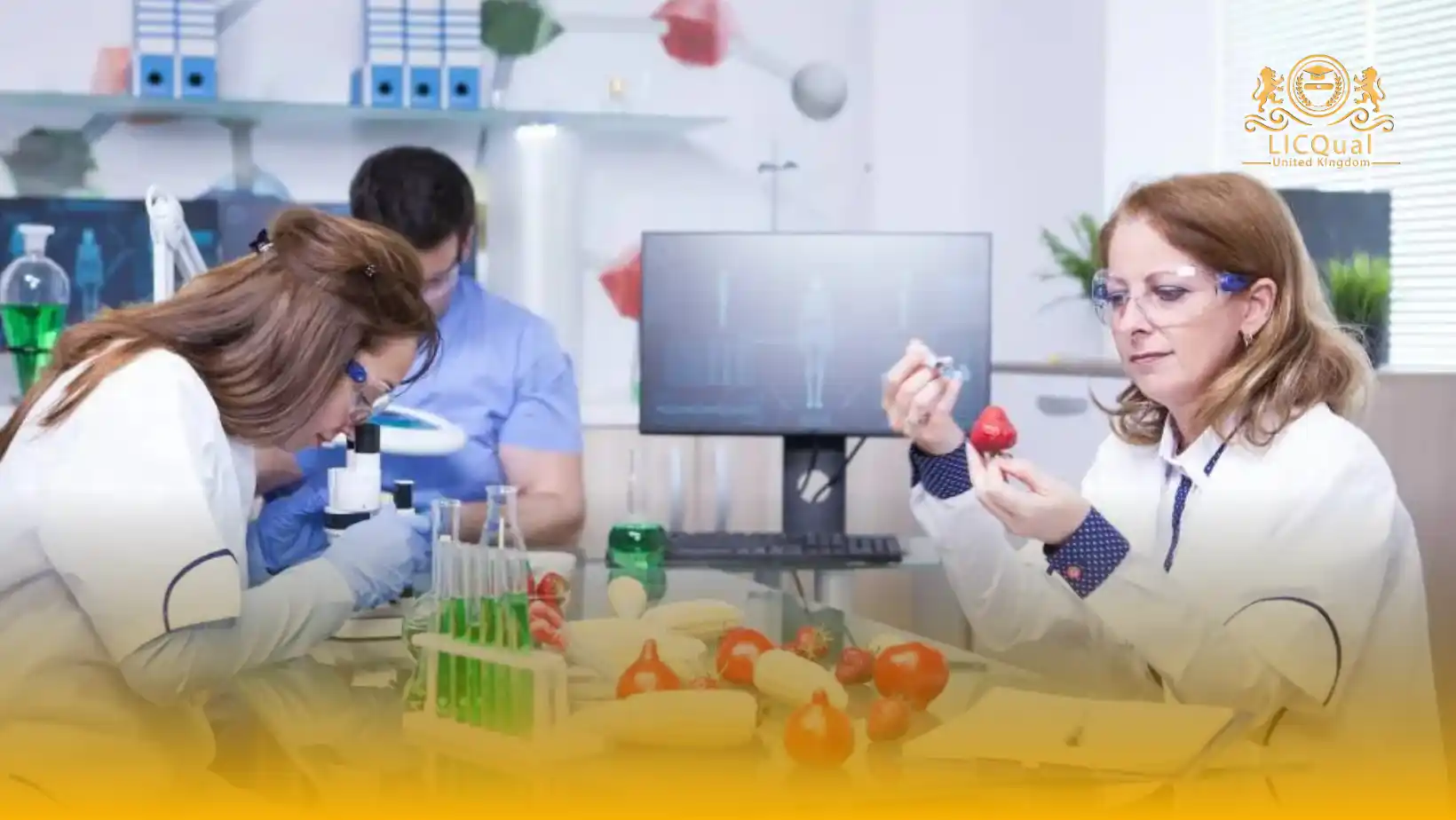
Foundation Certificate in Food Safety
The LICQual Level 2 Foundation Certificate in Food Safety equips learners with a comprehensive understanding of food safety and hygiene, providing the skills required to maintain safe and hygienic food handling environments. This globally recognized and accredited qualification ensures learners gain knowledge of industry standards and practices essential for preventing foodborne illnesses and promoting consumer safety.
Learners explore core principles of food safety, including identifying foodborne hazards, implementing safe food handling and storage procedures, maintaining cleanliness and sanitation, and understanding relevant food safety legislation. Through practical examples and structured learning, learners develop the confidence to apply food safety protocols consistently and comply with regulatory requirements.
The course covers hygiene, contamination prevention, temperature control, and the legal responsibilities of food handlers and employers. By completing the LICQual Level 2 Foundation Certificate in Food Safety, learners are fully prepared to uphold high food safety standards, implement best practices, and contribute to safer food environments in any professional setting.
Course Overview
Qualification Title
LICQual Level 2 Foundation Certificate in Food Safety
Total Units
6
Total Credits
18
GLH
72
Qualification #
LICQ2200078
Qualification Specification
To enroll in the LICQual Level 2 Foundation Certificate in Food Safety, applicants must meet the following criteria:
|
Qualification# |
Unit Title |
Credits |
GLH |
|---|---|---|---|
|
LICQ2200078-1 |
Food Safety and Hygiene Principles |
3 |
12 |
|
LICQ2200078-2 |
Food Safety Hazards and Controls |
3 |
12 |
|
LICQ2200078-3 |
Personal Hygiene and Health in the Food Workplace |
3 |
12 |
|
LICQ2200078-4 |
Food Storage and Temperature Control |
3 |
12 |
|
LICQ2200078-5 |
Cleaning and Sanitizing Procedures |
3 |
12 |
|
LICQ2200078-6 |
Legal Responsibilities and Compliance |
3 |
12 |
By the end of this course, learners will be able to:
1. Food Safety and Hygiene Principles
- Understand the importance of food safety and hygiene in preventing foodborne illnesses.
- Recognize different types of contamination (biological, chemical, physical) and their impact on food safety.
- Apply good food safety practices to maintain a hygienic working environment.
2. Food Safety Hazards and Controls
- Identify common food safety hazards, including microbiological, chemical, and physical risks.
- Implement control measures to minimize food safety risks during food preparation and handling.
- Understand the concept of Hazard Analysis and Critical Control Points (HACCP) in ensuring food safety.
3. Personal Hygiene and Health in the Food Workplace
- Recognize the importance of personal hygiene in preventing contamination.
- Demonstrate proper handwashing techniques and other hygiene practices in food handling.
- Understand the impact of employee health on food safety, and know when to exclude staff from food handling duties due to illness.
4. Food Storage and Temperature Control
- Understand the principles of safe food storage, including the correct use of refrigeration and freezing.
- Identify the critical temperatures required to prevent bacterial growth and ensure food safety.
- Demonstrate proper food storage methods to maintain quality and prevent contamination.
5. Cleaning and Sanitizing Procedures
- Understand the difference between cleaning and sanitizing and their roles in food safety.
- Apply appropriate cleaning and sanitizing procedures to maintain a safe and hygienic food preparation environment.
- Identify suitable cleaning agents and methods for different surfaces and food handling equipment.
6. Legal Responsibilities and Compliance
- Recognize the legal requirements related to food safety, including regulations on food handling, storage, and hygiene.
- Understand the responsibilities of food handlers and employers in ensuring compliance with food safety laws.
- Know the potential consequences of non-compliance with food safety regulations and the importance of maintaining legal standards in food practices.
This diploma is ideal for:
Assessment and Verification
All units within this qualification are subject to internal assessment by the approved centre and external verification by LICQual. The qualification follows a criterion-referenced assessment approach, ensuring that learners meet all specified learning outcomes.
To achieve a ‘Pass’ in any unit, learners must provide valid, sufficient, and authentic evidence demonstrating their attainment of all learning outcomes and compliance with the prescribed assessment criteria. The Assessor is responsible for evaluating the evidence and determining whether the learner has successfully met the required standards.
Assessors must maintain a clear and comprehensive audit trail, documenting the basis for their assessment decisions to ensure transparency, consistency, and compliance with quality assurance requirements.