
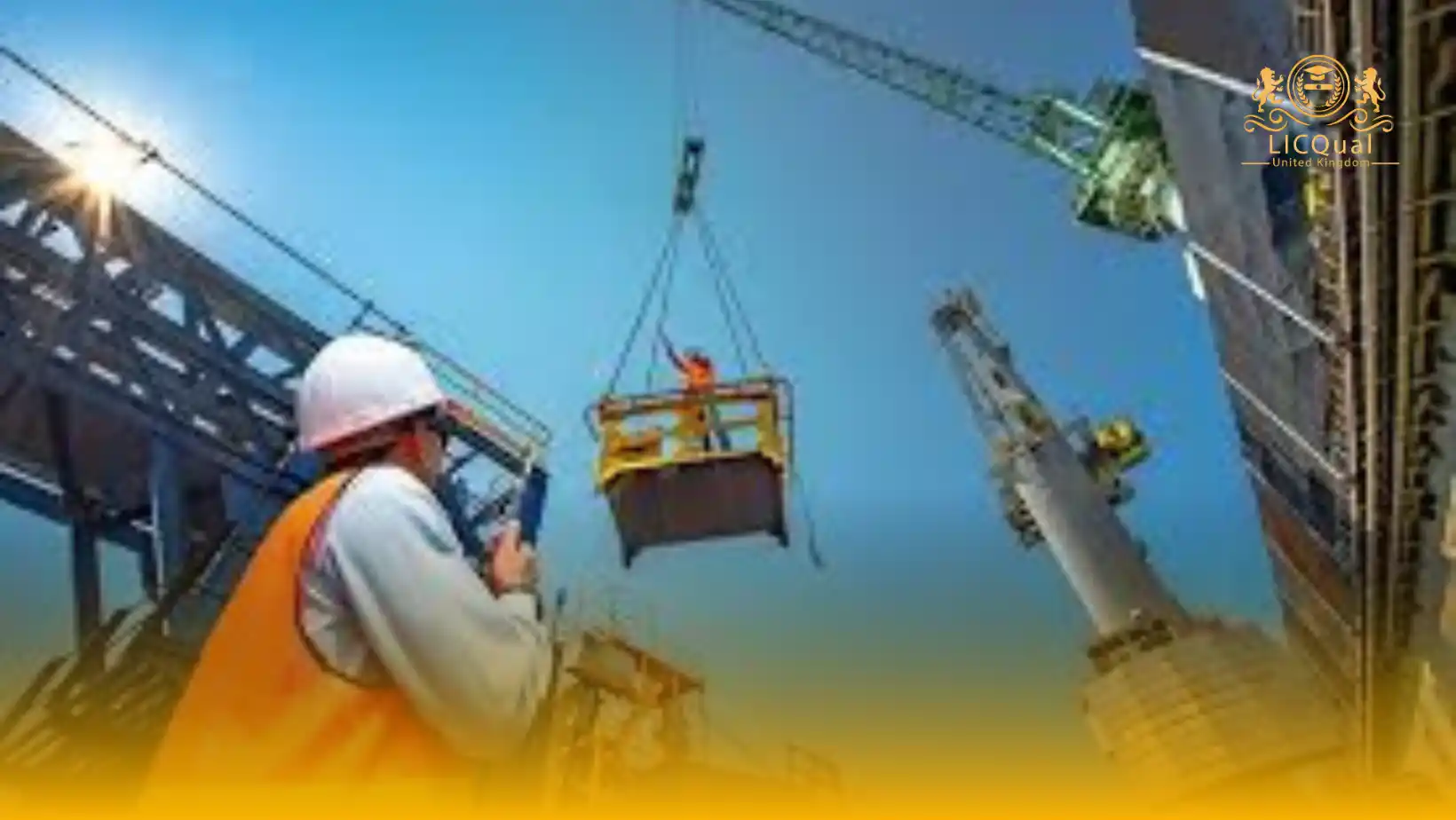
Management of Lifting Operations
The LICQual Level 3 Certificate in Management of Lifting Operations equips learners with the advanced knowledge and practical skills required to plan, supervise, and manage lifting operations safely across multiple industries. Learners gain expertise in developing safe systems of work, conducting risk assessments, and ensuring compliance with legal and industry standards.
This course guides learners through the selection, inspection, and management of lifting equipment, emphasizing the competence of operators and the importance of load stability. Learners also explore the identification and mitigation of potential hazards in lifting tasks, aligning practices with both national and international safety regulations.
In addition to technical proficiency, learners develop leadership, communication, and coordination skills essential for managing lifting operations effectively. By completing this qualification, learners establish a strong foundation in regulatory compliance, operational efficiency, and workplace safety, enabling them to oversee complex lifting activities confidently and contribute to a safer, well-managed work environment.
Course Overview
Qualification Title
LICQual Level 3 Certificate in Management of Lifting Operations
Total Units
6
Total Credits
24
GLH
120
Qualification #
LICQ2200071
Qualification Specification
To enroll in the LICQual Level 3 Certificate in Management of Lifting Operations, applicants must meet the following criteria:
|
Qualification# |
Unit Title |
Credits |
GLH |
|---|---|---|---|
|
LICQ2200071-1 |
Introduction to Lifting Operations Management |
4 |
20 |
|
LICQ2200071-2 |
Legal and Regulatory Compliance |
4 |
20 |
|
LICQ2200071-3 |
Risk Assessment and Control Measures |
4 |
20 |
|
LICQ2200071-4 |
Planning and Execution of Lifting Operations |
4 |
20 |
|
LICQ2200071-5 |
Communication and Team Management during Lifting Operations |
4 |
20 |
|
LICQ2200071-6 |
Health and Safety in Lifting Operations |
4 |
20 |
By the end of this course, learners will be able to:
Introduction to Lifting Operations Management
- Understand the fundamental principles and responsibilities of managing lifting operations in various industries.
- Identify the key components involved in the safe and efficient management of lifting tasks.
- Demonstrate knowledge of different types of lifting equipment and their appropriate applications.
- Recognize the importance of proper planning, risk management, and coordination in lifting operations.
Legal and Regulatory Compliance
- Understand the legal and regulatory frameworks that govern lifting operations.
- Explain the key laws, standards, and industry regulations related to lifting equipment and operations.
- Ensure lifting operations are compliant with national and international safety regulations.
- Identify the roles and responsibilities of employers, employees, and supervisors in maintaining compliance.
Risk Assessment and Control Measures
- Conduct thorough risk assessments to identify hazards associated with lifting operations.
- Develop and implement control measures to minimize risks and ensure safety during lifting activities.
- Evaluate potential risks related to equipment, personnel, and environment, and apply effective solutions.
- Understand the importance of continuous monitoring and reassessment of risks during operations.
Planning and Execution of Lifting Operations
- Develop comprehensive plans for lifting operations, including selecting appropriate equipment and personnel.
- Demonstrate the ability to assess the site, plan for contingencies, and identify potential obstacles to safe lifting operations.
- Coordinate and oversee the safe execution of lifting operations, ensuring efficient use of resources.
- Ensure that all operational plans comply with safety standards and meet operational objectives.
Communication and Team Management during Lifting Operations
- Understand the importance of clear communication in managing lifting operations.
- Develop skills for effective communication among team members, supervisors, and stakeholders during operations.
- Demonstrate leadership and team management skills to ensure a coordinated and safe lifting operation.
- Resolve conflicts and ensure the team works together to maintain safety and efficiency throughout the lifting process.
Health and Safety in Lifting Operations
- Identify potential health and safety risks associated with lifting operations and implement preventive measures.
- Understand the significance of personal protective equipment (PPE) and safety protocols in lifting operations.
- Promote a culture of health and safety within the team, ensuring that all personnel are trained and adhere to safety standards.
- Monitor ongoing safety throughout lifting operations and take corrective action when necessary to maintain a safe work environment.
This diploma is ideal for:
Assessment and Verification
All units within this qualification are subject to internal assessment by the approved centre and external verification by LICQual. The qualification follows a criterion-referenced assessment approach, ensuring that learners meet all specified learning outcomes.
To achieve a ‘Pass’ in any unit, learners must provide valid, sufficient, and authentic evidence demonstrating their attainment of all learning outcomes and compliance with the prescribed assessment criteria. The Assessor is responsible for evaluating the evidence and determining whether the learner has successfully met the required standards.
Assessors must maintain a clear and comprehensive audit trail, documenting the basis for their assessment decisions to ensure transparency, consistency, and compliance with quality assurance requirements.