
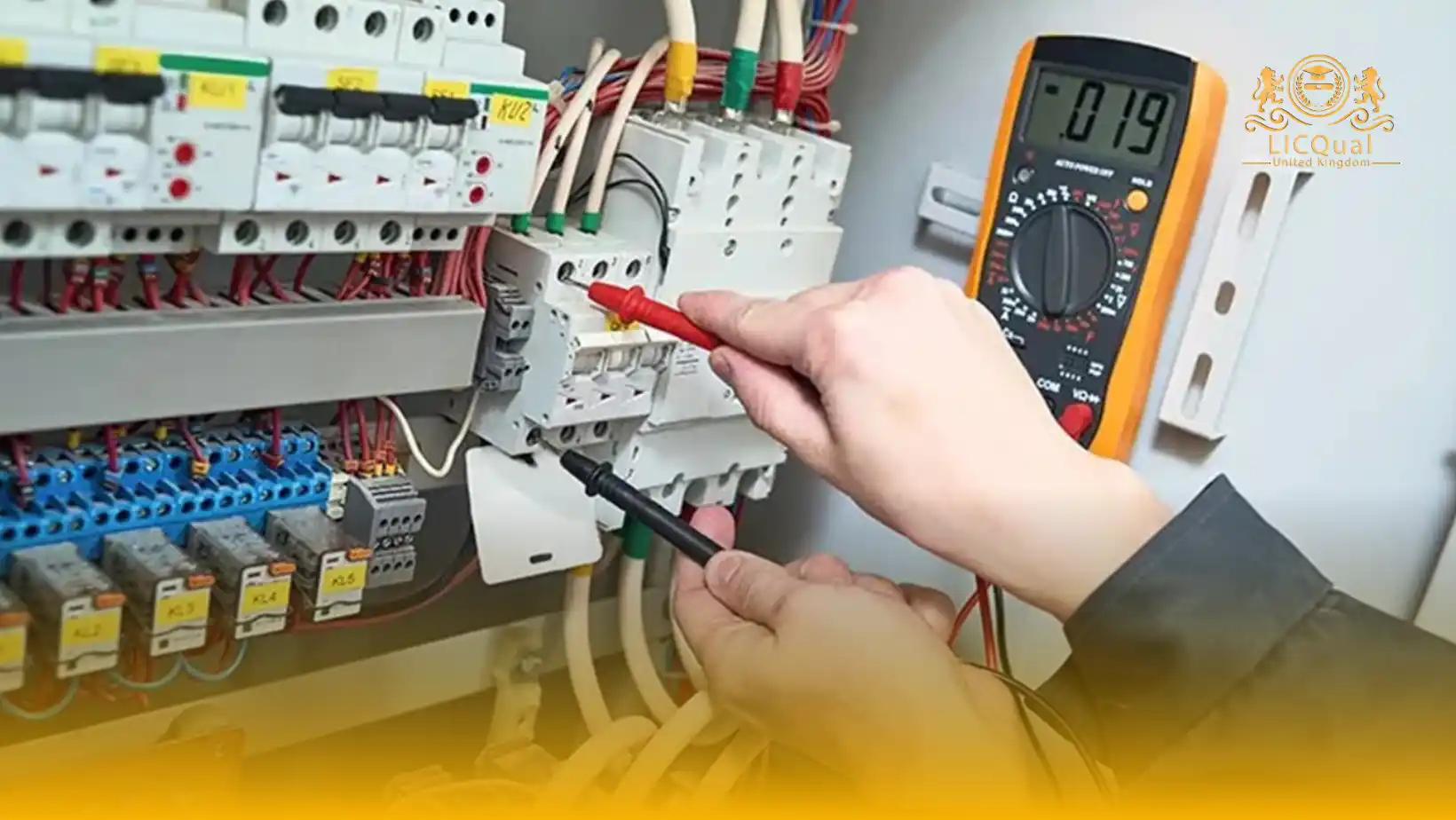
Electrical Quality Control and Quality Assurance
The LICQual Level 6 Diploma in Electrical Quality Control and Quality Assurance (QC/QA) is a professional qualification designed for experienced individuals who want to develop advanced expertise in electrical quality management, compliance, and inspection practices. As industries continue to demand higher standards of safety, reliability, and regulatory compliance, organisations require skilled professionals who can lead quality initiatives and ensure that electrical systems and installations meet industry requirements.
This diploma provides in-depth knowledge of quality assurance principles, quality control procedures, auditing techniques, inspection management, risk assessment, and continuous improvement strategies within electrical engineering environments. Learners will gain the skills needed to monitor quality performance, manage inspection processes, implement effective quality systems, and support compliance across complex projects.
Through a combination of quality management principles and electrical engineering practices, learners will develop the ability to oversee quality processes, evaluate inspection outcomes, manage compliance requirements, and contribute to the successful delivery of electrical installations and infrastructure projects. The qualification supports the development of advanced competencies required in quality-driven engineering environments.
Course Overview
Qualification Title
LICQual level 6 Diploma in Electrical Quality Control and Quality Assurance QC/QA
Total Units
6
Total Credits
120
GLH
480
Qualification #
LICQ2200139
Qualification Specification
To enroll in the LICQual Level 6 Diploma in Electrical Quality Control and Quality Assurance (QC/QA), applicants must meet the following criteria:
|
Qualification# |
Unit Title |
Credits |
GLH |
|---|---|---|---|
|
LICQ2200139-1 |
Advanced Quality Management Systems in Electrical Engineering |
20 |
80 |
|
LICQ2200139-2 |
International Standards and Regulatory Compliance for Electrical Systems |
20 |
80 |
|
LICQ2200139-3 |
Electrical Testing, Inspection, and Performance Evaluation |
20 |
80 |
|
LICQ2200139-4 |
Risk Management and Safety in Electrical Quality Control |
20 |
80 |
|
LICQ2200139-5 |
Root Cause Analysis (RCA) and Corrective Actions in Electrical Systems |
20 |
80 |
|
LICQ2200139-6 |
Performance Monitoring and Continuous Improvement in Electrical Systems |
20 |
80 |
By the end of the course, learners will be able to:
Advanced Quality Management Systems in Electrical Engineering
- Understand the principles and components of advanced quality management systems (QMS) in electrical engineering.
- Evaluate the role of quality management systems in ensuring compliance with industry standards and regulations.
- Design and implement quality control measures within electrical engineering projects to enhance performance and reliability.
- Assess the effectiveness of various QMS frameworks (e.g., ISO 9001) in the electrical engineering context.
- Apply tools and techniques to monitor and improve quality standards in electrical systems and processes.
International Standards and Regulatory Compliance for Electrical Systems
- Understand the international standards governing electrical systems (e.g., IEC, ISO) and their global implications.
- Analyze the regulatory requirements for electrical systems across different regions and industries.
- Demonstrate knowledge of the compliance process for electrical systems with relevant national and international standards.
- Evaluate the impact of non-compliance on safety, performance, and operational efficiency.
- Apply regulatory guidelines to ensure electrical systems are compliant with safety, environmental, and technical standards.
Electrical Testing, Inspection, and Performance Evaluation
- Understand the key principles of electrical testing and inspection methods for electrical systems and components.
- Apply various testing methods (e.g., functional, performance, and diagnostic testing) to evaluate electrical systems.
- Analyze test results and assess the performance of electrical systems based on international standards.
- Implement appropriate inspection techniques to ensure safety, quality, and reliability in electrical systems.
- Identify performance issues in electrical systems through systematic testing and propose solutions for improvement.
Risk Management and Safety in Electrical Quality Control
- Understand the principles of risk management in electrical systems, including hazard identification and risk assessment.
- Analyze potential safety risks in electrical systems and recommend effective risk mitigation strategies.
- Apply risk management frameworks (e.g., FMEA, Fault Tree Analysis) to evaluate safety and quality in electrical engineering projects.
- Evaluate the effectiveness of safety protocols and standards in managing electrical system risks.
- Implement safety measures to reduce risks and improve safety outcomes in electrical quality control processes.
Root Cause Analysis (RCA) and Corrective Actions in Electrical Systems
- Understand the concept and methodology of Root Cause Analysis (RCA) in electrical systems.
- Apply various RCA techniques (e.g., Fishbone Diagram, 5 Whys) to identify the underlying causes of electrical system failures or inefficiencies.
- Evaluate the impact of identified root causes on system performance and safety.
- Design corrective actions based on RCA findings to address electrical system issues and prevent recurrence.
- Monitor the implementation of corrective actions to ensure continuous improvement in electrical systems.
Performance Monitoring and Continuous Improvement in Electrical Systems
- Understand the principles of performance monitoring and continuous improvement in electrical systems.
- Apply performance metrics and indicators to assess the efficiency and effectiveness of electrical systems.
- Evaluate the use of monitoring tools and techniques (e.g., SCADA, data logging) to track system performance.
- Design strategies for continuous improvement to optimize the performance of electrical systems.
- Assess the impact of continuous improvement initiatives on system reliability, efficiency, and sustainability.
This diploma is ideal for:
- Experienced Electrical QA/QC Professionals seeking to advance into senior quality management and leadership roles.
- Quality Engineers who want to strengthen their expertise in quality assurance systems, audits, and compliance management.
- Lead Electrical Inspectors responsible for overseeing inspection activities and ensuring adherence to project specifications.
- Quality Systems Coordinators looking to develop advanced skills in implementing and managing quality management systems.
- Electrical Supervisors and Team Leaders seeking to enhance their ability to manage quality performance across projects.
- Project Engineers involved in quality planning, risk management, and continuous improvement initiatives.
- Electrical Engineering Professionals aiming to transition into quality-focused leadership positions.
- Technical Managers responsible for maintaining quality standards, regulatory compliance, and operational excellence.
- Professionals working in construction, manufacturing, utilities, oil and gas, renewable energy, and infrastructure sectors where electrical quality management is critical.
- Individuals seeking a recognised qualification to support career progression into roles such as QA Manager, Quality Engineer, Lead Electrical Inspector, or Quality Assurance Coordinator.
Whether you are looking to strengthen your leadership capabilities, manage complex quality systems, or progress into senior quality assurance and quality control positions, this diploma provides the advanced knowledge and practical skills required to succeed in today’s quality-driven electrical engineering industry.
Assessment and Verification
All units within this qualification are subject to internal assessment by the approved centre and external verification by LICQual. The qualification follows a criterion-referenced assessment approach, ensuring that learners meet all specified learning outcomes.
To achieve a ‘Pass’ in any unit, learners must provide valid, sufficient, and authentic evidence demonstrating their attainment of all learning outcomes and compliance with the prescribed assessment criteria. The Assessor is responsible for evaluating the evidence and determining whether the learner has successfully met the required standards.
Assessors must maintain a clear and comprehensive audit trail, documenting the basis for their assessment decisions to ensure transparency, consistency, and compliance with quality assurance requirements.